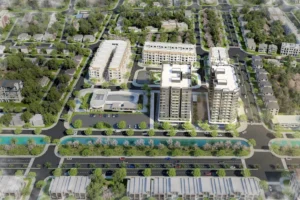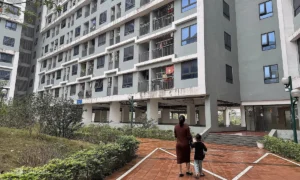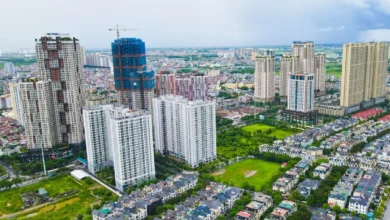
The plight of many homeowners who borrowed money to buy houses at projects developed by Muong Thanh Group

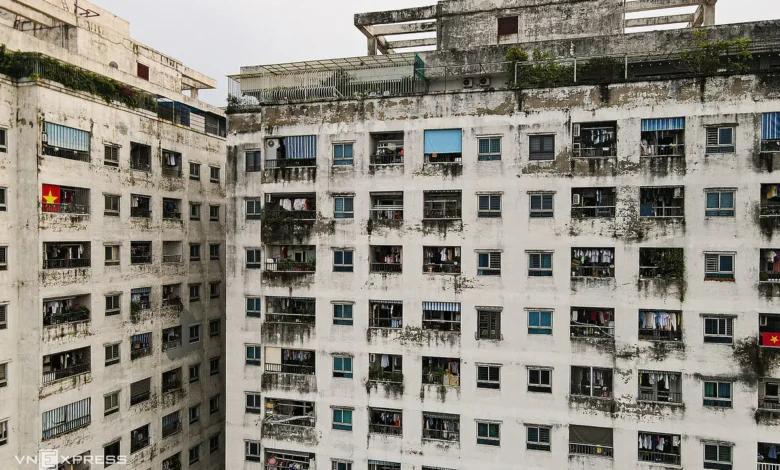
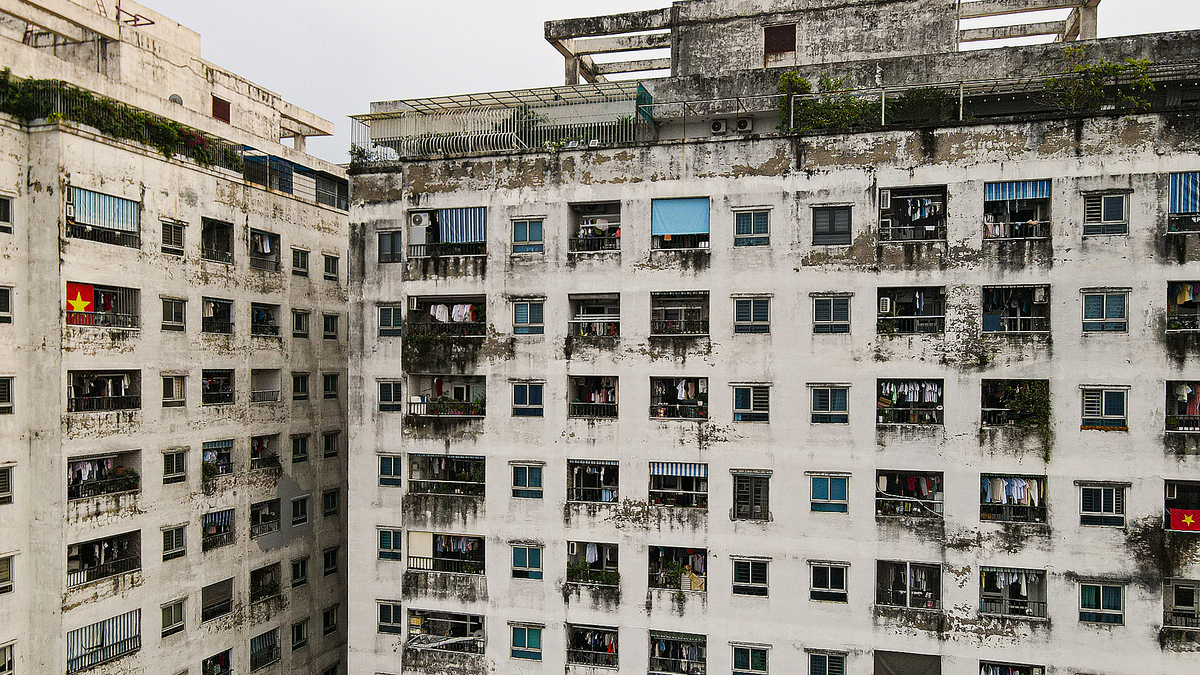
The controversy surrounding the illegal construction and subsequent regulatory crackdown on residential projects developed by the Muong Thanh Group has reached a critical juncture in Hanoi. Thousands of residents, many of whom are low-to-middle-income earners who leveraged bank loans to secure their homes, now face the dual nightmare of potential displacement and lingering, long-term debt. As municipal authorities move toward resolving violations at 12 major projects, the financial stability of these families hangs in a delicate balance.
A Decade of Uncertainty: The HH Linh Dam Case Study
For Ms. Thu Hien, a 42-year-old resident of Hanoi, the dream of homeownership has transformed into a decade-long struggle. In 2015, she and her husband purchased a 67-square-meter apartment in the HH3B building within the expansive HH Linh Dam complex for approximately 1.1 billion VND. With 350 million VND in savings, the family financed the remainder through a specialized credit package for low-income housing, committing to a 15-year repayment plan at an initial interest rate of 5%.
At the time, the project was highly sought after, and the government’s support for affordable housing instilled a sense of security in buyers. However, nearly 11 years later, the family is still paying off their debt. Last year, the couple invested an additional 100 million VND into home renovations, only to be met with news that their building is slated for corrective action due to widespread planning violations.
"This house represents over a decade of our combined savings," Ms. Hien explains. "If we are forced to relocate, the financial pressure will be immense. We still owe 250 million VND in principal, and we would face the dual burden of finding a new place to live while continuing to service a mortgage for a property that may no longer exist."
A Growing Crisis for Recent Buyers
The distress is not limited to long-term residents. Younger buyers who entered the market more recently, often at significantly higher price points, are facing even more precarious situations. Ms. Nguyen Thao, a 32-year-old office worker, purchased a 40-square-meter unit in the CT8B building at the Dai Thanh urban area late last year for 2.6 billion VND.
Ms. Thao financed 60% of the purchase price through a 30-year bank loan. Following the initial promotional period, her interest rate spiked to 13% annually, pushing her monthly principal and interest payments beyond 21 million VND. With living expenses and childcare costs, the family’s financial cushion has all but vanished. The recent notification that her building is under investigation for demolition has left her in a state of professional and personal paralysis.
Chronology of the Muong Thanh Regulatory Crackdown
The issues surrounding Muong Thanh Group projects date back several years, characterized by a pattern of "build first, permit later" tactics.
- 2014–2016: The peak of Muong Thanh’s expansion in Hanoi. Thousands of units were sold across multiple high-density complexes, including HH Linh Dam and Dai Thanh.
- 2017–2019: Regulatory audits revealed significant departures from approved blueprints, including the conversion of commercial floors into residential units and the violation of fire safety standards.
- 2020–2023: Legal proceedings were initiated against leadership figures within the group, and authorities began mapping out "remediation plans" for 12 specific projects.
- 2026 (Present): Municipal authorities have intensified their efforts to finalize a legal framework for handling these violations, prioritizing the rights of residents while addressing the structural and fire safety concerns.
Financial and Legal Implications: The Triple Threat
Legal experts highlight that the complexity of this situation arises from the intersection of three distinct parties: the municipal government, the residents, and the lending institutions.
Lawyer Pham Thanh Tuan notes that, from a strictly legal perspective, banks retain the right to demand repayment from borrowers according to the original credit contract, regardless of the physical status of the collateral. "The destruction of an apartment does not automatically terminate the borrower’s obligation to the bank," Tuan explains. "This creates a vacuum where a resident could potentially lose their home and their initial investment, while still being liable for the remainder of a 30-year loan."
The core concern is that if the government proceeds with demolition without a clear, compensatory framework, residents will be left with the "worst-case scenario"—the loss of their primary asset without the means to settle their existing bank debts or procure new housing.
Policy Recommendations and Expert Analysis
Economic experts and property analysts have proposed several measures to mitigate the damage to thousands of households. Mr. Pham Duc Toan, General Director of EZ Property, emphasizes that the compensation process must account for the timing of the purchase.
"The market value of these units has fluctuated significantly over the last decade," says Toan. "If compensation is based solely on the original contract price or a blanket average, it will fail to reflect the true financial impact on families who bought during the 2024–2025 price surges. We need a transparent, case-by-case assessment of legal ownership, structural safety, and actual expenses incurred by the residents."
Furthermore, experts suggest a "credit transfer" mechanism. Economist Dinh Trong Thinh has suggested that the State Bank of Vietnam should issue guidance allowing banks to maintain existing loan terms for these residents, even if the collateral changes. Under this proposal, if a resident is moved to a new unit, the mortgage would effectively "transfer" to that new property without requiring a full re-application process or a new credit assessment, which many residents—already under financial duress—would likely fail.
The Way Forward: Protecting the Vulnerable
To navigate this crisis, authorities are being urged to adopt a tripartite cooperation model. This would involve the developer, the lending banks, and the municipal government working together to define:
- Clear compensation benchmarks that prevent further financial loss for homeowners.
- Simplified debt restructuring for those forced to relocate, potentially involving extended repayment periods or interest rate subsidies for a set period.
- Legal safeguards that ensure no homeowner is evicted until a viable, secure alternative housing arrangement is confirmed.
For individuals currently holding these mortgages, legal advisors recommend immediate action. Homeowners should consolidate their documentation, including original sales contracts, proof of payment, handover reports, and credit agreements. Establishing a paper trail of ownership and financial obligations is the first step in ensuring that when the government eventually implements its final remediation plan, these families have the legal standing to demand fair and comprehensive support.
The situation remains fluid. As the Hanoi authorities prepare to announce the final administrative steps for the 12 Muong Thanh projects, the primary challenge will be balancing the rule of law—which requires correcting urban planning failures—with the social imperative to protect the thousands of citizens whose only "crime" was investing in a home that, at the time of purchase, appeared to be a legitimate, state-approved residential development.