Ninh Binh Provincial Inspection Committee Expels Four Power Sector Officials and Disciplines Social Security Manager Amid Corruption Crackdown

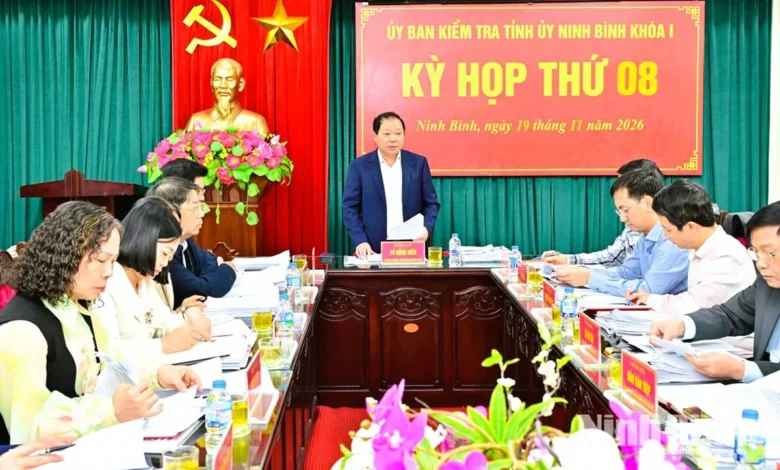
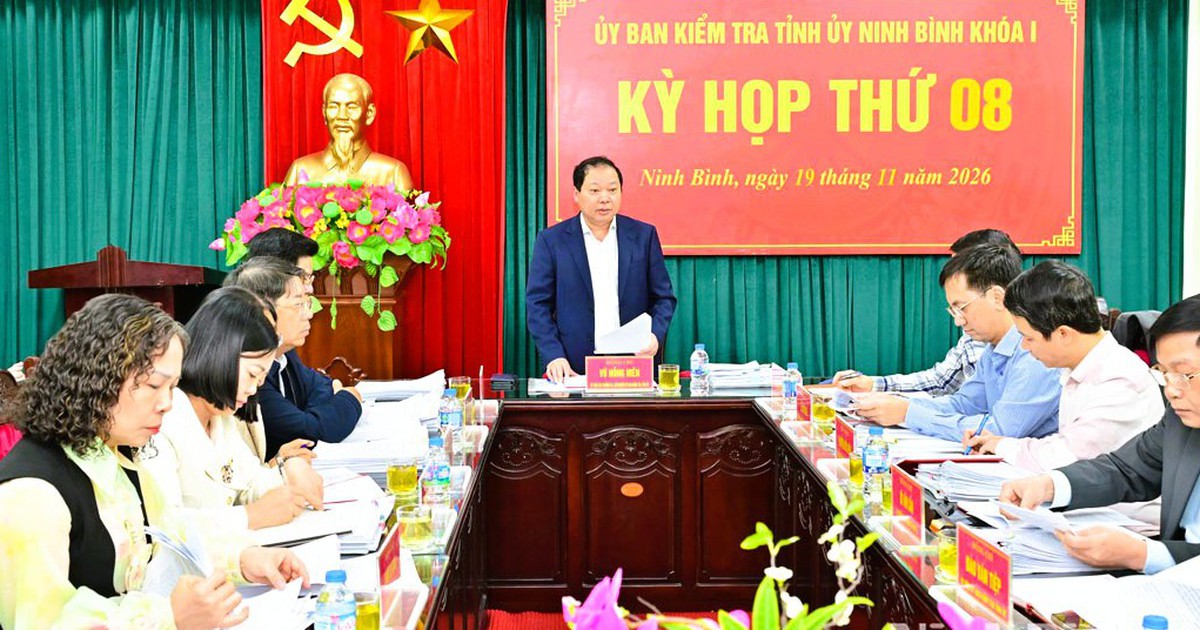
In a decisive move underscoring the ongoing nationwide campaign against corruption and official misconduct, the Provincial Inspection Committee of Ninh Binh has formally announced strict disciplinary measures against several high-ranking local officials. During its eighth session, convened under the leadership of Vu Hong Hien, Member of the Provincial Party Standing Committee and Chairman of the Inspection Committee, authorities reviewed multiple cases of severe ethical and regulatory breaches. The most consequential outcome of the meeting was the decision to expel four former officials and party members associated with the Ninh Binh Power Company Party Organization from the Communist Party of Vietnam. Additionally, the committee issued a formal reprimand to a veteran social security administrator, further highlighting the sweeping nature of the local anti-graft initiatives.
The disciplinary actions reflect an intensifying scrutiny of state-owned enterprises and public institutions, where systemic oversight failures and abuse of power have increasingly drawn the attention of anti-corruption watchdogs. By utilizing the ultimate internal sanction of party expulsion, the Ninh Binh Provincial Party Committee has signaled that individuals who compromise public trust or violate financial and administrative regulations will face profound professional and political consequences.
Core Violations and Expulsion of Power Sector Officials
The central focus of the Inspection Committee’s recent deliberations centered on severe irregularities within the electricity sector. The committee examined the conduct of four key individuals who previously held critical leadership and financial roles within the power infrastructure framework of the region, specifically linked to the Party Organization of the Ninh Binh Power Company and related regional entities.
The individuals expelled from the Communist Party of Vietnam are:
- Luu Lan Anh, former Chief Accountant of the Ha Nam Power Company.
- Tran Ba Hiep, former Head of the Planning and Materials Department at the Ha Nam Power Company.
- Truong Van Liem, former Deputy Head of the Planning and Materials Department at the Ha Nam Power Company.
- Kim Van Tuyen, former Head of the Project Management Board at the Ha Nam Power Company.
According to the comprehensive findings released by the provincial inspection body, these four party members exhibited a profound degradation of political ideology, morality, and lifestyle. The investigation concluded that they systematically flouted party regulations and state laws while executing their assigned official duties. Crucially, their infractions directly violated statutory guidelines designed to prevent corruption, financial waste, and administrative malfeasance.
The committee’s report emphasized that the actions of these officials constituted a severe breach of the regulations governing what party members are strictly prohibited from doing, alongside failures to uphold exemplary leadership standards. The resulting fallout from their actions has been officially classified as having caused "very serious consequences," heavily damaging the institutional reputation and credibility of both the local party organization and the operational units where they were employed.
Given the gravity, nature, extent, and underlying causes of the violations, the Inspection Committee determined that retention within party ranks was untenable, prompting the immediate expulsion order. Furthermore, the committee reached a unanimous consensus to submit formal dossiers to the Standing Committee of the Provincial Party Committee, seeking supplementary administrative and disciplinary sanctions for another party member connected to the Ninh Binh Power Company, ensuring that accountability is applied uniformly across all implicated personnel.
Disciplinary Action in the Social Security Sector
Beyond the turbulence within the provincial power sector, the Inspection Committee also addressed governance issues within local welfare administration. The panel evaluated the compliance record of Nguyen Luong Ba, who currently serves as the former Deputy Director of the Ninh Binh Social Insurance agency.
The investigation scrutinized Mr. Ba’s historical tenure serving as Deputy Secretary of the Party Committee and Deputy Director of the Social Insurance agency in neighboring Nam Dinh province. During that period, according to the inspection findings, he committed notable violations and shortcomings while directing and executing professional responsibilities.
While these infractions did not rise to the level of systemic corruption observed in the power sector cases, they nonetheless represented a failure of professional governance and supervisory duty. Weighing the specific context, degree, and impact of these administrative lapses, the Ninh Binh Provincial Inspection Committee resolved to administer a formal reprimand (khiển trách) against Mr. Ba. This measure serves as both a disciplinary censure and a formal administrative warning regarding the standards expected of senior welfare and insurance administrators.
Broader Governance Reviews and Asset Verification Initiatives
The eighth session of the Inspection Committee was not solely confined to punitive measures against named individuals; it also encompassed broad supervisory reviews aimed at systemic institutional health. As part of its routine oversight mandate, the committee examined the verified asset and income declarations of 38 mid-level and senior officials under the direct management of the Provincial Party Standing Committee. These officials operate across 15 distinct local administrative units, government agencies, and public enterprises.
Asset and income verification campaigns have become a cornerstone of Vietnam’s institutional transparency framework, designed to detect unexplained wealth, prevent conflicts of interest, and ensure that public servants maintain financial integrity. While specific individual findings from the 38 audited declarations were handled through internal administrative channels, the expansive scope of the audit illustrates the proactive posture of regional oversight bodies.
In addition to financial transparency checks, the committee evaluated the outcomes of monitoring programs directed at 13 grassroots party organizations, including the Standing Committees of various commune and ward party committees. These evaluations focused specifically on adherence to internal working regulations and the practical implementation of the two-tier local administrative governance model.
For the minor shortcomings, administrative gaps, and operational bottlenecks identified during these monitoring exercises, the Provincial Inspection Committee issued clear directives. All implicated collective bodies and individual leaders have been instructed to conduct serious self-evaluations, formulate concrete corrective action plans, and submit formal compliance reports in strict accordance with established regulatory timelines.
Background Context and Anti-Corruption Imperatives
The recent disciplinary announcements in Ninh Binh must be viewed within the broader sociopolitical context of Vietnam’s national anti-corruption drive, widely referred to as the "Blazing Furnace" (Đốt Lò) campaign. Spearheaded by the central leadership and operationalized through local inspection committees across all 63 provinces, this initiative aims to eradicate systemic graft, institutional inefficiency, and moral degradation among public officials.
The energy sector, in particular, has experienced heightened regulatory scrutiny nationwide. Given the immense capital expenditure, extensive supply chains, and critical infrastructure responsibilities managed by state-owned power companies, transparency in procurement, financial auditing, and project management is paramount. Instances of mismanagement or corruption within regional power entities not only drain public resources but also undermine public confidence in essential public utility services.
Similarly, agencies responsible for social security and welfare administration—such as provincial social insurance offices—manage vast pools of public funds dedicated to healthcare, pensions, and social safety nets. Ensuring uncompromising integrity among the leadership of these institutions is vital to safeguarding the interests of citizens and maintaining the stability of the social welfare infrastructure.

Implications and Future Outlook
The decisive actions taken by the Ninh Binh Provincial Inspection Committee send a clear message to the regional bureaucracy: accountability is non-negotiable, and supervisory bodies will continue to pursue administrative and political infractions regardless of an official’s past standing or institutional affiliation.
By simultaneously addressing severe criminal-adjacent corruption in the power sector and operational laxity in social insurance administration, the provincial authorities have demonstrated a comprehensive approach to governance reform. The expulsions and reprimands announced following the eighth session reinforce the principle that public office is a public trust, and any deviation from ethical and legal boundaries will be met with swift, transparent institutional correction.
As local agencies move to implement the required corrective plans and administrative adjustments stemming from these audits, the provincial leadership remains under pressure to sustain high standards of internal governance. The ongoing monitoring of grassroots organizations and the rigorous enforcement of asset declaration rules will remain vital tools in preventing future institutional decay across Ninh Binh’s public sector.