Ho Chi Minh City Achieves Landmark Progress in Critical Infrastructure Compensation and Land Clearance for 2026

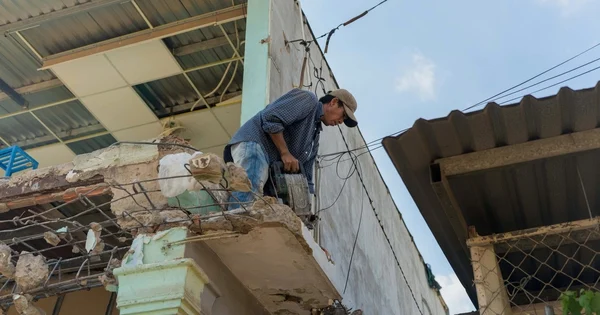
The year 2026 marks a historic turning point for urban development in Ho Chi Minh City as the municipal government records unprecedented breakthroughs in land compensation and site clearance, effectively clearing the primary bottlenecks that have long delayed the city’s most critical infrastructure projects. According to the latest reports from the Department of Natural Resources and Environment (DONRE), the city has successfully disbursed 61,848 billion VND out of a total allocated budget of 64,348 billion VND for compensation, support, and resettlement programs across 141 key projects. This achievement represents a staggering 96% completion rate, with authorities projecting an increase to 99.5% by the end of the year—a figure that stands as the highest performance in the city’s modern administrative history.
The Anatomy of a Breakthrough
Behind these record-breaking figures lies a transformation in administrative philosophy and operational execution. For years, the city’s major public works were stalled by legal disputes, valuation discrepancies, and the complex logistical challenges of relocating residents. The recent success is attributed to a coordinated, day-and-night effort by local officials, ward-level authorities, and a high level of community cooperation.
By the end of November 2026, the cumulative disbursement for public investment across all sectors in Ho Chi Minh City reached 118,278 billion VND, or 80.1% of the annual target. However, the specific success in land compensation—nearing the 99.5% milestone—highlights the shift in how the city manages the friction between private property rights and public utility expansion. This progress is not merely a statistical success; it represents the unlocking of major arteries that will fundamentally alter the traffic landscape of Vietnam’s southern economic hub.
Case Study: The Luong Dinh Cua Expansion
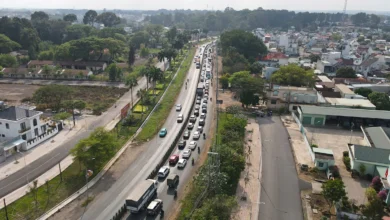
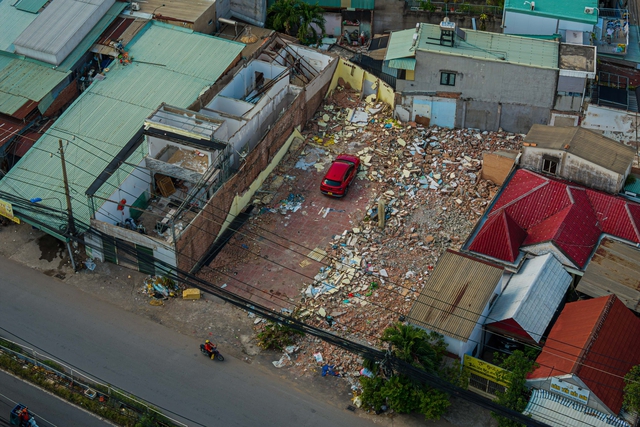
The expansion of Luong Dinh Cua Road in District 2 (now part of Thu Duc City) serves as a microcosm for the broader city-wide success. First inaugurated in April 2015, the project faced a prolonged hiatus starting in late 2020 due to the lack of available land, leaving approximately 22,012 square meters of the roadbed unfinished.
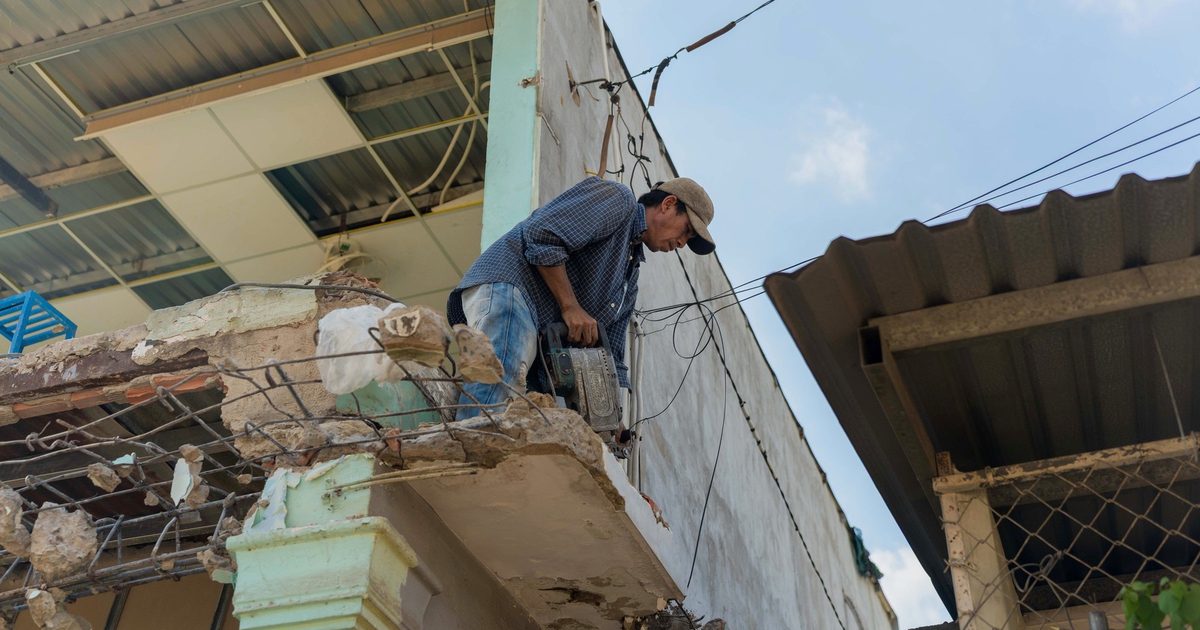
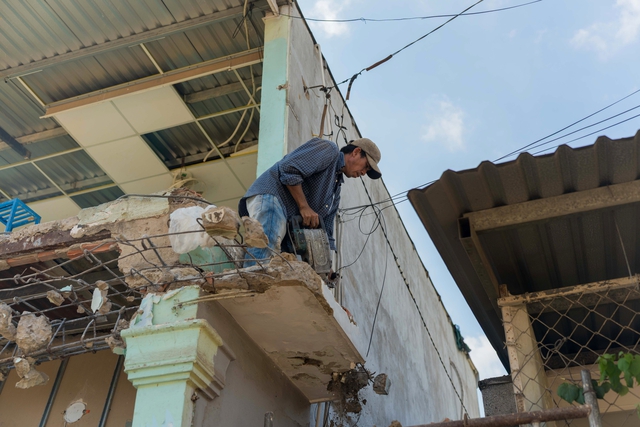
The project is a vital puzzle piece in the An Phu intersection network, serving as a critical gateway connecting the city center with the Ho Chi Minh City – Long Thanh – Dau Giay expressway. For decades, residents in Binh Trung Ward suffered from chronic traffic congestion and severe flooding during the rainy season. Today, the visible progress of residents dismantling their properties to hand over land to the government marks the end of years of uncertainty.
Local resident Le Van Tru, a 72-year-old who has lived in the area for 60 years, expressed a sentiment shared by many neighbors. With a family of 12, his household reached a consensus on the compensation package of 96 million VND per square meter without significant conflict. "Having the funds to renovate our remaining property and raise the floor level to prevent flooding is a relief," Tru remarked. Similarly, Le Thi Tham, 73, who has resided in the area since she was six, views the handover not just as a civic duty, but as a long-awaited solution to the perpetual cycle of knee-deep floodwaters that entered her home every monsoon season.
Chronology of the Policy Shift
The resolution of the Luong Dinh Cua project did not happen by chance. It followed a significant policy pivot in April 2026, when the Ho Chi Minh City People’s Committee issued a decree to adjust the land acquisition area for the An Phu Urban Development Project. By officially separating the Luong Dinh Cua expansion from the broader, stagnant An Phu urban project, the city removed a massive legal hurdle.
This separation allowed local authorities to take ownership of the compensation process. The Binh Trung Ward People’s Committee, under the guidance of Vice Chairman Vu Quoc Truong, implemented a strategy centered on transparency and direct dialogue. By conducting exhaustive reviews of land origins and ensuring that compensation policies were communicated clearly, the ward managed to settle 67 cases involving 22,012 square meters of land, with a total compensation value of 1,663 billion VND.
Administrative Strategies for Success
The success of 2026 has been defined by three key administrative pillars:
- Public Dialogue as a Priority: Rather than relying solely on formal notices, local officials prioritized face-to-face meetings with affected families. The ward leadership and the Vietnam Fatherland Front worked in tandem to address individual grievances, ensuring that each family understood their rights and the benefits of the project.
- Streamlining Authority: By delegating the authority to resolve land-use documentation and resettlement plans to the ward and district levels, the city reduced the time spent waiting for central government approvals. This "decentralized" approach allowed for faster responses to local disputes.
- Proactive Problem-Solving: For cases that exceeded local authority, the city established a rapid reporting mechanism that ensured higher-level agencies provided guidance within days, rather than months.
Broader Economic and Urban Implications
The successful clearance of these sites is expected to have a multiplier effect on the city’s economy. The completion of the Luong Dinh Cua expansion is only one component of a broader strategy to connect the city with key national infrastructure, including the Ho Chi Minh City – Moc Bai, Ho Chi Minh City – Thu Dau Mot – Chon Thanh, and the Ring Road 3 and 4 projects.
For the city’s planning department, the ability to meet the 99.5% disbursement target by the end of 2026 is a critical indicator of maturity in project management. The remaining 328 billion VND in budget is currently being audited to ensure it is allocated toward final administrative measures and transition costs, preventing any leftover funds from stalling final construction phases.
A New Standard for Future Infrastructure
The recognition of 13 wards and communes—including Binh Trung Ward—by the Chairman of the Ho Chi Minh City People’s Committee with certificates of merit for their outstanding performance in the third quarter of 2026 underscores the importance the city now places on land clearance speed.
Looking ahead, the model developed in 2026 serves as a blueprint for future infrastructure projects. By shifting the focus from "top-down enforcement" to "community-centered negotiation," Ho Chi Minh City has demonstrated that residents are willing to cooperate when the process is transparent, fair, and directly addresses their long-term quality of life.
The implications are clear: the city is moving beyond the era of stalled projects. By resolving the legal and social gridlocks that characterized the early 2020s, Ho Chi Minh City is finally clearing the path for a more connected, resilient, and modernized urban future. The successful conclusion of these projects in the final months of 2026 will likely serve as a benchmark for all major municipal developments in the coming decade, proving that effective governance is the most valuable infrastructure of all.