Không phải Thái Lan, một đối thủ của sầu riêng Việt Nam gặp khó chồng khó: Số cây ra hoa giảm 60%, vụ thu hoạch đứng trước nguy cơ chậm trễ

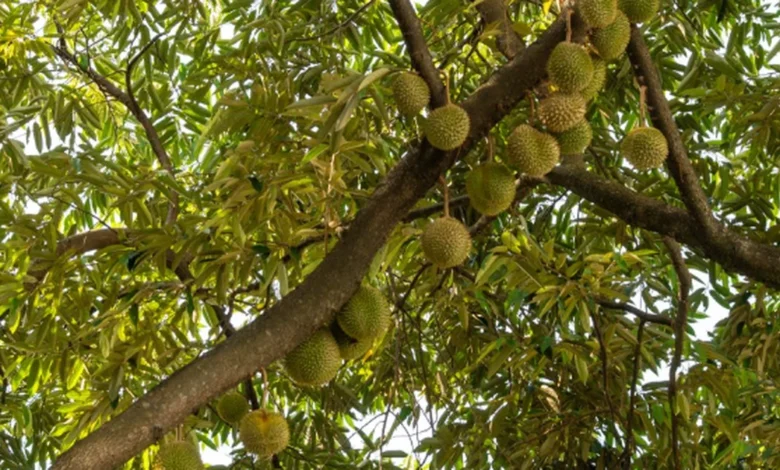
The Malaysian durian sector, a critical pillar of the nation’s agricultural export economy, is currently grappling with a compounding crisis of severe drought conditions and hazardous air pollution. These environmental stressors have disrupted the critical flowering cycle of durian trees, forcing farmers to anticipate significant delays in their harvest schedules. While initial projections targeted late January for peak harvesting, industry experts and local growers now suggest that the harvest may be pushed back to late February or even early March, casting a shadow over the country’s export targets for the coming year.
The Impact of Climate Extremes on Durian Phenology
Durian trees are highly sensitive to climatic fluctuations, particularly during the critical transition from the vegetative stage to the reproductive, flowering stage. In optimal conditions, a brief period of moisture stress is often beneficial as it acts as a physiological trigger for the trees to initiate flowering. However, the current meteorological reality in Malaysia has far exceeded this beneficial threshold.
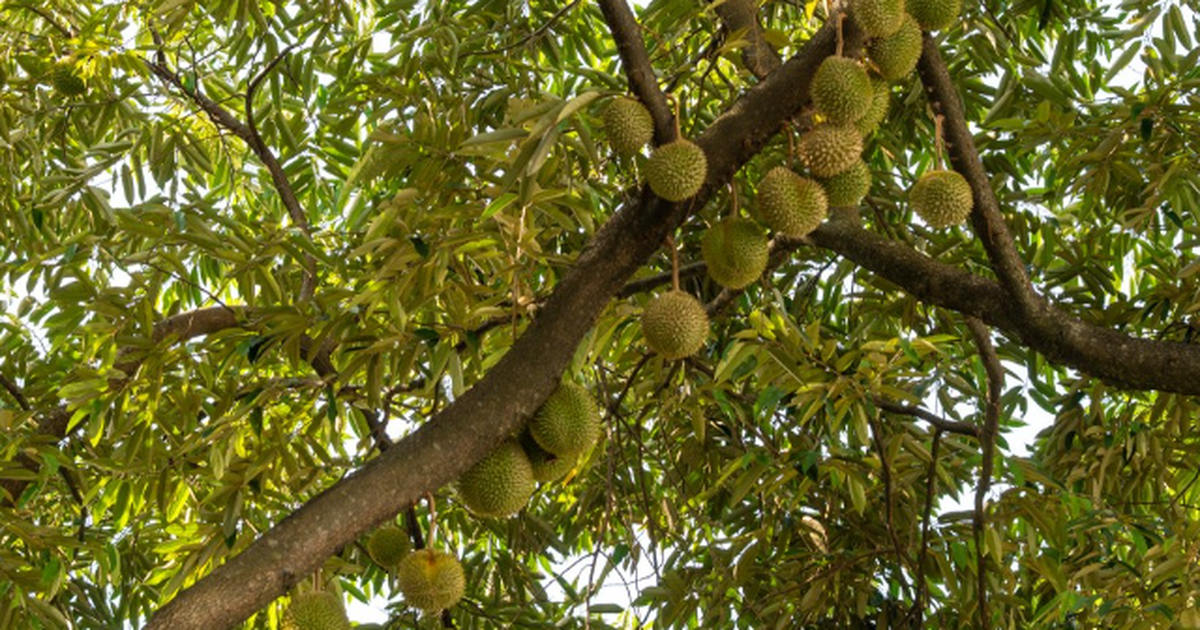
Prolonged periods of intense, dry heat coupled with high ambient temperatures have placed the trees under significant physiological stress. This "heat stress" has effectively stalled the flowering process, leading many growers to describe the state of their orchards as being in a condition of forced dormancy. Local producers, including prominent orchard owners like Chen Fuming, have reported that while some trees showed initial signs of budding as early as August, the subsequent lack of rainfall and the prevalence of heavy haze have prevented these buds from developing into full flowers.
According to anecdotal evidence from farmers in the affected regions, the number of trees successfully flowering this season has plummeted by approximately 60% compared to the mid-year harvest cycles observed in June and July. This decline is not merely a localized issue; it reflects a broader vulnerability within the industry as climate change continues to manifest in increasingly unpredictable weather patterns across Southeast Asia.
Haze and Its Multi-Sectoral Consequences
The persistent haze, a recurring environmental challenge in the region, has exacerbated the difficulties faced by the agricultural sector. While durian orchards are currently the most publicized casualties, the negative effects extend to other high-value crops, including rubber plantations and banana farms.
Beyond the physiological damage to the flora, the haze presents a severe humanitarian concern for the agricultural workforce. Laborers working in these plantation regions are reporting acute physical distress, including eye irritation, respiratory discomfort, and other health complications. As the air quality index (AQI) remains at elevated, unhealthy levels, the operational efficiency of these farms has diminished. Employers are forced to balance the urgent need for orchard maintenance with the ethical and safety requirements of their workforce, further complicating the logistical timeline of the harvest.
Market Dynamics and the China Factor
The timing of this delay is particularly sensitive given the current structure of the global durian market. China has become the primary destination for Southeast Asian durians, with imports experiencing exponential growth over the past decade. In 2025 alone, China imported approximately 1.87 million tons of fresh durian, valued at nearly 7.5 billion USD. This represents a six-fold increase in import volume over the last ten years, underscoring the insatiable demand from Chinese consumers.
Thailand has historically held the dominant share of this market, leveraging its established trade infrastructure to supply more than half of China’s total durian import value. Malaysia, conversely, is a relatively newer entrant to the formal fresh durian export market to China, having received official clearance only in 2024. Despite its late entry, Malaysia’s "Musang King" and other premium varieties have seen rapid uptake. Data from the first half of 2026 shows that the value of fresh durian imports from Malaysia to China has surged fourfold compared to the same period in 2025, signaling that Malaysia is rapidly becoming an indispensable supplier.
The potential for a harvest delay creates a significant supply chain vulnerability. With the peak Chinese demand periods often tied to seasonal festivities, a shift in harvest timing could result in missed market opportunities or price volatility. If the supply is delayed until March, it may clash with other regional harvests, potentially saturating the market and impacting the premium pricing that Malaysian durian typically commands.
Unique Cultivation Challenges: The "Natural Drop" Method
A distinctive feature of the Malaysian durian industry is the reliance on the "natural drop" method. Unlike some competitors who harvest the fruit while it is still firm—often utilizing chemical ripening agents or mechanical harvesting—many Malaysian farmers prefer to allow the fruit to ripen fully on the tree. The fruit is collected only after it naturally detaches from the branch and falls to the ground, where it is secured by protective netting or specialized rigging systems.
While this method is widely credited with producing a superior flavor profile and texture, it imposes severe logistical constraints. Once the durian falls, its shelf life is extremely limited, often restricted to a window of just two to three days. This necessitates a highly efficient "farm-to-market" pipeline. Any disruption at the farm level, such as a delayed or staggered flowering cycle, cascades through the entire supply chain, making it difficult to maintain the consistent volume required by international retail partners.
Implications for the Future of the Industry
The current situation serves as a stark reminder of the risks associated with monoculture and climate dependency. Agricultural economists point out that for Malaysia to sustain its growth trajectory in the durian sector, it must invest in climate-resilient farming techniques. This may include:
- Precision Irrigation Systems: Implementing advanced water management systems to mitigate the impact of prolonged dry spells.
- Climate-Resilient Cultivars: Research and development into hybrid varieties that are more tolerant of heat stress and extreme air quality fluctuations.
- Diversified Logistics: Developing improved post-harvest processing, such as blast freezing, to extend the shelf life of the fruit, thereby reducing the dependency on the "natural drop" timeline.
As the industry looks toward the next harvest, the focus remains on the meteorological forecasts for the coming months. If the drought persists, the sector may need to manage expectations regarding export volumes. Government agencies and industry bodies are currently monitoring the situation, but the reliance on natural weather patterns means that producers have limited agency in the short term.
The broader implication for the global market is a potential tightening of supply. With China’s appetite for durian showing no signs of cooling, any reduction in the output of a major producer like Malaysia is likely to exert upward pressure on prices. For consumers, this could translate to higher retail costs; for farmers, it represents a high-stakes environment where the margin for error is shrinking.
In conclusion, the Malaysian durian industry is at a critical juncture. The combination of environmental adversity and shifting international trade dynamics requires a strategic pivot toward more controlled and resilient agricultural practices. While the immediate concern is the delay of the upcoming harvest, the long-term challenge will be ensuring that the "King of Fruits" remains a reliable and profitable export amidst a changing global climate. Industry stakeholders will be watching the next few weeks closely, hoping for the rainfall necessary to revive the orchards and stabilize the production cycle before the potential for further, more severe damage becomes irreversible.
Related posts: