Da Nang Seeks to Forge Strategic Partnerships with Australia to Drive Technology Investment and Human Resource Development

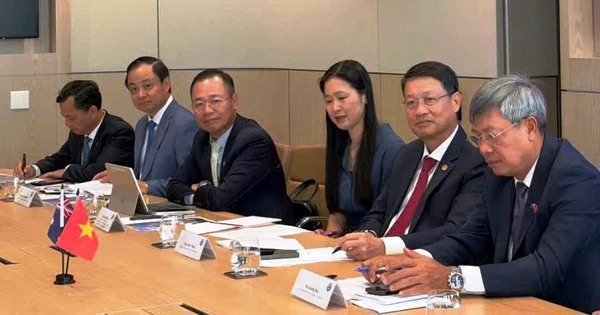
A high-level delegation from Da Nang, led by Deputy Secretary of the City Party Committee Ngo Xuan Thang, concluded a series of high-impact engagements in Sydney, Australia, on November 2, aimed at positioning the Vietnamese coastal hub as a premier destination for international technology capital, research collaboration, and workforce upskilling. The visit marks a critical juncture in the city’s economic evolution, as it transitions from a traditional tourism-driven model toward a high-tech, innovation-centric economy.
The delegation engaged with key stakeholders from the New South Wales (NSW) government, leading academic institutions, research organizations, and private enterprises. The mission was designed to bridge the gap between Vietnamese development priorities and Australian expertise in artificial intelligence (AI), semiconductor design, green technology, and urban management.
Strategic Context and Economic Evolution of Da Nang
Da Nang’s recent strategic shift follows its formal administrative merger with the neighboring province of Quang Nam, a move that has expanded the city’s industrial footprint and streamlined regional infrastructure planning. With the establishment of the Da Nang Free Trade Zone and the vision to transform the city into an international financial hub, the local administration is aggressively seeking foreign direct investment (FDI) that aligns with the nation’s "Industry 4.0" objectives.
Historically known as a transit point for tourism and logistics, Da Nang is now pivoting toward high-value sectors. The current administration has prioritized the development of the semiconductor industry, AI integration, and the establishment of a robust digital data infrastructure. By partnering with Australian entities—a nation recognized for its sophisticated research and development (R&D) ecosystem—Da Nang aims to leapfrog traditional manufacturing stages to integrate directly into the global high-tech supply chain.
Chronology of the Sydney Delegation Visit
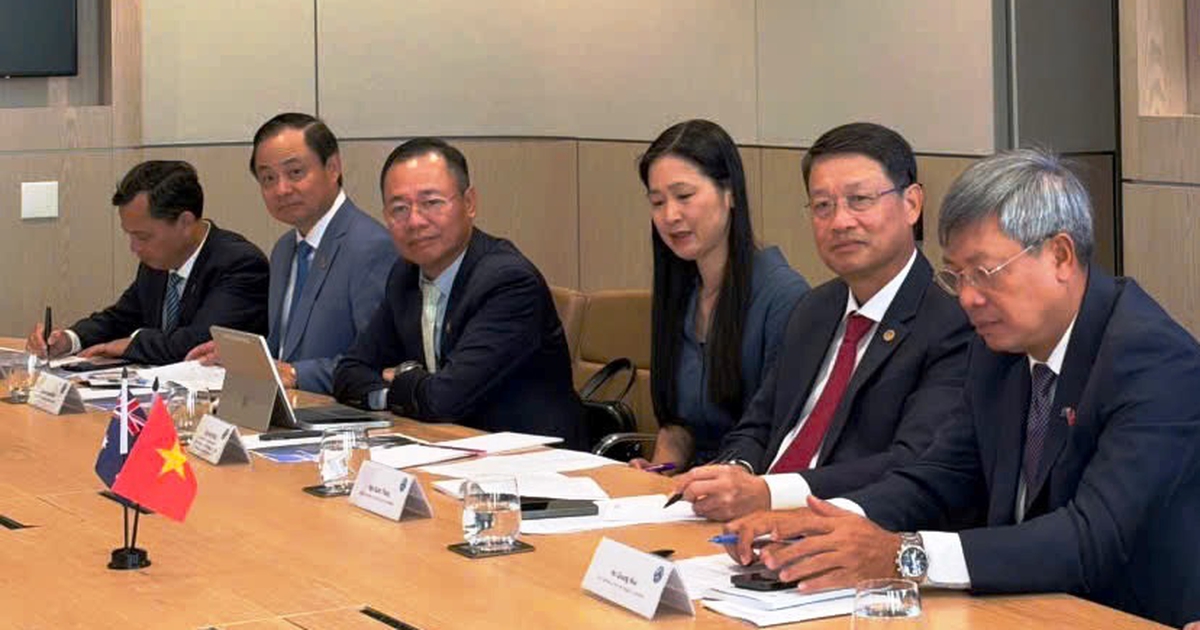
The delegation’s itinerary in Sydney was characterized by a rapid succession of bilateral meetings and technical workshops.
- November 2, Morning: The "Da Nang: A Destination for Connection and Cooperation with Australia" forum was held, drawing approximately 50 representatives from the private sector, academia, and government agencies. The session focused on technology transfer and human capital development.
- November 2, Afternoon: The delegation held high-level discussions with Investment NSW, the primary government agency responsible for facilitating international business and investment in the state. This session focused on actionable cooperation frameworks, particularly in water management, waste disposal, and smart city applications.
- Bilateral Working Sessions: Throughout the visit, members of the delegation held technical meetings with the University of Technology Sydney (UTS) to discuss curriculum development for AI and specialized tech sectors.
The Role of AI and Advanced Technology in Urban Management
A significant portion of the dialogue centered on the practical application of Artificial Intelligence and Unmanned Aerial Vehicles (UAVs). During the forums, Dr. Alana Piper, Deputy Dean of External Relations and Cooperation at the University of Technology Sydney, emphasized the efficacy of the "triple-helix" model—a collaboration between government, academia, and industry—in transforming theoretical knowledge into real-world solutions.
The discussions highlighted several specific areas where Australian technology could be integrated into Da Nang’s municipal infrastructure:
- Environmental Monitoring: Utilizing UAVs equipped with AI to monitor river basin health and manage the Vu Gia-Thu Bon river system, which is crucial for flood prevention and water resource management.
- Disaster Response: The deployment of AI-integrated drones for search and rescue operations during extreme weather events.
- Smart City Infrastructure: Implementing advanced data analytics to improve urban mobility, manage waste, and optimize energy consumption.
- Financial Technology (FinTech): Developing international payment solutions for tourists and local businesses, supporting the city’s aspiration to serve as an international financial center.
Official Responses and Strategic Pillars
Deputy Secretary Ngo Xuan Thang articulated three primary pillars for the city’s ongoing cooperation strategy with Australian partners. First, the development of a strategic technology infrastructure, including the creation of a robust ecosystem for innovation. Second, the facilitation of investment flows and the systematic transfer of technology and expertise through personnel exchanges. Third, a commitment to "green" growth, including energy efficiency and the circular economy.
"We are not merely seeking capital," Mr. Thang stated during the concluding forum. "We are seeking a partnership that involves the transfer of knowledge, the training of our workforce to meet global standards, and the integration of sustainable technologies into our city’s future."
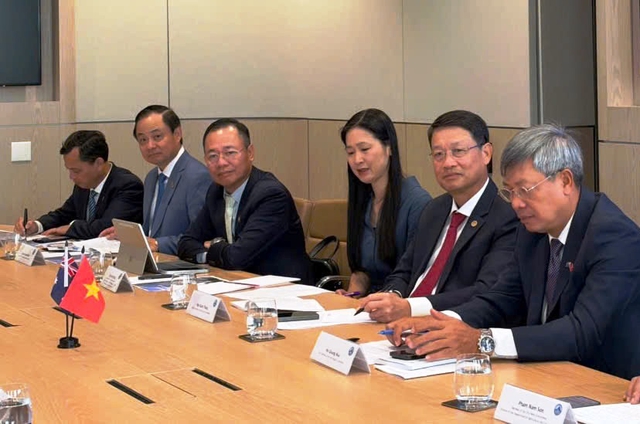
Rebecca McPhee, Deputy Secretary for Investment NSW, reinforced the importance of this relationship, noting that the state’s strategy for 2035 specifically identifies Vietnam as a priority market. "The alignment between Da Nang’s development goals and the expertise available in New South Wales creates a natural synergy," McPhee noted. "We view Da Nang as a pivotal gateway for Australian businesses looking to enter the Southeast Asian tech market."
Implications and Future Outlook
The visit underscores a broader trend in Vietnam’s economic policy: a move toward specialized, high-tech industrialization. By targeting specific sectors—namely semiconductors, big data, and green energy—Da Nang is attempting to mitigate the risks of "middle-income" stagnation.
Fact-Based Analysis of Economic Impact
The implications of this diplomatic and commercial outreach are twofold:
- Human Capital Development: The emphasis on English proficiency and technical training through partnerships with Australian universities suggests a long-term plan to move the local workforce up the value chain. This is vital for sustaining the growth of the Da Nang High-Tech Park and the city’s software industry.
- Infrastructure Modernization: By seeking Australian expertise in waste-to-energy and environmental monitoring, Da Nang is positioning itself as a sustainable "green city." This serves a dual purpose: enhancing the quality of life for residents and increasing the city’s attractiveness to international investors who prioritize Environmental, Social, and Governance (ESG) standards.
However, the success of these initiatives will depend on the city’s ability to execute these agreements. Mr. Thang has explicitly directed the delegation and local agencies to move beyond general memoranda of understanding (MoUs) toward specific, project-based cooperation. He emphasized that the city is prepared to provide the necessary regulatory support to facilitate the entry of Australian research firms and tech startups.
Toward a Long-Term Strategic Framework
The delegation’s proposal to formalize a direct partnership between Da Nang and the city of Sydney serves as a logical conclusion to the visit. If realized, this sister-city agreement would provide a permanent platform for the exchange of policy expertise, research, and cultural interaction.
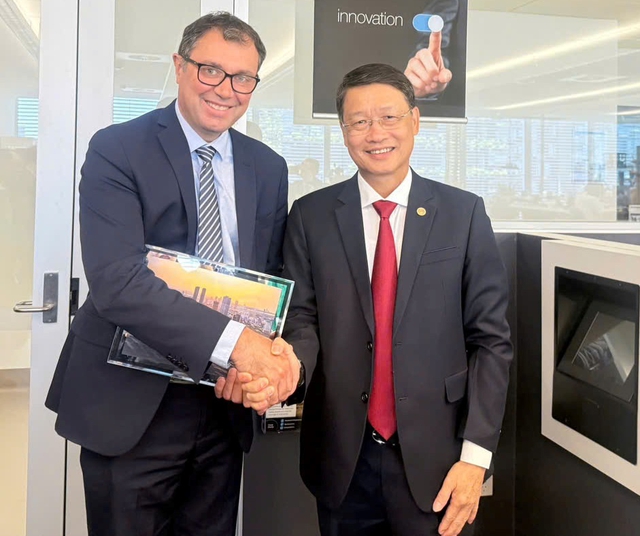
As Da Nang continues to develop its Free Trade Zone and Financial Center, the reliance on international partners for technology transfer becomes increasingly significant. The engagement with New South Wales provides a template for how the city intends to integrate into the global economy: by building specialized hubs of expertise, fostering a high-skilled labor force, and leveraging international partnerships to solve complex urban challenges.
In conclusion, the mission to Sydney was not an isolated event but a strategic maneuver in Da Nang’s long-term development roadmap. By securing commitments for collaboration in high-tech sectors, the city is signaling to the global market that it is ready to transition from a provincial hub to a competitive, technology-driven metropolitan center. The coming months will be critical as the city moves to operationalize these discussions into concrete investment projects and academic exchange programs, setting the stage for a new chapter in Vietnam-Australia economic relations.