The Vietnamese automotive market, which had shown signs of a robust recovery during the middle of the second quarter of 2026, experienced a significant contraction in August 2026. This downturn is largely attributed to the cultural phenomenon known as "Tháng Ngâu"—the seventh month of the lunar calendar—which traditionally sees Vietnamese consumers avoid major purchases, such as real estate or vehicles, due to deep-seated superstitions regarding bad luck. Despite aggressive promotional campaigns, deep price cuts, and incentives offered by manufacturers and dealerships to counteract this seasonal trend, the market failed to sustain its momentum, leading to the lowest sales figures in the first half of the year.
The Cultural Impact of the Lunar Seventh Month
In Vietnamese society, the seventh lunar month is colloquially referred to as the "Ghost Month." Traditional beliefs suggest that this is a time when the gates of the afterlife open, and spirits roam the earth. Consequently, many consumers choose to postpone significant financial commitments, viewing the month as an inauspicious time for major life events or large-ticket acquisitions.
This cultural barrier has historically presented a formidable challenge for the automotive industry. Even as automakers have attempted to modernize their marketing strategies, the psychological aversion to purchasing a car during this period remains a persistent headwind. Dealership representatives across major hubs like Ho Chi Minh City and Hanoi have noted a distinct behavioral pattern: while customers may express interest in a vehicle and even negotiate terms during this month, they deliberately delay the final payment and registration process until the month concludes, effectively stalling delivery statistics.
Chronology of the 2026 Market Performance
To understand the severity of the August slump, one must look at the preceding months. The first quarter of 2026 was characterized by cautious growth as the economy adjusted to new regulatory frameworks and fluctuating interest rates. By June and July, the market had gathered substantial pace, driven by mid-year clearance events and the introduction of refreshed vehicle lineups.
However, the transition into August 2026 marked a stark reversal. Leading up to the start of the month, automotive brands—ranging from premium European labels to mass-market Japanese and domestic manufacturers—initiated aggressive pricing strategies. Discounts ranging from tens of millions to over a hundred million Vietnamese Dong (VND) were common. Despite these "clearance" efforts, the data from the Vietnam Automobile Manufacturers’ Association (VAMA) confirmed that the industry could not overcome the seasonal drag.

Data Analysis: A Comprehensive Market Overview
The figures released for August 2026 paint a sobering picture of the industry’s health. According to VAMA, total sales for its member companies reached 25,395 units, representing a sharp 25% decrease compared to July 2026 and a 2% decline compared to the same period in 2025.
The passenger vehicle segment was particularly hard hit, recording only 16,738 units sold, a 34% drop from the previous month. Import volumes and locally assembled units both suffered, with declines ranging between 22% and 28%. When incorporating data from non-VAMA members, such as the Hyundai Thanh Cong (HTV) joint venture and the electric vehicle manufacturer VinFast, the total market volume for August reached approximately 48,484 units. While this figure is substantial, it reflects a 17.9% decrease (or 10,547 fewer units) compared to July.
It is important to note that these figures are incomplete. The total industry volume does not fully account for niche luxury importers or the growing presence of emerging Chinese automotive brands that have recently entered the Vietnamese market. Their exclusion suggests that the actual market contraction might be even more pronounced than the current VAMA data indicates.
Performance Breakdown by Major Brands
The impact of the seasonal slowdown was indiscriminate, affecting both established market leaders and emerging players.
VinFast, which has maintained a dominant market position throughout 2026, saw its August deliveries reach 20,161 units, a decrease of 1,620 vehicles from the previous month. Similarly, Hyundai recorded 2,928 units sold, marking its lowest performance of the year to date.
Among VAMA members, the performance was equally lackluster:
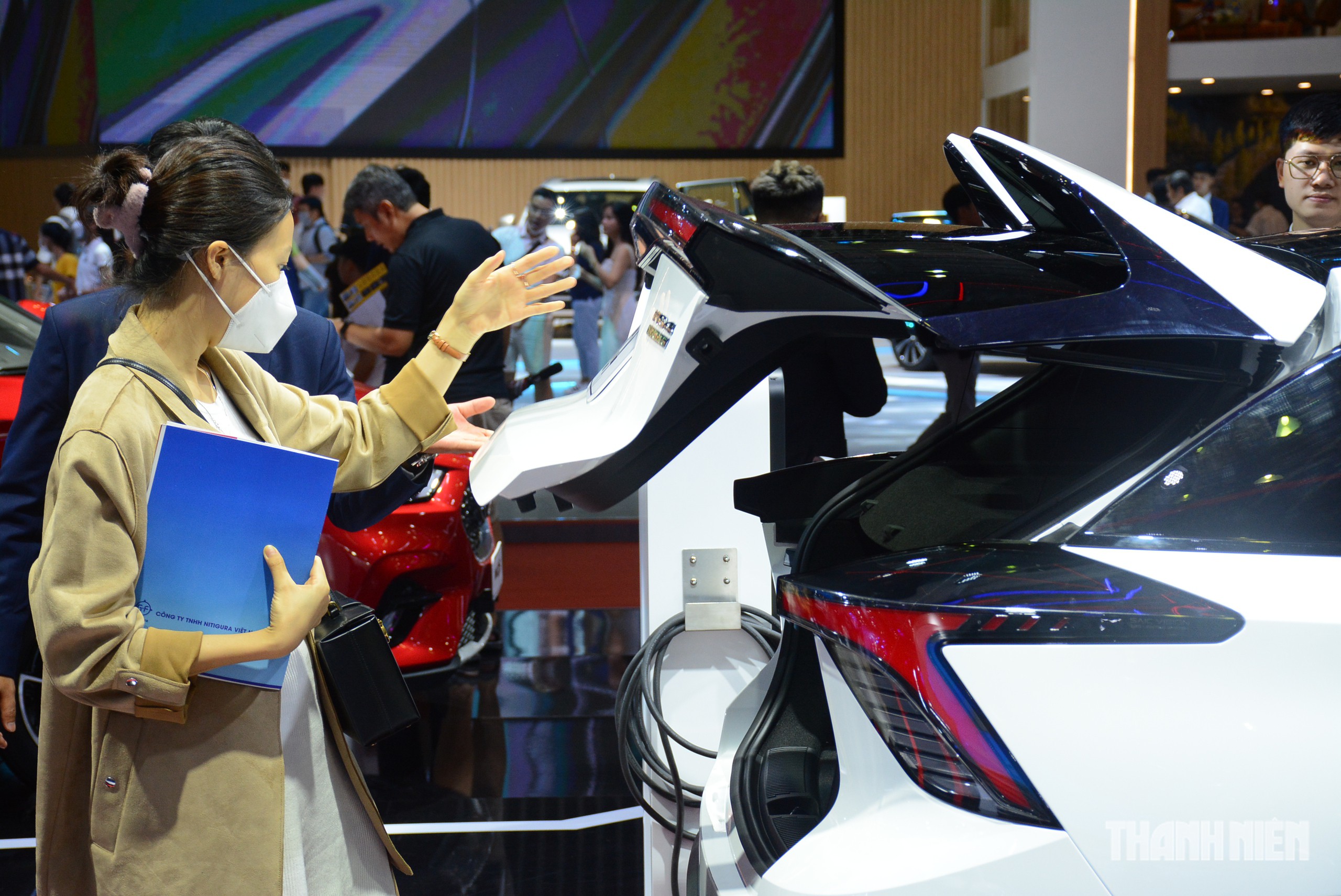
- Toyota: Sold 4,767 units, a 31% drop from July.
- Ford: Recorded 2,242 units, a 28% decline.
- Honda: Experienced one of the most significant downturns, selling only 1,001 units—a 53% plummet compared to the previous month.
- Other manufacturers: Brands such as Peugeot, Mazda, and KIA also reported double-digit percentage declines, ranging from 20% to 37%.
Implications and Future Outlook
The primary implication of this August downturn is the heightened sensitivity of the Vietnamese automotive sector to socio-cultural cycles. For manufacturers and dealerships, the "Ghost Month" represents a structural bottleneck that requires more sophisticated inventory and financial planning.
Despite the poor performance in August, the cumulative data for the first eight months of 2026 remains relatively positive. Total sales for VAMA members, VinFast, and Hyundai reached 436,333 units, an increase of more than 26% compared to the same period in 2025. This suggests that while seasonal factors cause temporary volatility, the underlying demand for mobility in Vietnam continues to trend upward.
Industry analysts suggest that the remainder of the year will likely see a significant "rebound effect." As the cultural restrictions of the seventh lunar month lift, a backlog of demand is expected to materialize. Many consumers who held off on their purchases are likely to proceed with transactions in September and October, potentially leading to a surge in registration numbers.
Furthermore, the government’s role in stimulating the economy through potential registration fee incentives or interest rate adjustments could play a pivotal role in the fourth quarter. Manufacturers are expected to continue their aggressive discounting strategies through the end of the year to meet annual targets, which may benefit consumers who are prepared to capitalize on these offers.
Conclusion
The "Ghost Month" of 2026 serves as a reminder that the Vietnamese automotive market is not solely driven by macroeconomic indicators or supply chain efficiency. Cultural nuances continue to exert a profound influence on consumer behavior. While the 25% drop in VAMA sales is a significant deviation from the growth trajectory seen in mid-2026, it is viewed by industry experts as a temporary, albeit sharp, interruption.
As the industry pivots toward the final quarter, the focus for automakers will shift from managing the seasonal slump to recapturing the momentum lost in August. With the market still showing a strong year-to-date performance compared to 2025, the overall outlook for the 2026 fiscal year remains cautiously optimistic, provided that consumer sentiment stabilizes and purchasing power remains resilient in the face of broader economic pressures. The automotive sector, much like the broader retail market, must continue to navigate the intersection of traditional values and modern economic ambition to ensure sustainable long-term growth.