Vietnam and China Forge Strategic Partnership on Rail Infrastructure, Green Energy, and Cross-Border Supply Chains at CAEXPO 2026

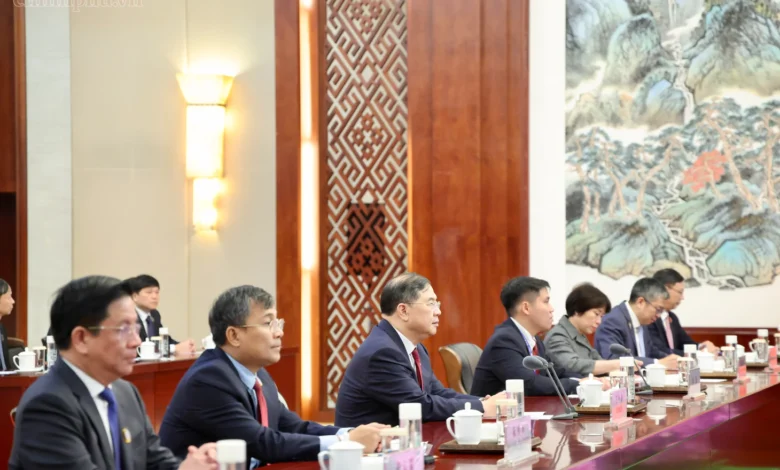
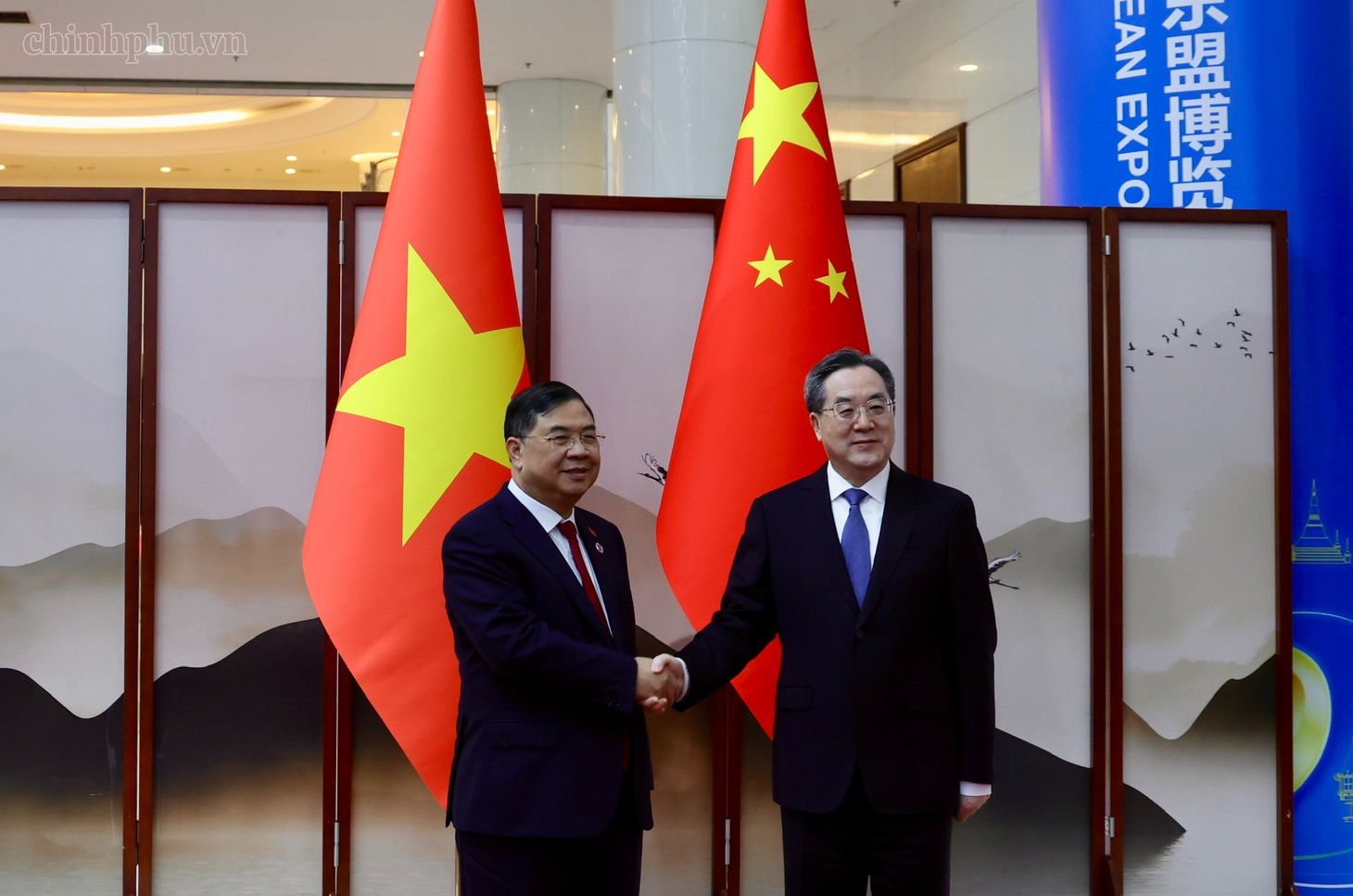
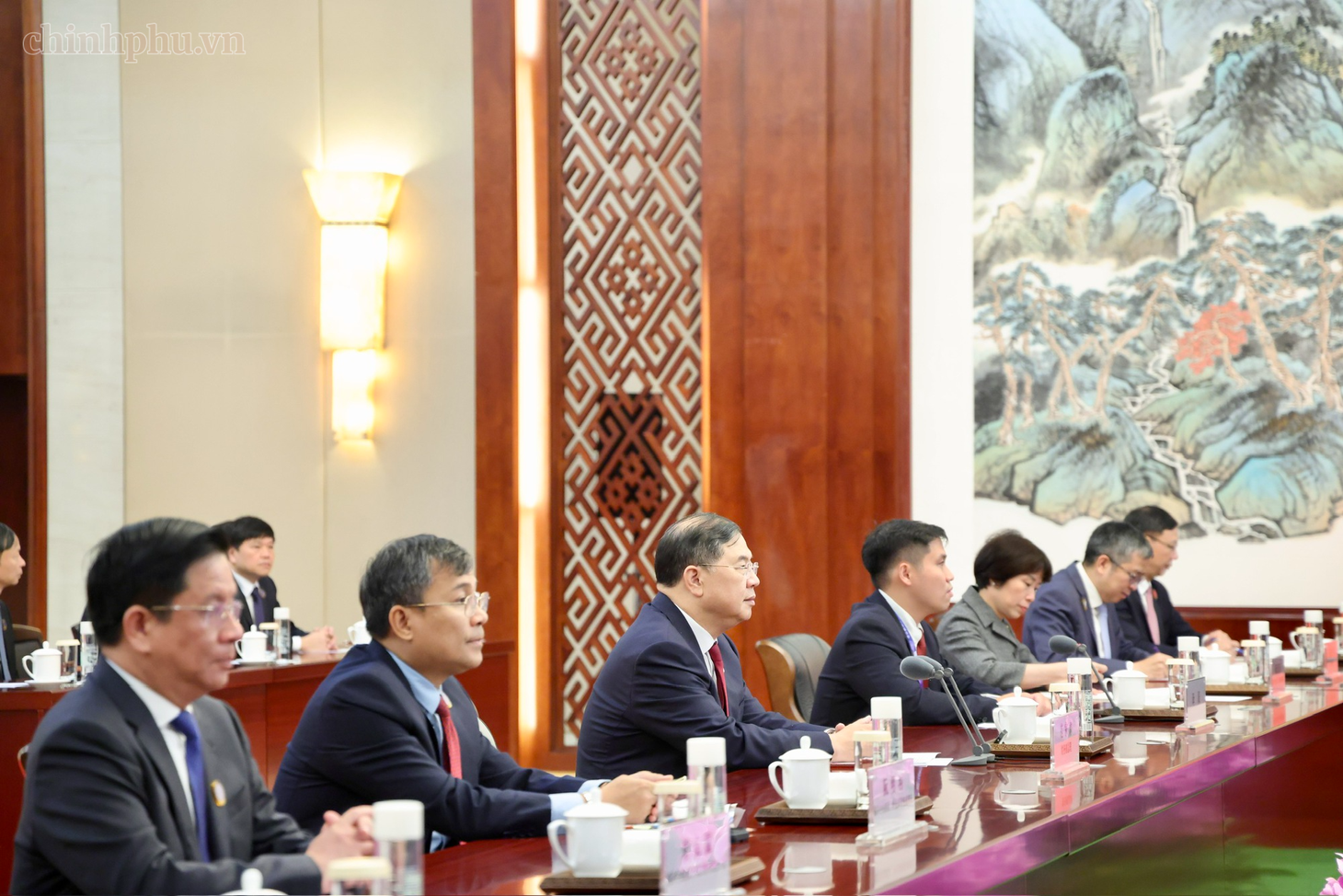
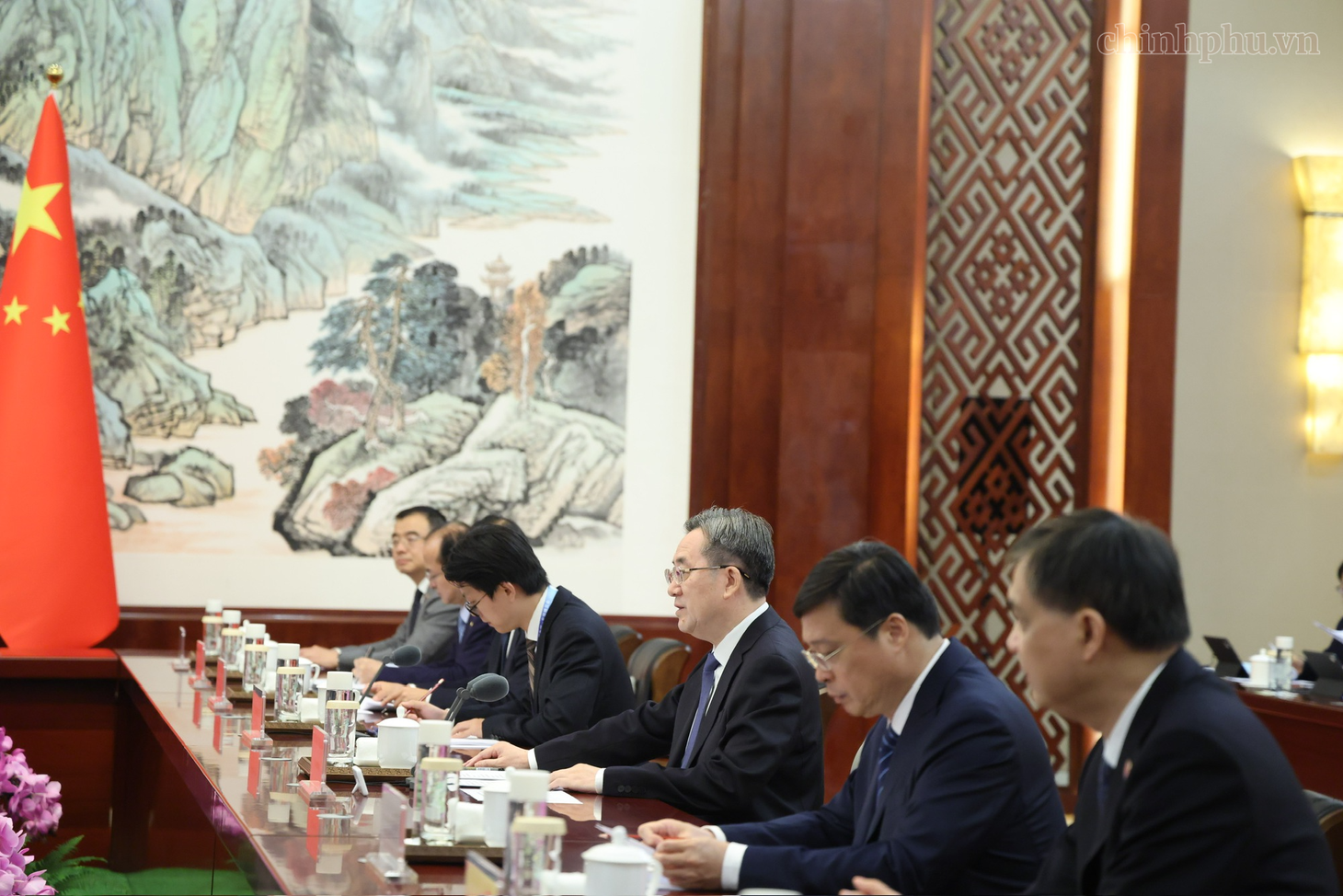
The bilateral economic partnership between Vietnam and China reached a significant milestone on September 16, 2026, as high-ranking officials from both nations converged in Guangxi, China. Permanent Deputy Prime Minister of Vietnam Pham Gia Tuc held high-level talks with China’s Executive Vice Premier Ding Xuexiang on the sidelines of the 23rd China-ASEAN Expo (CAEXPO) and the China-ASEAN Business and Investment Summit (CABIS). The discussions centered on deeply integrating supply and production chains, accelerating critical cross-border railway projects, advancing green energy transitions, and expanding market access for Vietnamese agricultural commodities.
The high-level dialogue underscores a shared commitment by both neighboring economies to elevate their comprehensive strategic cooperative partnership. As regional trade dynamics shift and global supply chains encounter ongoing vulnerabilities, Hanoi and Beijing are actively leveraging institutional frameworks and mega-infrastructure initiatives to ensure long-term economic stability, foster industrial modernization, and promote balanced, sustainable bilateral trade.
Strengthening Cross-Border Transport and Railway Connectivity
At the heart of the bilateral discussions was the imperative to accelerate strategic infrastructure connectivity, particularly in the railway sector. Permanent Deputy Prime Minister Pham Gia Tuc emphasized the necessity of ensuring rigorous implementation timelines for standard-gauge railway connectivity projects bridging the two countries. Furthermore, he proposed scaling up the utilization of international intermodal railway routes to seamlessly link Vietnam and China with third-party markets across Eurasia.
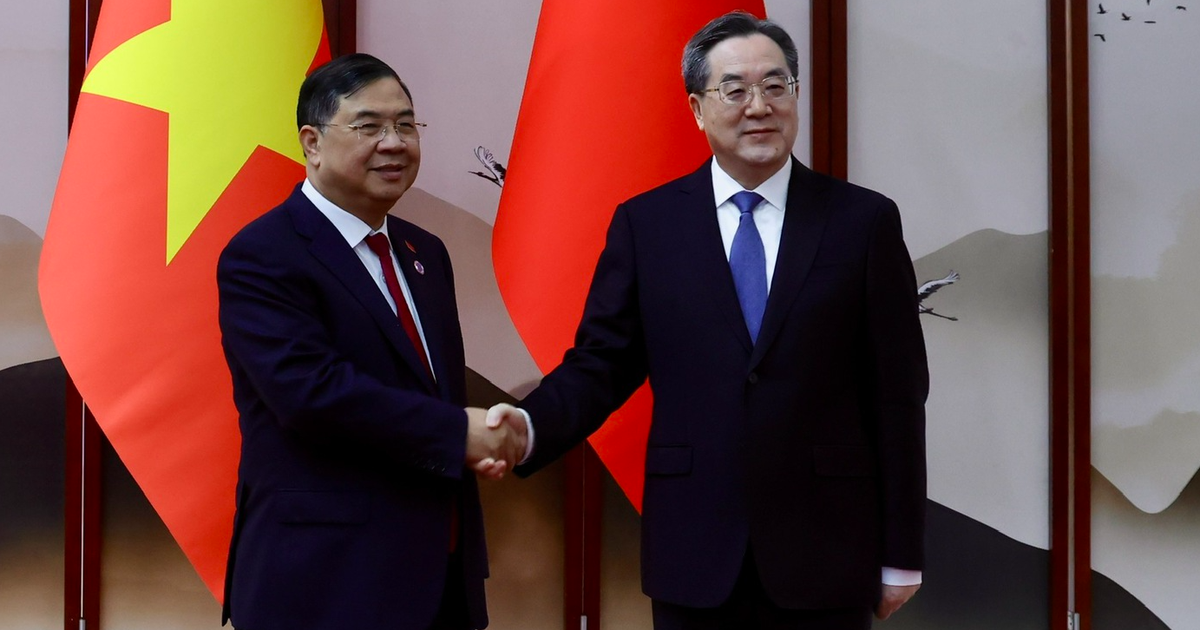
In response, Chinese Executive Vice Premier Ding Xuexiang reaffirmed Beijing’s readiness to advance these cooperative infrastructure projects decisively. He highlighted China’s willingness to accelerate the construction of standard-gauge railway lines linking the two nations and integrating them efficiently with the broader China-Europe railway express network.
The infrastructural push is not limited to railways. Both sides underscored the importance of developing cross-border economic cooperation zones and implementing smart port models to optimize customs clearance and logistical efficiency. During separate meetings on the same day, Permanent Deputy Prime Minister Pham Gia Tuc engaged with top executives from leading Chinese corporations—including Huawei, the China Communications Construction Company (CCCC), and the China Energy Engineering Corporation (CEEC)—to discuss specific project pipelines in transportation, maritime logistics, and renewable energy infrastructure.
CCCC leadership expressed a strong desire to expand its resource commitment to Vietnam’s transport infrastructure, logistics networks, deep-water ports, and green energy initiatives. Specifically, CCCC proposed deepening cooperation on key railway connectivity projects, notably the Lao Cai – Hanoi – Hai Phong railway corridor, alongside port development and highway networks. Similarly, CEEC focused heavily on renewable energy, power transmission system enhancements, and participating in strategic railway links such as the Lao Cai – Hanoi – Hai Phong, Dong Dang – Hanoi, and Mong Cai – Ha Long – Hai Phong routes.
Addressing these corporate proposals, Mr. Pham Gia Tuc noted that Vietnam is currently executing several ambitious infrastructure master plans spanning highways, high-speed and urban railways, civil aviation, and maritime ports. He encouraged capable Chinese enterprises possessing advanced technologies and proven expertise to expand their investments in Vietnam, urging CCCC and CEEC to coordinate closely with Vietnamese ministries to study and execute viable high-impact projects.
Deepening Agricultural Trade and Market Integration
Agricultural trade remained a prominent pillar of the discussions. Permanent Deputy Prime Minister Pham Gia Tuc proposed that Beijing create more favorable conditions for Vietnamese agricultural products to penetrate the Chinese consumer market. He further advocated for deepening bilateral cooperation in quarantine standards and called for the early signing of a Memorandum of Understanding (MOU) designating Vietnam as the guest country of honor for the "Large Market Sharing – Export to China" initiative in 2027.
Responding enthusiastically, Executive Vice Premier Ding Xuexiang welcomed Vietnam’s active participation in the initiative and confirmed China’s preparedness to increase imports of high-quality Vietnamese agricultural goods. Mr. Ding noted that leveraging trade platforms organized by China will naturally foster balanced, sustainable, and long-term bilateral trade growth.
To institutionalize these trade flows, both leaders underscored the necessity of establishing cross-border economic cooperation zones and accelerating smart port initiatives. These technological upgrades aim to reduce transit times, minimize logistical bottlenecks at border crossings, and provide a stable ecosystem for agricultural exporters and manufacturers.
Technological Transformation, Green Energy, and Digital Innovation
Beyond traditional trade and physical infrastructure, the September 16 talks marked a notable pivot toward high-technology collaboration, digital transformation, and green energy development. Vietnam has increasingly prioritized technological sovereignty, artificial intelligence (AI) integration, and the transition toward a low-carbon economy.
In his meeting with Huawei executives, including Will Wang, Vice President of the Asia-Pacific Region and Regional Managing Director for Southeast Asia, Mr. Pham Gia Tuc encouraged the technology giant to evolve its business model in Vietnam. Rather than focusing predominantly on product and equipment supply, Huawei was urged to pivot toward joint research and development, technology transfer, and the co-creation of localized digital solutions.
The Vietnamese Deputy Prime Minister stressed the importance of selecting flagship, breakthrough projects in artificial intelligence, digital economy applications, and green technology solutions, alongside scaling up high-tech workforce training programs. Huawei leadership reciprocated by expressing a keen interest in accompanying Vietnam through its digital and green transitions, offering advanced solutions in green energy development, energy storage systems, and the application of AI across various economic sectors.
Concurrently, cooperation in the power and energy sector was heavily emphasized by CEEC. With Vietnam continuously refining its legal framework, regulatory policies, and market mechanisms to foster a transparent and competitive electricity market, Chinese energy conglomerates see vast opportunities in renewable energy, liquefied natural gas (LNG), and power transmission grid optimization. Mr. Pham Gia Tuc assured visiting energy executives that Vietnam remains dedicated to improving its investment climate to facilitate clean energy development and attract high-quality foreign direct investment (FDI).
Broader Economic Implications and Geopolitical Context
The high-level engagements in Guangxi reflect the robust momentum of Vietnam-China relations against the backdrop of the 23rd CAEXPO and CABIS. These forums have historically served as crucial bridges for economic cooperation between China and ASEAN member states, but the bilateral alignment between Hanoi and Beijing highlights a distinct intensification of cross-border integration.
From a macroeconomic perspective, the convergence of interests on standard-gauge railways and smart logistics holds profound implications for regional supply chain resilience. By aligning Vietnam’s "Two Corridors, One Economic Belt" framework with China’s "Belt and Road Initiative," both nations are systematically removing physical and administrative barriers that have historically encumbered cross-border trade.
The strategic emphasis on high-speed rail connectivity, such as the vital Lao Cai–Hanoi–Hai Phong corridor, will drastically reduce freight transit times from landlocked southwestern Chinese provinces through Vietnam’s primary northern ports, transforming Vietnam into a premier logistics and manufacturing hub within Southeast Asia. Simultaneously, the integration of green energy initiatives and AI cooperation demonstrates that bilateral ties are expanding beyond traditional heavy industry and commerce into the advanced digital economy.
As both governments direct their respective ministries and corporate entities to operationalize the agreements forged in Guangxi, the coming months are expected to yield concrete implementation roadmaps. These developments signal a maturing economic partnership designed to navigate global economic uncertainties through structural connectivity, institutional harmonization, and mutual industrial support.