Delegation of the Communist Party of Vietnam Visits China to Strengthen Strategic Connectivity and Local-Level Cooperation

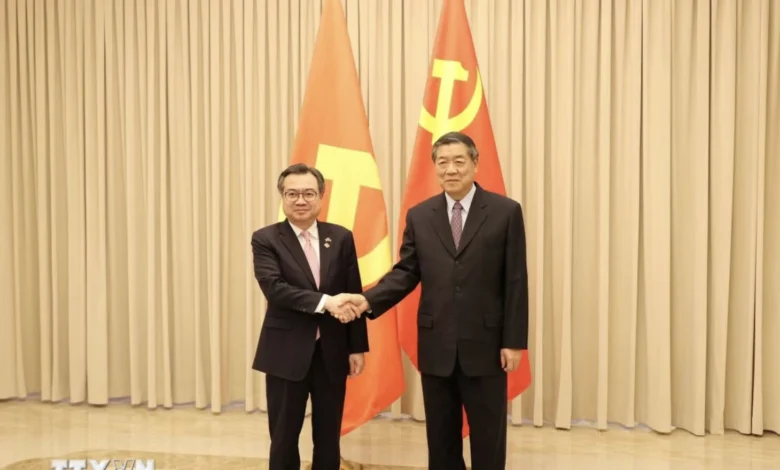
The high-ranking delegation of the Communist Party of Vietnam (CPV), led by Mr. Nguyen Thanh Nghi, Politburo member and Head of the Policy and Strategic Research Commission of the CPV Central Committee, undertook an official visit to the People’s Republic of China from November 1 to November 5. This diplomatic mission, carried out at the invitation of the Communist Party of China (CPC), represents a significant step forward in deepening the comprehensive strategic cooperative partnership between the two neighbouring nations. The visit focused extensively on aligning strategic development frameworks, enhancing bilateral trade, advancing cross-border infrastructure, and fostering robust sub-national and institutional cooperation.
The itinerary of the Vietnamese delegation combined high-level political consultations in the capital city of Beijing with practical sub-national economic and technological explorations in the eastern economic powerhouse of Zhejiang Province. Through a series of high-level meetings, bilateral dialogues, and field surveys, both sides reiterated their shared commitment to translating the high-level understandings reached by the top leaders of the two parties and countries into concrete, mutually beneficial outcomes.
High-Level Engagements and Strategic Consultations in Beijing
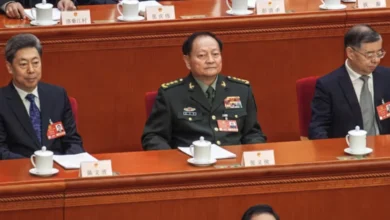
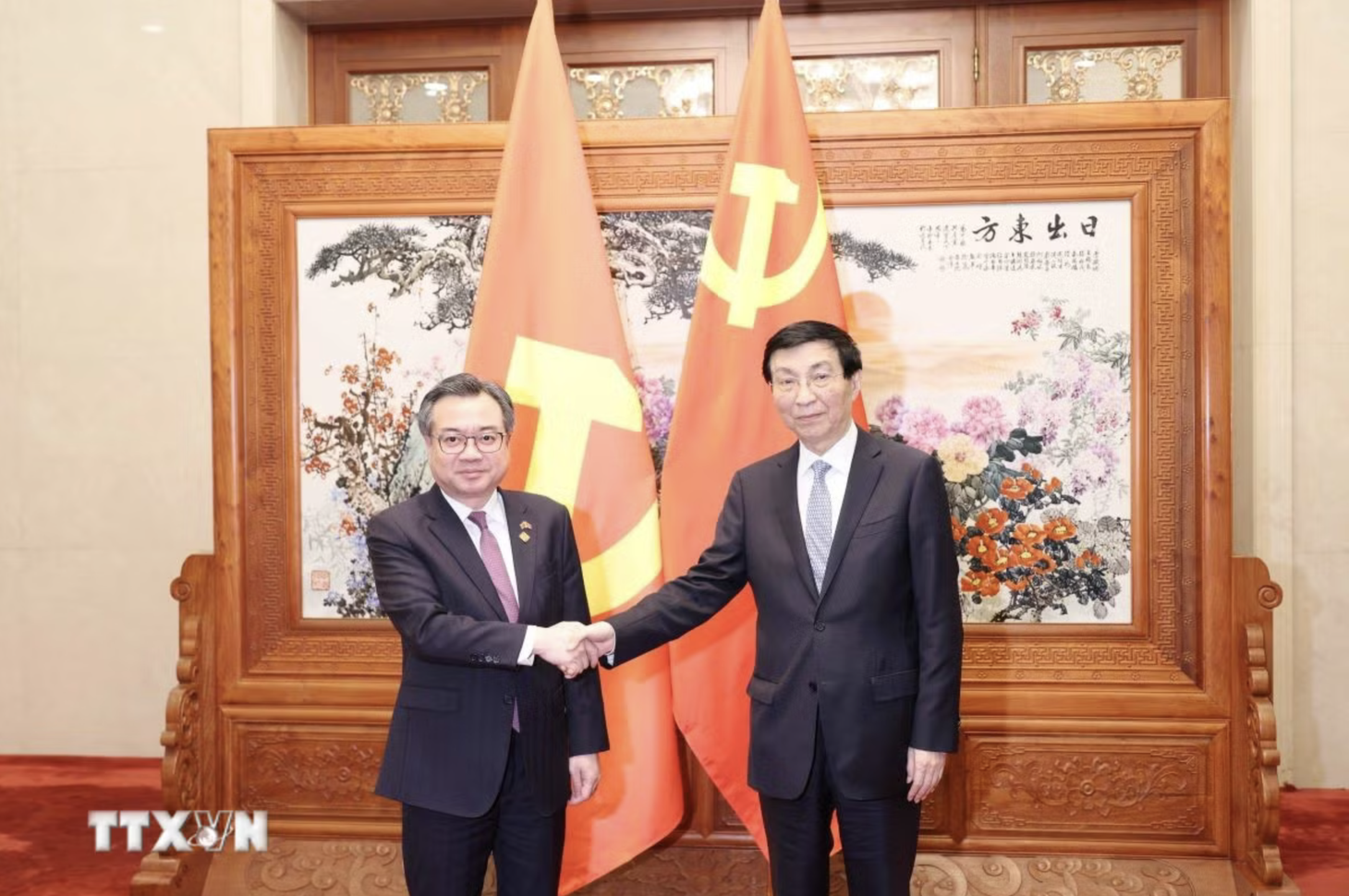
The core of the delegation’s political agenda commenced in Beijing, where Mr. Nguyen Thanh Nghi and his entourage held high-level discussions with senior leaders of the CPC and the Chinese government. On November 2, the delegation participated in a formal meeting with Mr. Wang Huning, member of the Standing Committee of the Political Bureau of the CPC Central Committee and Chairman of the Chinese People’s Political Consultative Conference (CPPCC). The discussions underscored the foundational importance of political trust and ideological alignment in guiding bilateral relations through an increasingly complex global geopolitical and economic landscape.
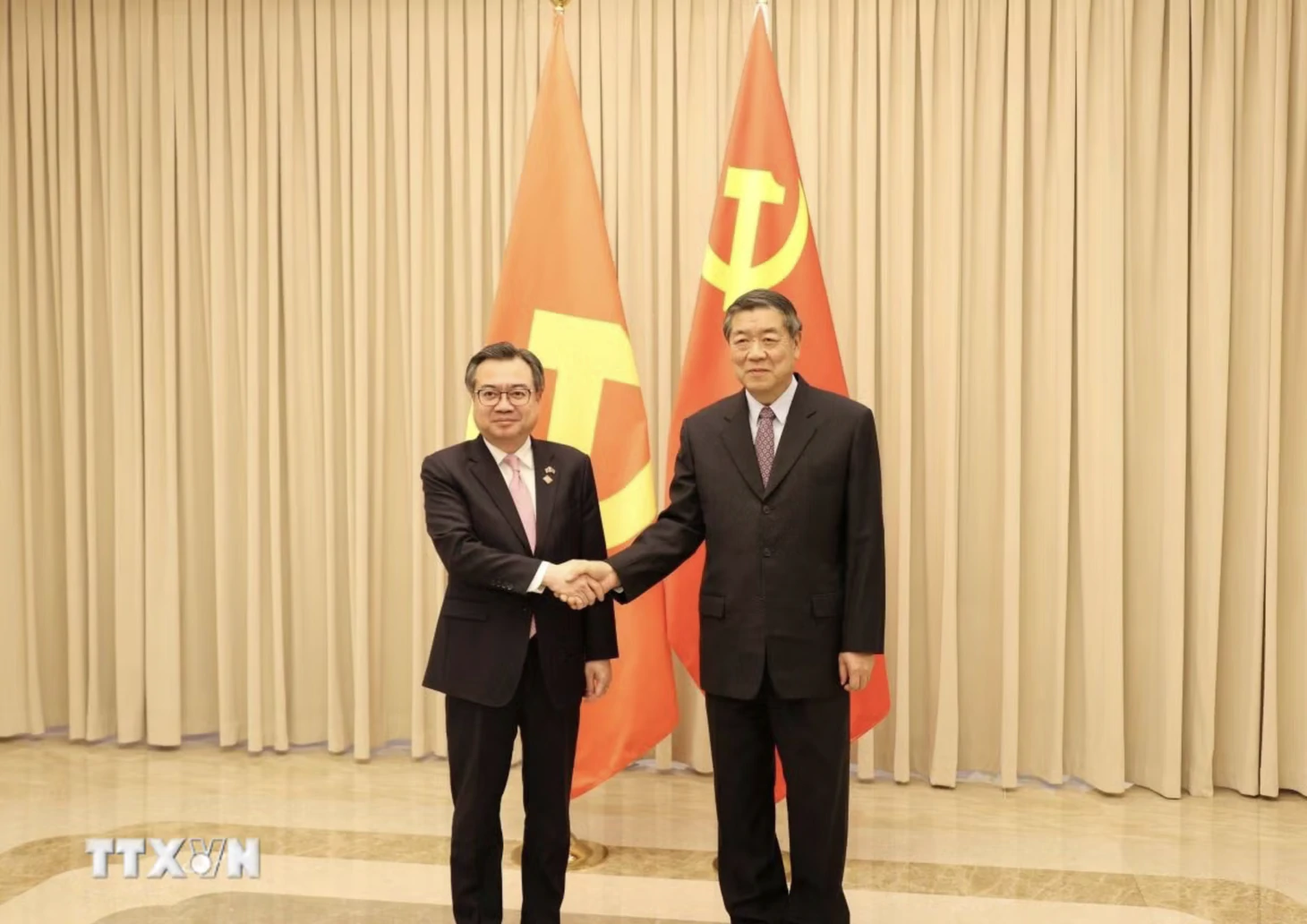
On the same day, Mr. Nguyen Thanh Nghi held substantive talks with Mr. He Lifeng, member of the Political Bureau of the CPC Central Committee, Vice Premier of the State Council, and Director of the Office of the Central Commission for Financial and Economic Affairs. The dialogue centered on macroeconomic policy coordination, financial risk management, and structural economic reforms. Additionally, the delegation met with Mr. Lu Hao, member of the CPC Central Committee and President of the Development Research Center of the State Council, to exchange insights on national development planning, public policy formulation, and long-term economic forecasting.
During these discussions, the Vietnamese side emphasized the necessity of implementing coordinated policy measures to promote balanced and sustainable bilateral trade. Mr. Nguyen Thanh Nghi proposed creating favorable regulatory environments and logistical channels to facilitate deeper market access for Vietnamese goods within China. Furthermore, he advocated for accelerated connectivity in cross-border hard infrastructure, particularly multimodal transport corridors, railway systems, and high-quality investments in energy and digital connectivity.
The leadership of the CPV policy delegation also highlighted the importance of achieving tangible breakthroughs in science and technology innovation, green economy initiatives, and high-level human resource training. Recognizing the expanding scope of bilateral exchanges, both parties discussed measures to bolster tourism cooperation and establish institutional frameworks such as a joint committee on education and training cooperation.
Chinese Official Responses and Economic Cooperation Frameworks
Chinese leaders expressed strong support for the proposals put forward by the Vietnamese delegation, commending Vietnam’s proactive approach to strategic planning and regional integration. Beijing highlighted the critical role of maintaining regular high-level exchanges, enhancing inter-party theoretical dialogue, and optimizing existing diplomatic, defense, and security cooperation mechanisms.
Crucially, the Chinese side formally welcomed Vietnam’s participation as a principal country in the upcoming "Sharing Large Markets – China Exports" initiative scheduled for 2027. Beijing reaffirmed its readiness to increase imports of high-quality agricultural, forestry, and fishery products from Vietnam, leveraging the structural complementarities of the two economies to expand bilateral trade volume sustainably. Moreover, Chinese authorities expressed encouragement for reputable, capable Chinese enterprises to scale up their investments in Vietnam, specifically targeting sectors such as infrastructure development, digital economy, renewable energy, and green technology.
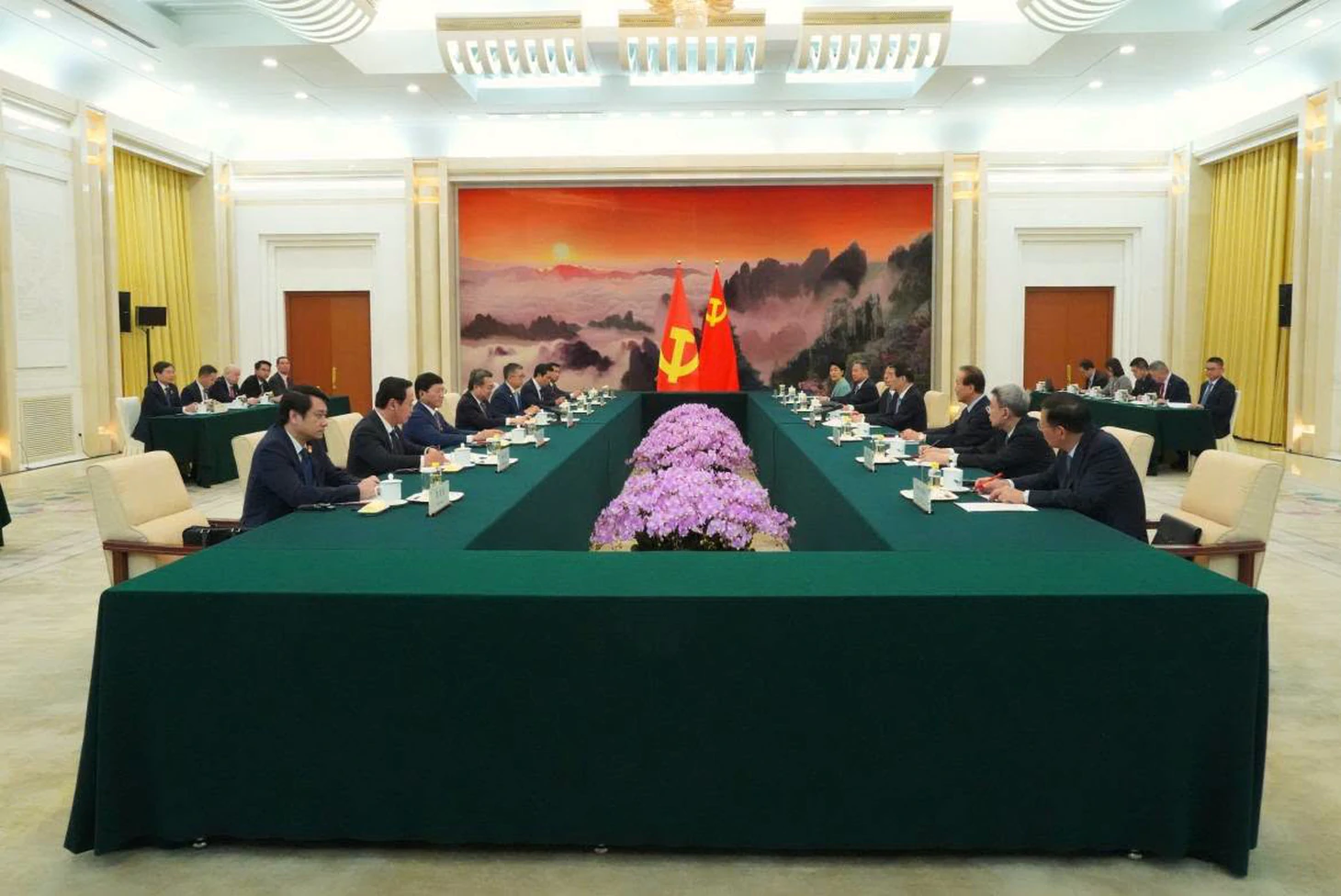
Both sides evaluated the ongoing institutional collaboration between the CPV Policy and Strategic Research Commission and its Chinese counterparts—namely the Office of the Central Commission for Financial and Economic Affairs and the Development Research Center of the State Council. Moving forward, both parties agreed to prioritize joint research programs, thematic seminars, online policy dialogues, and specialized training courses for public officials. These platforms are designed to facilitate the timely sharing of governance practices, administrative experiences, and strategic advisory methodologies.
Expanding Sub-National Cooperation: The Zhejiang Province Leg
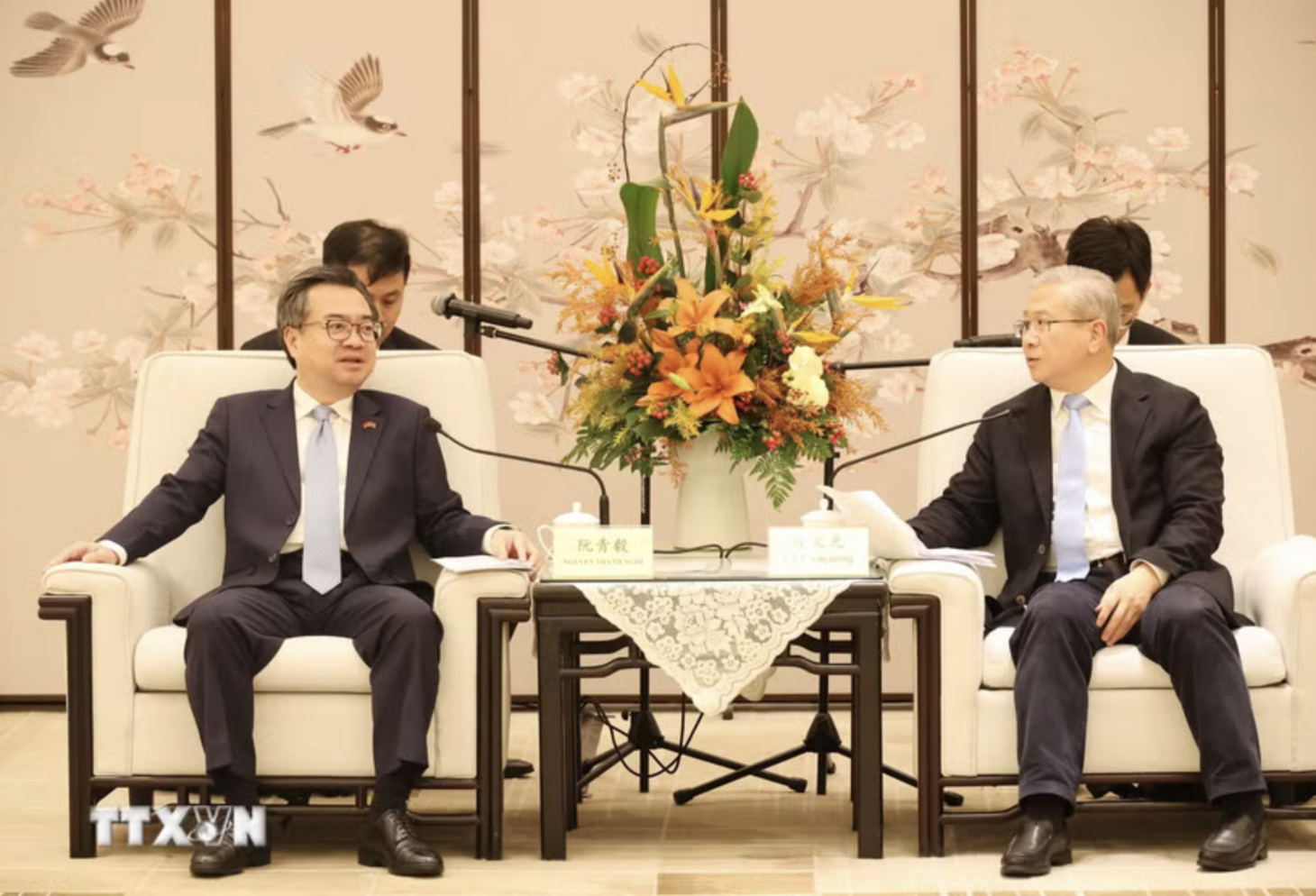
Transitioning from national-level policy coordination to regional implementation, the Vietnamese delegation traveled to Hangzhou, the capital of Zhejiang Province, recognized globally as a leader in economic reform, private sector development, digital innovation, and advanced manufacturing. On November 4, Mr. Nguyen Thanh Nghi held official talks with Mr. Tao Guangqing, Executive Vice Governor of Zhejiang Province.
Opening the meeting, Mr. Nguyen Thanh Nghi expressed high confidence in Zhejiang’s trajectory toward fulfilling the developmental goals set by the Chinese central government, particularly its vision to serve as an exemplary gateway showcasing the distinctive features of Chinese modernization. He underscored that the Party and State of Vietnam consistently attach great importance to local-level diplomacy, viewing sub-national partnerships as a vital pillar for consolidating long-term bilateral friendship and economic resilience.
Noting that Zhejiang’s dynamic economic structure aligns closely with Vietnam’s development priorities, Mr. Nguyen Thanh Nghi proposed deepening existing cooperative ties between Zhejiang and key Vietnamese localities, including Ho Chi Minh City and the historic city of Hue, which have already established formal friendly relations. He also encouraged Zhejiang to expand its cooperative networks to other high-potential provinces and cities across Vietnam.
To maximize trade potential, the Head of the CPV Policy and Strategic Research Commission urged the Zhejiang provincial government to facilitate the importation of premium Vietnamese agricultural and aquatic commodities. He extended an invitation for Zhejiang-based enterprises to invest in Vietnam’s industrial upgrading, modern logistics, e-commerce infrastructure, and smart city management.
In response, Executive Vice Governor Tao Guangqing provided a comprehensive overview of Zhejiang’s socio-economic achievements, emphasizing the province’s pioneering role in driving China’s reform, opening-up, and private enterprise growth. Mr. Tao affirmed that Zhejiang highly values its traditional friendship with Vietnam and fully concurs with the cooperative proposals presented by Mr. Nguyen Thanh Nghi. He confirmed the province’s commitment to implementing the high-level consensus reached by the leaders of both nations by strengthening practical cooperation in trade, investment, high-tech manufacturing, and cultural exchanges.
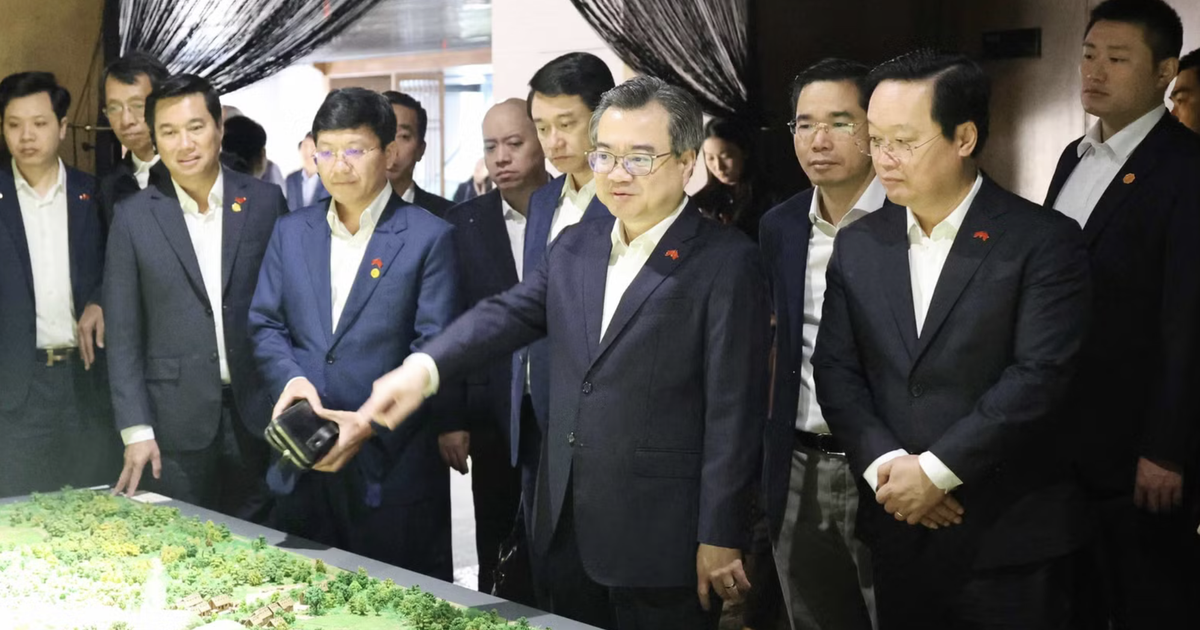
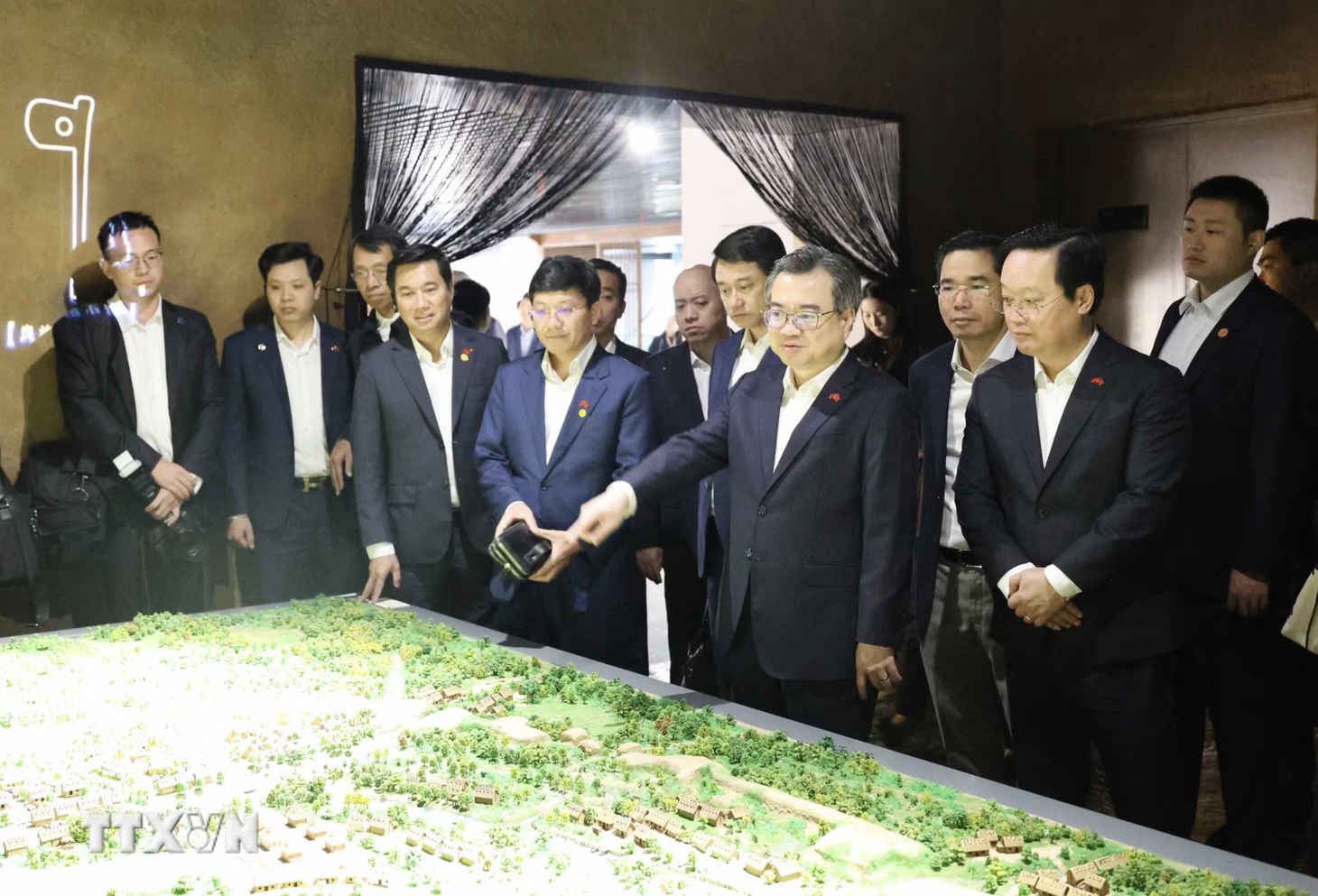
During their stay in Hangzhou, the Vietnamese delegation visited the Hangzhou Urban Planning Exhibition Hall and conducted field inspections at several leading high-tech enterprises and e-commerce giants. These site visits provided the delegation with first-hand insights into China’s advancements in digital commerce, artificial intelligence application, green manufacturing, and urban governance.
Chronology and Context of the Diplomatic Mission
The visit takes place within a broader timeline of intensified high-level diplomatic exchanges between Vietnam and China, aimed at consolidating the building of a "Vietnam-China Community with a Shared Future that Carries Strategic Significance." Over the past several years, bilateral relations have witnessed a steady elevation characterized by frequent state visits, legislative exchanges, and party-to-party consultations.
The inclusion of the CPV Policy and Strategic Research Commission in this high-level outreach highlights a strategic shift toward institutionalized policy synergy. By engaging directly with China’s central economic planning and research organs, Vietnam aims to integrate forward-looking research into its own national socio-economic development strategies for the coming decade. This approach ensures that economic integration with China remains tightly aligned with domestic reform objectives, industrial modernization, and sustainable growth targets.
Implications for Bilateral Trade and Regional Integration
The outcomes of Mr. Nguyen Thanh Nghi’s visit carry profound implications for the economic trajectories of both countries. By addressing long-standing trade imbalances through facilitated market access for Vietnamese agricultural products and encouraging targeted Chinese investment in green infrastructure, the diplomatic engagement lays the groundwork for a more resilient and balanced economic partnership.
Furthermore, the emphasis on cross-border railway connectivity and smart customs clearance points directly addresses logistical bottlenecks that have historically constrained bilateral trade efficiency. Enhanced cooperation in digital trade, e-commerce logistics, and artificial intelligence governance reflects a forward-looking adaptation to the modern global economy, positioning both nations to jointly navigate technological transformations.
Ultimately, the successful conclusion of the delegation’s mission to Beijing and Zhejiang Province reaffirms that sub-national collaboration and strategic policy alignment will remain driving forces in cementing the comprehensive strategic cooperative partnership between Vietnam and China for the foreseeable future.