Ukrainian President Volodymyr Zelensky Rejects Moscow Peace Talks Invitation Amid Heightened Tensions at the United Nations

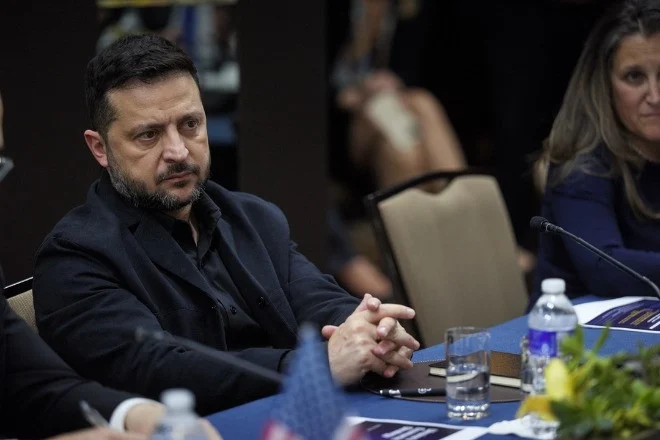
Ukrainian President Volodymyr Zelensky has firmly rebuffed recent overtures from Moscow suggesting that he travel to the Russian capital for direct bilateral negotiations with Russian President Vladimir Putin to address the ongoing conflict. The rejection highlights the profound diplomatic deadlock and deep-seated animosities that continue to characterize relations between Kyiv and Moscow, even as international pressure mounts for a viable pathway toward a political resolution.
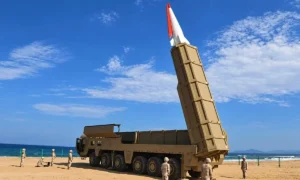
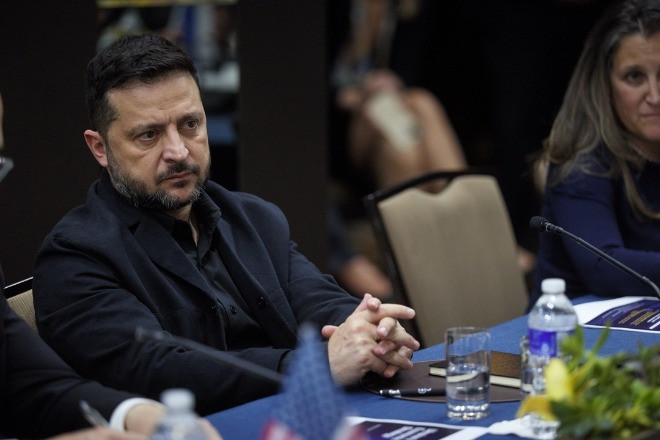
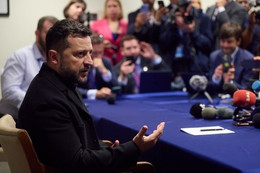
The exchange surrounding the prospective meeting unfolded against the backdrop of the high-level United Nations General Assembly meetings in New York, where global leaders convened to deliberate pressing international security crises. When pressed by a journalist during a press conference about whether he would consider traveling to Moscow to engage directly with his Russian counterpart, President Zelensky offered a terse and metaphorically charged response: "On top of a missile."
While stopping short of issuing an absolute, unconditional refusal of dialogue, the Ukrainian leader reiterated his longstanding position that any direct, face-to-face summit with President Putin must take place on strictly neutral ground rather than on the territory of the aggressor nation. Conversely, the Kremlin has maintained that the Ukrainian leader is dodging the possibility of visiting Moscow, setting up a sharp procedural and diplomatic standoff over the logistics of potential peace talks.
Kremlin Responses and Diplomatic Posturing
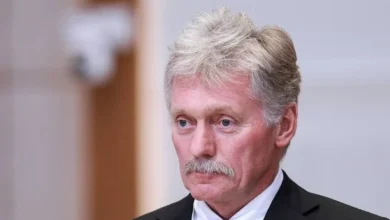
Following President Zelensky’s remarks in New York, Kremlin Spokesperson Dmitry Peskov addressed the media on September 24, indicating that Moscow had not received any formal, legally binding notification regarding a definitive refusal by Kyiv to visit the Russian capital.
"I haven’t heard any official statements about Mr. Zelensky ruling out the possibility of visiting Moscow," Peskov told reporters. "He is making a lot of statements on the sidelines of the United Nations General Assembly in New York."
This public stance follows remarks made approximately a week prior by Russian Foreign Minister Sergey Lavrov, who publicly asserted that Moscow remained fully prepared to host President Zelensky should he choose to travel to Russia for negotiations. Lavrov framed the invitation as an expression of diplomatic goodwill and pragmatic flexibility on the part of the Russian government.
"If Mr. Zelensky wants to meet President Putin, he can come to Moscow," Lavrov stated at the time. "We know that he is a person who likes to travel abroad, while the Russian leadership has a lot of work to resolve at home. Welcoming Mr. Zelensky would demonstrate our constructive intent, as his mandate for negotiating with Russia remains legally valid."
Analysts note that these contrasting narratives serve distinct domestic and international audiences. Moscow frequently attempts to project an image of openness to diplomatic engagement while placing procedural hurdles that Kyiv finds politically and strategically unacceptable. For Ukraine, accepting an invitation to travel to the capital of the invading power is viewed as a capitulation of sovereign dignity and a severe security risk, rendering neutral venues the only viable option for any theoretical high-level summit.
A Chronology of Stalled High-Level Diplomacy
The diplomatic chill between the leadership in Kyiv and Moscow has persisted for nearly half a decade at the highest levels. The last recorded in-person meeting between Volodymyr Zelensky and Vladimir Putin took place in December 2019 in Paris. That summit was conducted under the framework of the Normandy Format, a diplomatic grouping facilitated by France and Germany designed to resolve the conflict in the Donbas region that began in 2014.
Hopes for a diplomatic breakthrough during the 2019 Paris talks ultimately yielded limited results, and subsequent preparatory meetings failed to bridge fundamental disagreements regarding sovereignty, territorial integrity, and security guarantees. Direct high-level contacts between the two heads of state effectively ceased following Russia’s launch of its full-scale military campaign against Ukraine in February 2022.
Since the escalation of hostilities, international mediation efforts have been spearheaded by various global actors, including Turkey, the United Nations, and several European nations, yet none have succeeded in bringing the principal leaders back to the negotiating table. The shifting military dynamics on the ground, massive humanitarian impacts, and incompatible territorial demands have continuously undermined potential cease-fire frameworks.
Broader Geopolitical Context: Prisoners, Sanctions, and International Mediation
The diplomatic sparring over meeting venues coincides with several critical developments concerning the broader geopolitical landscape of the conflict. In recent statements, President Zelensky confirmed that Kyiv had transferred two North Korean soldiers captured in the war zone to South Korea, though details regarding the operational mechanics and diplomatic channels utilized for the transfer were kept sparse. This development underscores the increasingly internationalized nature of the conflict, involving cross-continental military cooperation and intelligence sharing.
Simultaneously, international partners continue to evaluate the utility of temporary cease-fires and diplomatic interventions. United States officials have recently acknowledged that temporary cessations of hostilities or localized truces cannot, by themselves, permanently resolve the fundamental drivers of the Ukraine conflict. However, Washington and other Western allies have conceded that short-term freezes in fighting could alleviate severe global economic pressures, secure vital supply chains, and reduce humanitarian suffering on a global scale.
In parallel with these diplomatic maneuvers, President Zelensky has intensified his international advocacy, calling upon world leaders to tighten economic restrictions on Moscow. During his engagements at the United Nations, the Ukrainian leader urged global powers to further curtail Russian energy revenues, close sanctions loopholes, and impose punitive financial measures designed to diminish Moscow’s capacity to sustain its military operations.
Analytical Implications for the Path Forward
The deadlock over the venue for potential peace talks reflects deeper, irreconcilable strategic objectives between Kyiv and Moscow. Ukraine continues to demand the full restoration of its internationally recognized borders, comprehensive security architectures, and accountability for wartime actions as preconditions for a sustainable peace. On the other hand, Moscow maintains maximalist demands that require Ukrainian territorial concessions and permanent neutrality, framework conditions that Kyiv views as existential threats to its statehood.
As long as both capitals remain deadlocked on fundamental procedural questions—such as whether talks should occur in a neutral European capital or the Russian seat of government—meaningful diplomatic progress remains highly unlikely. Observers suggest that until significant shifts occur on the battlefield or substantial external leverage is applied by major international stakeholders, high-level summits will likely remain rhetorical tools for public relations rather than substantive avenues for conflict resolution.