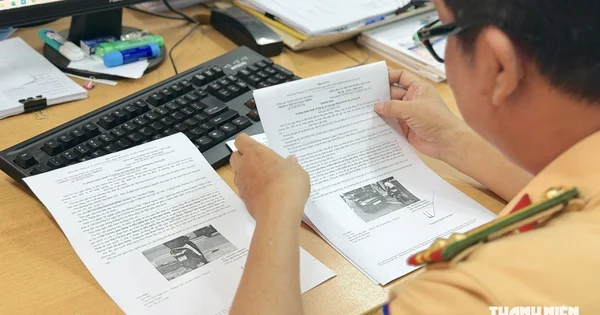
The rapid expansion of the self-drive car rental industry has brought significant convenience to travelers and businesses alike. However, this growth has also introduced a complex legal challenge for vehicle owners: the management of "cold fines"—traffic violations detected by surveillance cameras that are processed long after the vehicle has been returned to the owner. When a renter refuses to cooperate or vanishes after the rental contract concludes, vehicle owners often find themselves unfairly saddled with the legal and financial burden of someone else’s traffic offenses. Navigating this issue requires a meticulous understanding of administrative regulations, contractual obligations, and the evolving digital landscape of traffic enforcement.
The Anatomy of the Cold Fine Dilemma
In the standard operating procedure for self-drive car rentals, customers are required to provide a security deposit or a valuable asset to ensure the vehicle’s safety and compliance with traffic laws. Under normal circumstances, once a contract expires and the vehicle is returned in good condition without reported incidents, the rental agency or private owner returns the deposit.
The complications arise in the "post-rental vacuum." Traffic violations captured by speed cameras or red-light sensors are not always processed in real-time. It can take days, or sometimes weeks, for a notice of violation to reach the registered owner of the vehicle. By the time the owner receives the notification, the rental contract is long closed, and the security deposit has often been returned. If the owner reaches out to the renter to address the fine, they are frequently met with denial, evasion, or complete silence. Consequently, even though the owner was not the one driving, they remain the party legally tethered to the vehicle, facing potential penalties and administrative blocks on their registration.

Legal Framework and Regulatory Compliance
According to Article 47, Clause 8, Point b of Decree 168/2024/ND-CP, the owner of a vehicle has a legal obligation to cooperate with traffic police to identify the person who was operating the vehicle at the time of a violation detected by technical equipment.
The regulation is designed to ensure accountability in an era where the registered owner is rarely the person behind the wheel. If an individual owner refuses to cooperate or cannot provide evidence or a reasonable explanation as to why they were not the driver, they may face the full brunt of the administrative fines associated with the violation. For corporate entities, the stakes are equally high; companies are subject to strict penalties if they fail to assist authorities in identifying the specific driver, unless the vehicle was stolen or being used illegally at the time of the offense.
Crucially, the law does not automatically shift the fine to the owner if they can prove the vehicle was under a rental agreement. However, the burden of proof rests heavily on the owner. The legal system mandates that the owner must demonstrate they took reasonable steps to identify the actual violator.
Strategic Steps for Vehicle Owners
To mitigate these risks, vehicle owners must transition from a passive approach to a proactive, evidence-based management system. The following protocol is recommended for those operating in the rental market:

- Meticulous Documentation: Every rental contract must be supported by a detailed hand-over record (biên bản bàn giao). This document must explicitly state the exact date, hour, and minute the vehicle was handed over to the renter and returned to the owner. This creates a temporal shield. If a violation is recorded at 3:00 PM on October 10, but the vehicle was under the renter’s possession from October 9 to October 12, the contract serves as an irrefutable legal defense.
- Verification of Identity: Beyond the contract, owners should maintain copies of the renter’s driver’s license and contact history. In the event of a dispute, this data becomes the primary evidence submitted to the traffic police department.
- Active Engagement with Authorities: When a notification of a cold fine arrives, the owner should not ignore it due to frustration. They must proactively contact the Traffic Police (CSGT) unit handling the case. By presenting the rental agreement and proof of the renter’s identity, the owner demonstrates good faith in assisting the authorities.
- Contractual Safeguards: Smart rental contracts should include specific clauses detailing the renter’s liability for all traffic fines incurred during the rental period, even those processed after the car is returned. Including a "hold-back" period—where a portion of the deposit is kept for a set duration to account for potential late-notified fines—is an effective risk-management strategy.
Chronology of Liability and the Role of Enforcement
The timeline for traffic enforcement is a critical factor that many owners misunderstand. The period for notification of a violation is calculated from the moment the violation is detected by surveillance equipment, not from the date the vehicle is returned to the owner. Because of this, checking for fines immediately upon receiving the vehicle back does not guarantee a clean slate. A violation might have occurred on the last day of a rental period, but the data might take 10 to 15 days to propagate through the central traffic enforcement system.
If the violation remains unresolved after the legal deadline, the information may be transferred to the vehicle registration and inspection agencies. This can lead to a "blacklisting" of the vehicle, preventing the owner from renewing their registration or undergoing mandatory inspections until the fine is paid or the matter is cleared. This creates a significant disruption for the owner, effectively holding their property hostage for a violation they did not commit.
Analyzing the Broader Impact
The rise of the peer-to-peer rental model has outpaced the development of specialized insurance products for "post-rental liabilities." While traditional rental agencies have legal departments to handle these issues, individual owners are left vulnerable. The lack of a centralized, real-time database that allows renters to check their own traffic violation status before returning a car creates an information asymmetry.
Furthermore, the legal process of shifting liability can be time-consuming. It often requires the owner to appear at police stations, submit documents, and follow up on the status of the investigation. For many, the cost of this time exceeds the cost of the fine itself, leading many to pay the fine out of pocket to avoid further bureaucratic entanglement. This, however, is a dangerous precedent, as it may encourage bad behavior by renters who know they will face no consequences.

Recommendations for Future Policy and Industry Standards
To protect the integrity of the self-drive rental market, the following shifts are necessary:
- Digital Integration: The implementation of a national digital portal where rental owners can verify the current fine status of a vehicle using its license plate in real-time could drastically reduce fraud.
- Standardized Contractual Templates: Industry associations should promote the use of standardized rental contracts that clearly delineate the responsibilities of both parties regarding "cold fines," providing a legal blueprint that is recognized by courts and enforcement agencies.
- Escrow Solutions: Developing secure, third-party escrow services for rental deposits could ensure that funds are only released after a sufficient buffer period, allowing for the emergence of any late-notified violations.
In conclusion, while the renter is ultimately responsible for their actions on the road, the vehicle owner remains the primary point of contact for the state. By prioritizing robust documentation, clear contractual language, and immediate cooperation with traffic enforcement agencies, owners can protect their assets and ensure that liability remains where it belongs: with the driver who committed the violation. The burden of vigilance is high, but in the current regulatory environment, it is the only effective defense against the growing challenge of the "cold fine."
Related posts: