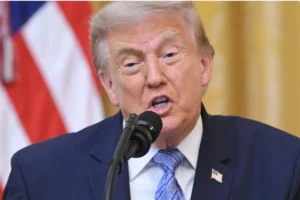
The decision by U.S. President Donald Trump on November 3 to unilaterally terminate the annual $4 billion military aid package to Israel marks a historic rupture in the strategic defense partnership between Washington and Tel Aviv. This abrupt policy shift effectively nullifies the 2016 Memorandum of Understanding (MoU), which was designed to provide a predictable framework for U.S. security assistance through 2028. As the Israeli defense establishment grapples with the sudden financial shortfall, the move has triggered a cascade of questions regarding the legislative authority of the U.S. Congress, the future of pre-planned arms procurement, and the long-term stability of Middle Eastern regional security.
A Historic Shift in Security Architecture
For decades, the U.S.-Israel defense relationship has been the cornerstone of American policy in the Middle East. Under the 2016 agreement, the United States committed to providing $38 billion over a decade, consisting of $33 billion in Foreign Military Financing (FMF) and $5 billion for missile defense systems, such as the Iron Dome, David’s Sling, and Arrow. This arrangement was more than a financial transaction; it was a political guarantee of Israel’s "qualitative military edge" (QME) over potential regional adversaries.
President Trump’s announcement on November 3 effectively shreds this framework, leaving the Israeli Ministry of Defense (MoD) in a state of shock. While Prime Minister Benjamin Netanyahu had previously signaled a desire to reduce Israel’s reliance on direct U.S. military handouts—preferring to pivot toward indigenous defense technology development and strategic industrial partnerships—the reality of a sudden cutoff has caught the Israeli government unprepared.
Chronology of the 2016 MoU and Recent Developments
The 2016 agreement was signed during the Obama administration and was intended to be the bedrock of security cooperation. However, the political climate in Washington has shifted significantly. By June 2026, Israeli officials had already begun informal discussions regarding a "new MoU," suggesting that the Israeli government was aware of the need to adapt to changing fiscal priorities in the United States.
However, the speed at which the current administration moved to terminate the existing funding caught Tel Aviv off guard. Officials in the Prime Minister’s office and the Ministry of Finance confirmed they had no formal, advance notification of the November 3 cutoff date. This lack of diplomatic coordination has complicated the ongoing budgetary planning in Jerusalem, as the Israel Defense Forces (IDF) now face a massive, unplanned gap in their fiscal year 2027 defense spending.
Analyzing the Financial Impact on the IDF
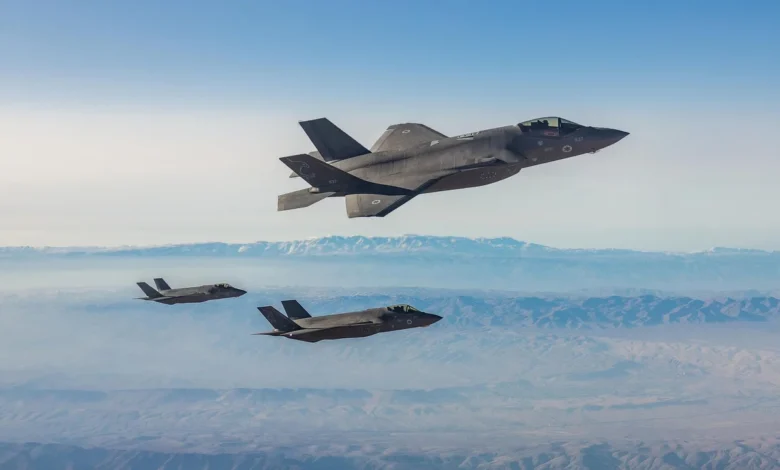
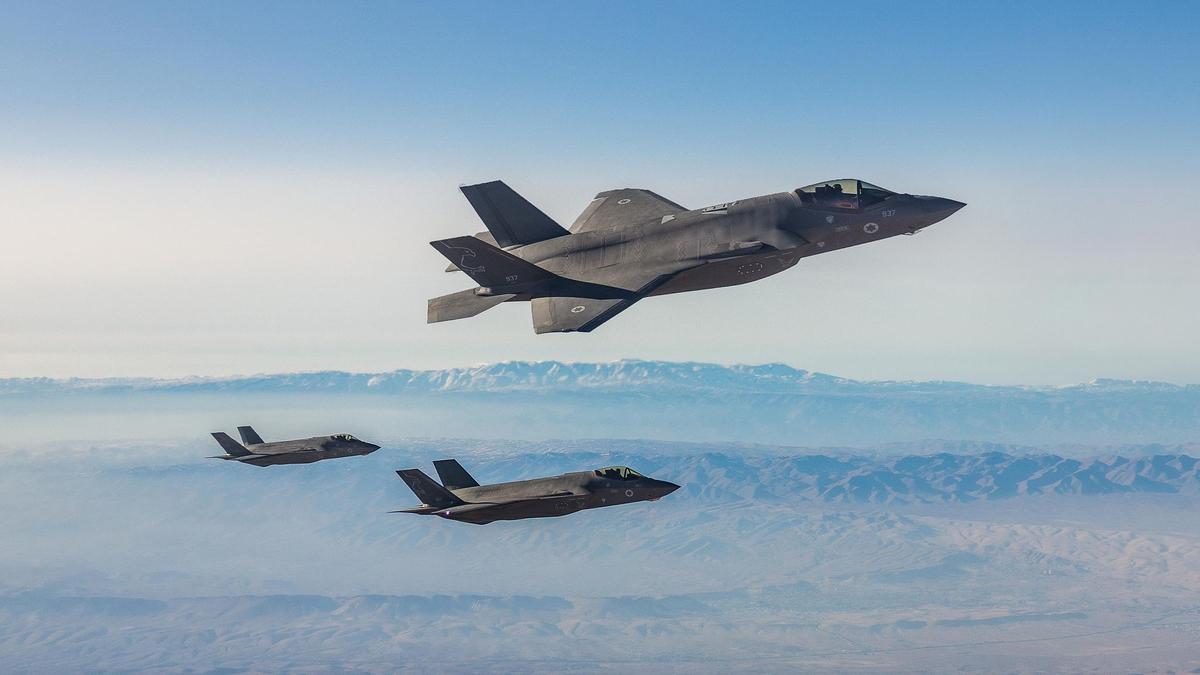
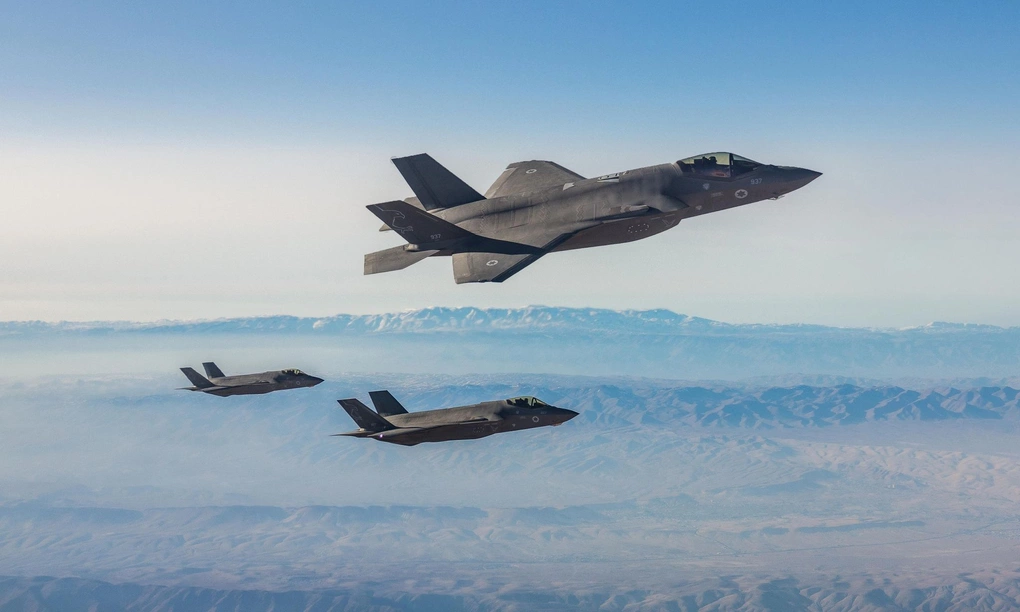
The financial repercussions are immediate and severe. The $4 billion annual aid is primarily used to purchase advanced American hardware, including F-35I Adir stealth fighters, F-15s, F-16s, and AH-64 Apache helicopters. Furthermore, the aid supports critical logistical operations and the maintenance of the Iron Dome and other missile defense networks.
The Global Security Group, a security think tank based in Bahrain, noted in August 2026 that the current MoU had already lost its "strategic importance in terms of raw cash, becoming more of a symbolic measure of U.S. commitment." Yet, even with an annual GDP exceeding $700 billion and a domestic defense budget of over $40 billion, the sudden removal of $3.3 billion to $4 billion in external funding creates a significant "budgetary drag."
Analysts point out that the Israeli defense industry, while highly innovative, is inextricably linked to American supply chains. Many of the weapons systems used by the IDF require proprietary American components or software, meaning Israel cannot simply "substitute" these with domestic products in the short term. The transition from a grant-based system to a full-market procurement model will force the Israeli government to either significantly hike taxes, divert funds from social programs, or slash other areas of the defense budget, potentially weakening its overall military readiness.
Official Responses and Diplomatic Fallout
The reaction from Israeli officials has been a mix of confusion and damage control. An official from the Israeli Ministry of Defense stated, "We are in constant communication with the U.S. and we cannot confirm that Israel was caught completely off guard. The consequences of this decision are being reviewed, even if those responsible for the details were not fully aware of the timing."
Despite the public tension, there is a clear effort to maintain the "partnership" narrative. The MoD noted that the new framework they were negotiating was intended to "deepen cooperation" and move toward a partnership "based on mutual benefit." Yet, the reality remains that the abrupt termination has raised questions about the separation of powers in the United States. Critics of the administration’s decision argue that such a fundamental change in foreign policy should require congressional oversight and approval, rather than being enacted through executive fiat.
Broader Implications: Beyond the Cash
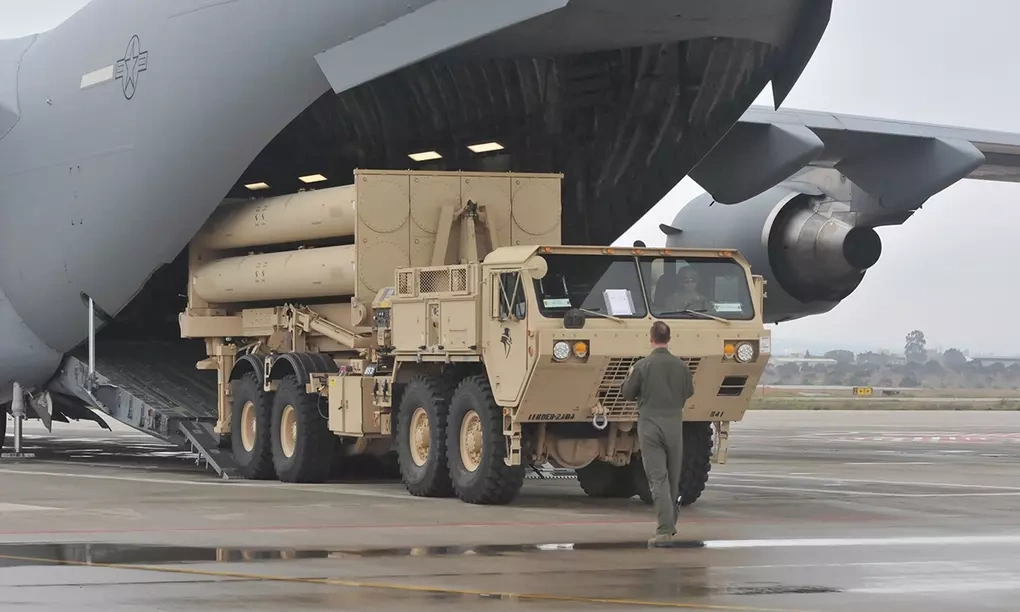
While the headlines focus on the loss of $4 billion, the broader geopolitical implications are far more complex. The U.S. has invested significant resources in recent years to directly protect Israel from Iranian ballistic missile and drone attacks. For instance, during the Houthi campaign in Yemen and the persistent threat from Iranian-backed proxies, the U.S. military has deployed THAAD systems and diverted interceptor missiles to defend Israeli airspace.
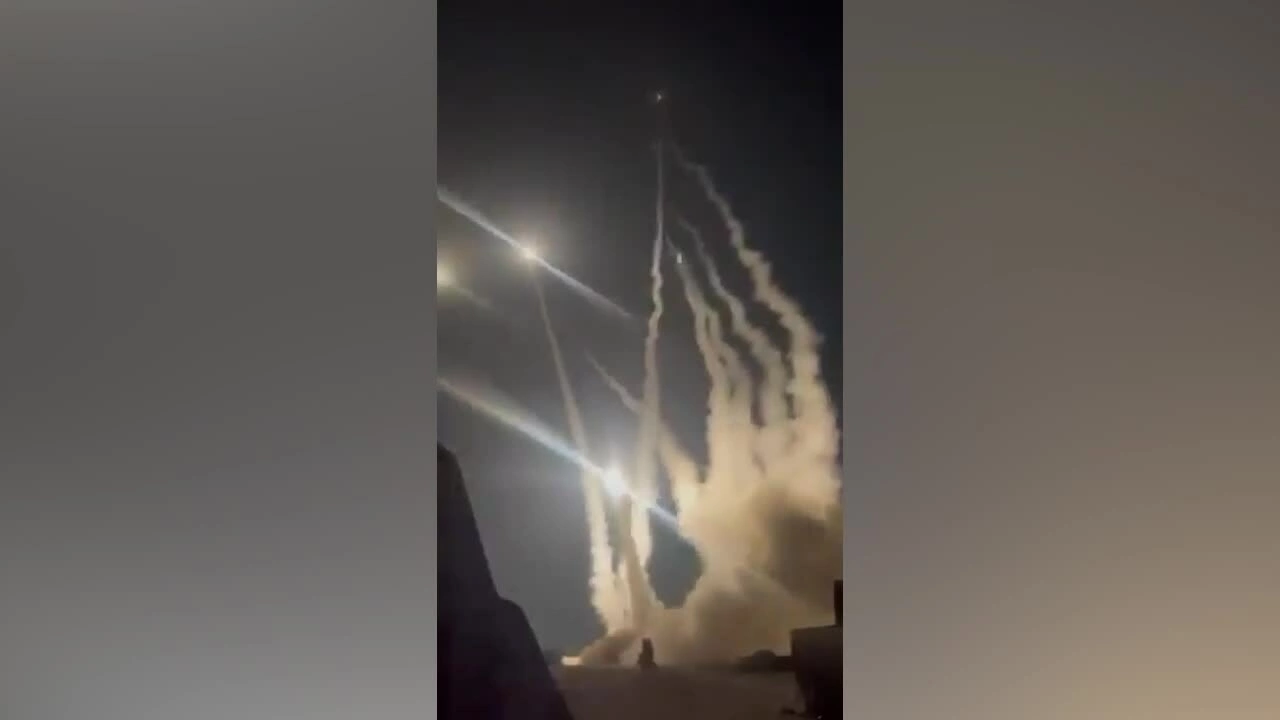
Howard Altman, an editor at The War Zone, emphasized that the direct U.S. military expenditure on defending Israel during recent escalations has likely dwarfed the $4 billion annual grant. "The U.S. has poured unprecedented resources into protecting Israel," Altman noted. "These costs are likely far higher than the numbers being discussed in the aid package."
This suggests that the termination of the formal aid package may be part of a larger strategic realignment. By moving away from direct financial grants, the U.S. might be signaling a desire to shift toward a more transactional defense relationship, where Israel is expected to carry a larger share of its own defense burden while the U.S. provides support only in moments of extreme crisis.
The Future of the Defense Industrial Base
One of the most critical, yet under-discussed, aspects of this development is the impact on the U.S. defense industrial base. Israel has long been a primary customer for U.S. weapons manufacturers. By using FMF funds to buy American, Israel has helped keep the unit costs of advanced systems, like the F-35, lower for the U.S. military through economies of scale.
If Israel is forced to curtail its procurement of U.S. hardware, American defense contractors may see a decrease in orders. Conversely, the move might accelerate Israel’s push to develop its own sovereign defense technologies, which could eventually compete with American products on the global arms market. This would be a double-edged sword for Washington: while it reduces the direct financial burden on the U.S. taxpayer, it may erode the U.S.’s long-term influence over Israeli military capabilities.
Conclusion
The termination of the U.S. military aid package to Israel is a watershed moment that will likely define the next decade of Middle Eastern security. While Israel’s robust economy may allow it to survive the immediate financial shock, the loss of the predictable, long-term framework of the 2016 MoU creates a new level of strategic uncertainty. As both nations navigate this shift, the focus will likely remain on whether this is a permanent divorce or a recalibration of a 78-year-old alliance. For now, the region remains in a state of watchful waiting, as the long-term impact on Israel’s "qualitative military edge" remains an open and highly contentious question.
Related posts: