Global Economic Pressure Mounts on Iran as US and International Allies Coordinate Comprehensive Sanctions Campaign

The international economic architecture is rapidly closing in on Iran as the United States spearheads a sweeping, coordinated diplomatic and financial offensive involving more than 50 nations. This intensifying campaign aims to isolate Tehran from the global marketplace by squeezing its banking sector, restricting its aviation networks, and compelling foreign governments to sever commercial ties with the Islamic Republic. The aggressive strategy, which marks a significant escalation in ongoing geopolitical containment efforts, relies on a combination of multilateral economic pressure, targeted financial penalties, and extensive behind-the-scenes diplomatic missions across the Middle East and Europe.
As the campaign gains momentum, financial and transportation authorities worldwide are aligning with Washington’s objectives. Several foreign governments have already enacted stringent limitations on Iranian carriers and financial institutions, signaling a growing willingness among international partners to comply with renewed U.S. pressure. The overarching goal of this multi-pronged initiative is to drastically curtail Iran’s economic lifeline, diminish its state revenues, and force a strategic behavioral change from the regime in Tehran through comprehensive isolation.
Coordinated Global Diplomacy and the U.S. Financial Offensive
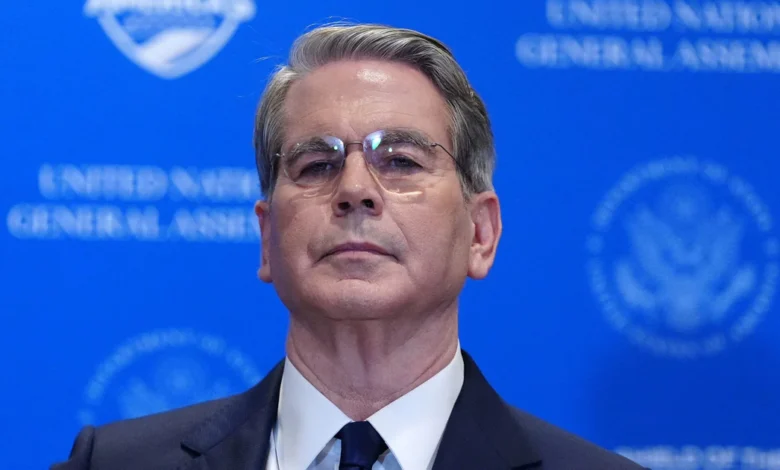
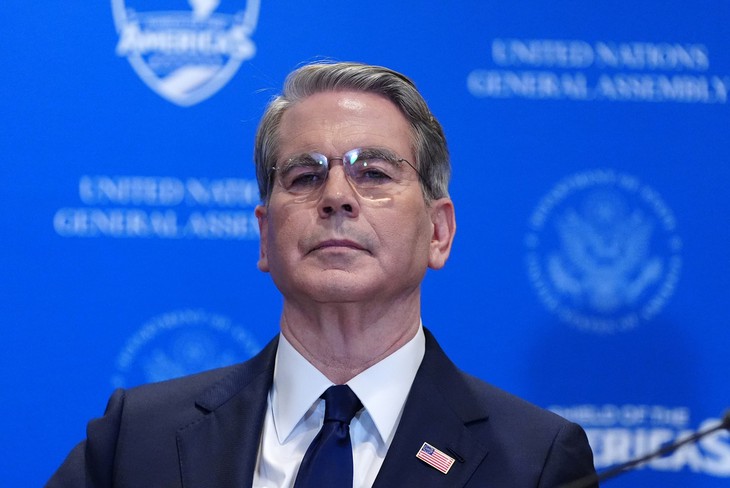
Speaking on recent developments, U.S. Treasury Secretary Scott Bessent highlighted the unprecedented scale of the international outreach effort. Under his direct instruction, specialized U.S. Treasury working groups have been dispatched across the globe to engage directly with foreign capitals, urging sovereign governments to take decisive legislative and regulatory action against the Iranian regime.
According to reports from the Wall Street Journal, Jonathan Burke, the U.S. Treasury Department’s principal deputy assistant secretary for terrorist financing, spent more than two weeks conducting intensive high-level meetings throughout the Middle East and Europe. These missions were specifically designed to coordinate the economic squeeze and persuade partner nations to join the U.S.-led campaign. In total, U.S. Treasury officials have consulted with over 50 countries to align regulatory frameworks and close loopholes that have historically allowed Iran to bypass international financial restrictions.
Secretary Bessent took to social media to emphasize the efficacy of these diplomatic missions, noting that the concerted global push is already yielding tangible results. The strategy relies heavily on secondary enforcement mechanisms, making it increasingly difficult for international corporations, banks, and logistics providers to maintain commercial relationships with Iranian entities without facing severe penalties within the U.S. financial system.
Aviation Sector Grounding: A Global Crackdown on Iranian Carriers
One of the most visible aspects of the current containment campaign is the systematic targeting of Iran’s commercial aviation sector. Earlier in the month, Secretary Bessent issued a stark warning that all Iranian airlines would face severe operational restrictions and potential exclusion from global airspace. This announcement signaled an aggressive shift toward grounding the country’s civilian fleet internationally.
The impact of these directives has rippled quickly through regional aviation markets. According to the state-run Iranian news agency ISNA, at least five foreign nations have officially revoked the flight permits of Iranian carriers. The countries that have suspended operations for Iranian airlines include Azerbaijan, Georgia, Iraq, Oman, and the United Arab Emirates (UAE).
The UAE, and specifically the bustling commercial hub of Dubai, has historically served as a critical economic and transportation gateway for Iran. With large Iranian expatriate communities and deeply entrenched commercial ties, Dubai’s airports routinely handled numerous daily flights from Iranian carriers. The revocation of flight permits by Emirati authorities represents a major blow to Iran’s connectivity with its primary regional trading partners.
Despite this coordinated rollback, certain channels remain open. ISNA reported that key trunk routes to China and Russia continue to operate, sustained primarily by Iran’s national carrier, Iran Air, and Mahan Air. While Mahan Air previously announced the suspension of its flights to Turkey following heavy pressure from foreign regulators, flight tracking data from Tehran and Istanbul airports reveals that cross-border travel between the two nations persists. These flights continue on a reduced schedule, operated primarily by Iran Air or smaller, less conspicuous regional carriers. Furthermore, direct air routes linking Iran to Afghanistan, Armenia, Belarus, Malaysia, Pakistan, and Tajikistan remain operational, providing limited lifelines for international mobility and commerce.
Financial Restrictions Target Banking Infrastructure
Parallel to the aviation restrictions, the financial sector has become a primary battleground in the economic campaign against Tehran. At least two major regional partners have moved swiftly to curtail the operations of Iranian financial institutions within their borders, effectively severing vital channels for international wire transfers and trade settlement.
In the United Arab Emirates, authorities have moved to freeze transactions involving Bank Melli, Iran’s state-owned national bank, effectively halting its operational capacity within the UAE financial ecosystem. Simultaneously, Turkey has taken decisive action by revoking the operating license of Bank Mellat, a major Iranian commercial bank that has long facilitated cross-border financial transactions between the two neighboring economies.
These regulatory actions close critical financial conduits that have allowed Iranian entities to process foreign currency transactions and trade payments. By targeting systemic pillars like Bank Melli and Bank Mellat, the coordinated campaign aims to inflict maximum friction on Iran’s import-export operations, making it exceedingly difficult for the regime to finance state activities or procure necessary foreign goods.
Background Context and Strategic Implications
The current escalation builds upon a decades-long framework of economic sanctions levied by Western nations against Iran over its nuclear development program, regional geopolitical influence, and support for proxy militant networks. However, the modern iteration of this campaign under the current U.S. administration reflects a renewed focus on aggressive multilateralism and strict enforcement of secondary sanctions.
By compelling more than 50 countries to participate in targeted economic isolation, Washington is attempting to eliminate the gray-market trading hubs and financial workarounds that previously softened the impact of unilateral restrictions. The involvement of traditional regional transit hubs like the UAE and Turkey underscores the shifting risk calculus for nations caught between compliance with Western financial systems and maintaining economic ties with Tehran.
The broader implications of this campaign are profound for the Iranian domestic economy, which continues to struggle with high inflation, currency devaluation, and structural inefficiencies. As vital aviation corridors close and core banking relationships are severed, the cost of conducting international trade will rise exponentially for Iranian enterprises. While certain corridors through nations like Russia, China, and select Central Asian states remain viable, the sheer breadth of the U.S.-led diplomatic offensive signals a formidable barrier to economic recovery.
As Washington’s working groups continue their global outreach, the international community watches closely to see whether remaining trading partners will succumb to pressure or find alternative, highly clandestine methods to maintain commercial ties with Tehran. For now, the economic net continues to tighten, leaving the Iranian government with increasingly narrow avenues to engage with the global economy.