Ho Chi Minh City Police dismantle organized crime network led by Hiep Den involved in staged violence and illegal lending

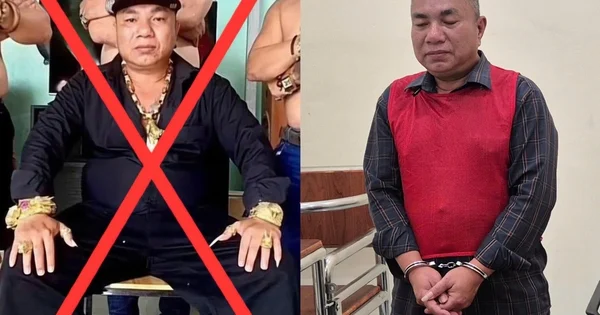
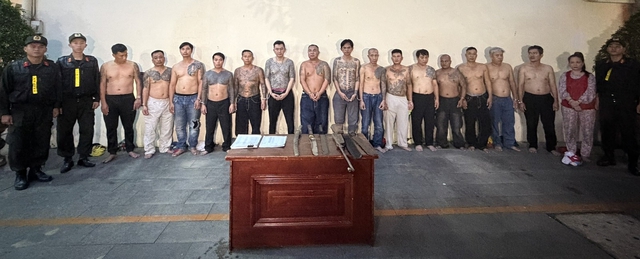
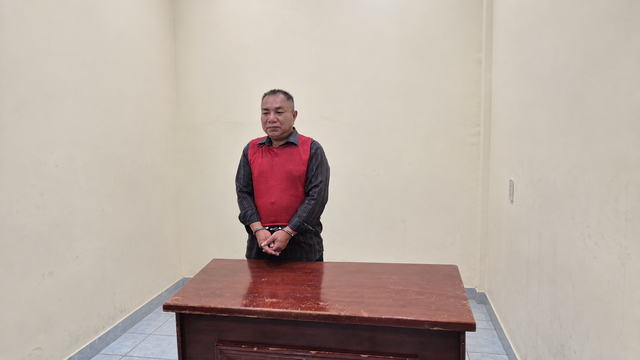
The Ho Chi Minh City Police Department has officially announced the arrest and prosecution of Nguyen Tuan Hiep, a 55-year-old figure widely known in online circles as Hiep Den, along with 13 associates. The operation marks a significant crackdown on individuals exploiting social media platforms to cultivate a criminal persona, promote violent imagery, and operate illicit financial schemes. The defendants face charges related to the illegal distribution of information on computer networks, usury in civil transactions, and the unauthorized possession of prohibited weapons.
The Rise of a Digital Crime Persona
Nguyen Tuan Hiep, the proprietor of the Hong Hanh Hotel located in Hiep Phuoc, Ho Chi Minh City, first garnered notoriety around 2017. Initially, his Facebook account, titled Nguyen Tuan Hiep, served as a platform for sharing personal anecdotes, dining videos, and social interactions. However, over time, the nature of his content shifted significantly. Seeking to bolster his influence and gain notoriety, Hiep began orchestrating short, cinematic depictions of gang life.
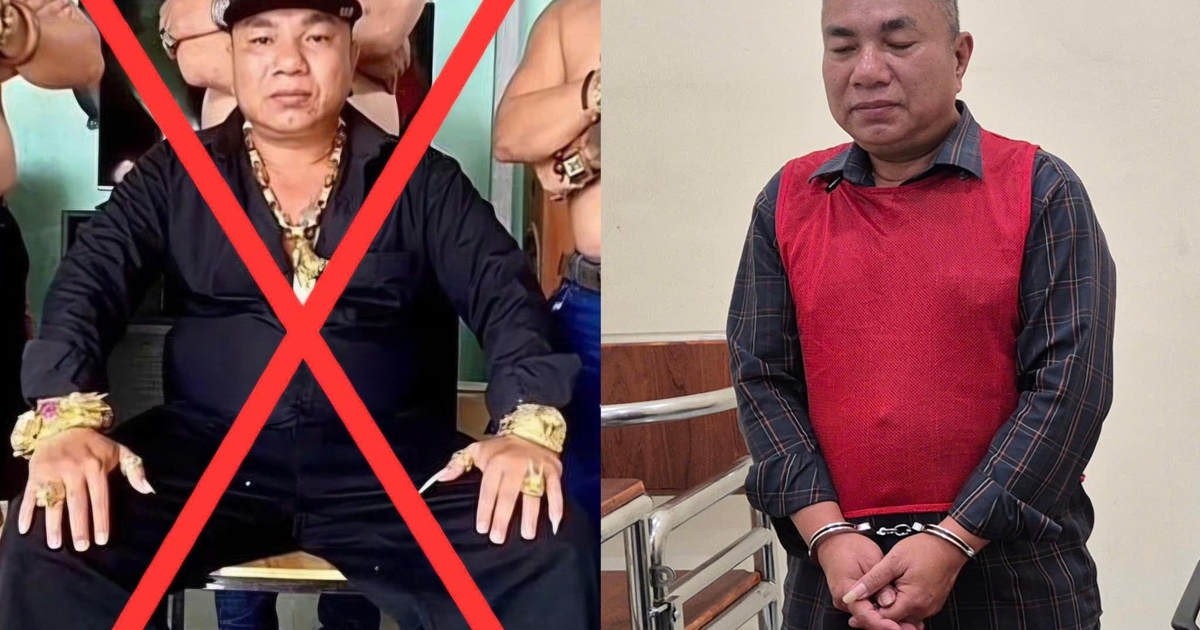
These videos, which were disseminated across YouTube, Facebook, and TikTok, frequently featured scenes of street altercations, the brandishing of weapons, and the resolution of fabricated disputes. Through these productions, Hiep cultivated the image of a formidable gang leader, adopting the moniker A2. By curating a brand of "street justice" and bravado, he effectively built a following among impressionable youth, using the aesthetic of underworld violence to command attention and respect in the digital sphere.
Investigative Breakthroughs and Staged Violence
The investigation into Hiep Den was prioritized by the Ho Chi Minh City Police Department following direct instructions from the Ministry of Public Security to address the growing trend of individuals using cyberspace for criminal activities. The Criminal Police Department conducted an exhaustive investigation into Hiep’s network, uncovering a sophisticated mechanism for staging and promoting violent content.
One specific piece of evidence highlighted by authorities was a 39-second video clip, which gained significant traction after being posted on June 15, 2020, by Trinh Quoc Long, also known as Long De, via his TikTok account. The video, which garnered over 13,000 views, depicted a staged confrontation where Hiep appeared with a mock firearm, directing his associates in a simulated pursuit and assault of rivals. This meticulous orchestration was designed solely to increase engagement, bolster Hiep’s reputation as an untouchable figure, and influence the perception of the underworld among the public.
Expansion into Illegal Financial Activities
Beyond the theater of social media, the investigation revealed that Hiep’s network was engaged in tangible criminal enterprises. Alongside associates Nguyen Son Lam and Nguyen Trung Nghia, Hiep operated an illegal lending ring. Evidence collected by investigators indicates that the group provided loans at interest rates reaching 10% per month, equivalent to an annual interest rate of 120%, far exceeding the legal limits set by Vietnamese law.
During the execution of search warrants at the Hong Hanh Hotel, authorities discovered a gas-powered handgun concealed in the ceiling of a bedroom. This discovery served as the basis for additional charges regarding the possession of prohibited weapons. The convergence of digital provocation and traditional criminal activities, such as usury, highlights the multi-faceted threat posed by these modern criminal networks.
Chronology of the Legal Crackdown
The dismantling of the Hiep Den syndicate was a result of long-term surveillance and coordinated police action.
- 2017: Hiep begins using his social media presence to transition from a business owner to an online personality associated with "gangster" culture.
- 2020: The TikTok video featuring a staged violent confrontation is published, marking a period of peak digital activity for the group.
- Late 2024–Early 2025: Law enforcement intensifies monitoring of online criminal content, identifying Hiep’s network as a high-priority target.
- October/November 2026: Following extensive evidence collection, the Ho Chi Minh City Police execute a series of coordinated raids, arresting Hiep and 13 associates.
- Prosecution Phase: The suspects are formally charged with disseminating illegal content, conducting usury, and illegal possession of weapons.
Implications and Official Response
The arrest of Hiep Den and his associates is part of a broader campaign by the Vietnamese authorities to sanitize the digital landscape. The Ministry of Public Security has repeatedly warned that the glorification of criminal lifestyles on social media poses a direct threat to public order and the psychological development of the youth.
Authorities emphasized that the "entertainment" value of such content does not exempt it from legal scrutiny, especially when it promotes illegal acts or serves as a recruitment tool for criminal organizations. The Ho Chi Minh City Police have called on the public to report any content that promotes violence or illegal activities, stressing that the normalization of such behaviors on social media platforms can have severe real-world consequences.
Analysis: The Intersection of Social Media and Organized Crime
The case of Hiep Den serves as a textbook example of how social media can be weaponized to legitimize and expand criminal influence. By creating an aura of power through edited, high-impact visuals, Hiep was able to bypass the traditional barriers to entry for criminal prestige. The digital "clout" gained through these videos translated into tangible power, facilitating his illegal lending activities and providing a level of social insulation that allowed his business to flourish for several years.

Sociologists and law enforcement experts note that this phenomenon creates a "feedback loop" of violence. Younger demographics, exposed to these videos, may begin to emulate the behaviors, leading to a rise in localized street violence and a misunderstanding of the legal consequences of such actions. By targeting the source of this content—the "influencers" of the criminal world—the police are attempting to break this cycle at its point of origin.
Conclusion: Moving Forward
The legal proceedings against Nguyen Tuan Hiep and his 13 accomplices—including Trinh Quoc Long, Nguyen Van Nghia, Lam Duy Bao Son, and others—are ongoing. The charges carry significant penalties, reflecting the seriousness with which the state views the exploitation of digital platforms to incite criminal activity.
As the digital landscape continues to evolve, the case against Hiep Den stands as a warning to those who believe that the anonymity or the "theatrical" nature of the internet provides a shield against the law. The Ho Chi Minh City Police have reaffirmed their commitment to maintaining public order, both on the streets and in the digital realm, urging citizens to remain vigilant and avoid interacting with or promoting content that celebrates criminal lifestyles. The dismantling of this network is expected to have a cooling effect on similar online operations, forcing a re-evaluation of how digital content creators operate within the bounds of the law.