
The Hyrox fitness racing event held in Beijing on September 12, 2026, has ignited a global controversy surrounding athlete safety, health protocols, and the integrity of competition. The incident centers on Joanna Wietrzyk, a prominent elite Australian athlete, who reportedly suffered from an acute gastrointestinal emergency mid-race yet was permitted by organizers to continue and complete the competition. This decision has sparked a firestorm of debate among the Hyrox community, sports medicine experts, and spectators, raising critical questions about the balance between competitive drive and public health.
Chronology of the Beijing Incident
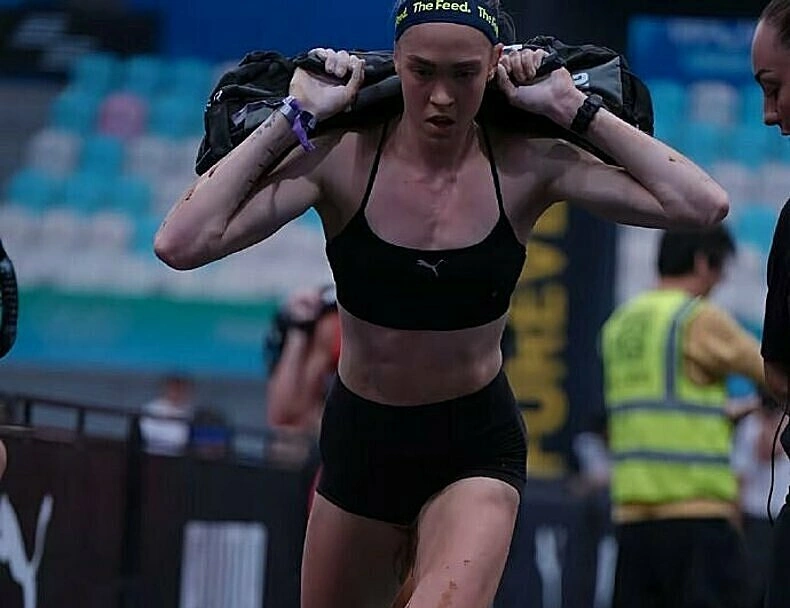
The Women’s Pro category, known for its high intensity and the caliber of its participants, was the setting for the unfolding crisis. Witnesses and fellow competitors reported that Wietrzyk, a world-record holder in the discipline, experienced a severe loss of bowel control shortly after the midpoint of the race. Despite the physical and sanitary implications of the situation, the race continued, and the track, along with shared equipment, became contaminated.

Wietrzyk successfully finished the course with a recorded time of 1 hour, 1 minute, and 23 seconds. Following the event, she posted a photo on her Instagram account depicting her resting on a medical stretcher, accompanied by the caption: "Having competed means having to own it. Winning is still winning." The post was subsequently deleted following a barrage of criticism from followers who questioned the sportsmanship displayed and argued that she should have withdrawn immediately to prevent health risks to other athletes and staff.
The Hyrox Format and Health Risks
Hyrox, which debuted in 2017, is a hybrid fitness race that combines 8 kilometers of running with 8 distinct strength-training stations. Each round consists of a 1-kilometer run interspersed with a functional workout. The stations involve shared equipment such as rowing machines, sled pushes, and sandbag lunges. The design of the race assumes that high-intensity athletes are in peak physical condition; however, the presence of bodily fluids on shared equipment during a high-contact, multi-station event presents significant biohazard concerns.
The incident has highlighted the lack of clear, actionable protocols for such medical emergencies. Spectators and participants have expressed frustration over the fact that, according to witnesses, no immediate sanitation measures were taken. It was reported that some athletes were forced to use the contaminated equipment, and there were allegations of participants slipping on the track due to the nature of the contamination.
Official Response and Organizational Accountability
In the wake of the public outcry, the Hyrox organization issued a formal statement on September 14, 2026. The company acknowledged that the incident represented an unprecedented scenario where the line between professional racing procedures and public event management became blurred, leading to confusion in the application of safety rules.
"As our sport grows, we must confront new and increasingly complex situations that demand clearer regulations," the statement read. Hyrox confirmed that the affected areas had been professionally cleaned and disinfected, and the equipment involved was removed from the competition zone. The organization also condemned the online harassment directed at Wietrzyk, stating that they are currently conducting an internal investigation and will hold those responsible for the communication failure accountable. Furthermore, the organization indicated that it would revise its handbook to ensure that future events prioritize the immediate cessation of competition should a biohazard incident occur.
The Broader Implications for Hybrid Sports
The Beijing incident has prompted a broader discussion about the rapid commercialization and professionalization of hybrid fitness racing. According to Forbes, the valuation of the Hyrox brand surpassed $600 million by the end of 2025. With such significant growth, industry analysts argue that the administrative and medical infrastructure must evolve at a pace commensurate with the sport’s popularity.

Sports commentator Zhu Meng, writing for Global Times, emphasized that the true essence of sportsmanship lies in knowing one’s limits. "A competition should never be continued at the cost of public health and the rights of other athletes," she noted. The incident has also sparked demands for financial accountability, with many attendees—who reportedly paid approximately $150 USD to participate—calling for refunds or compensation due to the compromised safety environment of the race.
Joanna Wietrzyk: Athlete Profile and Context
Joanna Wietrzyk is a well-regarded athlete and personal trainer from Australia, with a foundational background in CrossFit and endurance training. Before her transition to hybrid fitness racing, she was a standout competitor in high-intensity functional fitness circuits. Her performance in the 2026 season had been particularly noteworthy; she dominated the Warsaw Major, where she set a world record in the Women’s Solo Pro division with a time of 54 minutes and 25 seconds.
Her career has been defined by a "win-at-all-costs" mentality, which has served her well in competitive environments like Phoenix, Warsaw, and the World Championships. However, the Beijing incident has created a reputational challenge that goes beyond her athletic achievements. While some supporters argue that her determination reflects the resilience required of an elite athlete, the majority of the sporting community views the incident as a failure of judgment that overshadowed the competition’s integrity.

Analysis of Safety Protocols and Future Directions
The core of the issue lies in the governance of "mass-participation" elite events. Unlike traditional track-and-field events where specific lanes and controlled environments prevent contamination, Hyrox utilizes shared zones that are densely populated throughout the day. The "biohazard" nature of this specific incident was a catalyst for a necessary conversation regarding:
- Immediate Cessation Policies: Establishing a "red-flag" protocol where competition is halted immediately upon the report of a biological spill, regardless of the athlete’s standing.
- Sanitation Infrastructure: Implementing rapid-response cleaning crews stationed at high-risk equipment zones, such as the sled push and rowing areas.
- Medical Oversight: Empowering event medical staff to force a withdrawal if an athlete’s physical condition poses a health risk to the field.
The backlash in China, a massive market for the burgeoning fitness industry, is particularly damaging. Many Chinese participants have voiced their frustration on social media, questioning why the on-site medical team did not intervene sooner. The incident serves as a cautionary tale for organizers of rapidly scaling global sporting events: when the brand becomes larger than the safety measures protecting its participants, the long-term viability of the sport is at risk.
As Hyrox continues to expand into more than 20 countries, the lessons learned from the Beijing incident will likely shape the future of hybrid racing. Whether the organization can regain the trust of its global community depends on the transparency of its upcoming policy revisions and its ability to prioritize athlete health over the continuation of a race. The incident remains a defining moment for the sport—a reminder that in the quest for world records and championship titles, the basic tenets of public health and mutual respect among competitors must remain the highest priority.
Related posts: