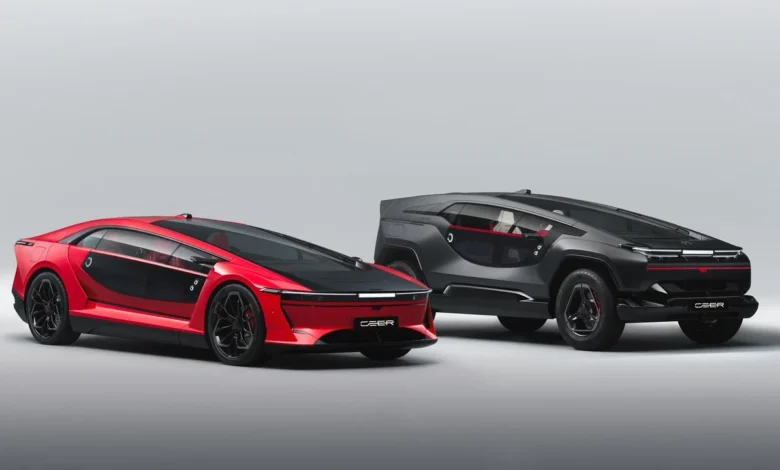
Exobot has officially taken center stage as Saudi Arabia’s bold entry into the global electric vehicle market, marking a transformative milestone for the oil-dependent kingdom. Ceer, the pioneering automotive startup backed by the nation’s Public Investment Fund (PIF) and electronics giant Foxconn, recently unveiled its first two production-ready electric vehicles: a futuristic sedan and an SUV. Coded under the Exobot moniker, these flagship luxury models showcase an avant-garde design language reminiscent of sci-fi spacecraft, complete with signature gull-wing doors. Scheduled to hit the Saudi Arabian market by early 2027, the launch represents a critical pivot in the nation’s Vision 2030 initiative, which seeks to diversify the economy, foster domestic manufacturing, and gradually reduce reliance on petroleum revenues.
The unveiling of the Exobot lineup occurs against the backdrop of a rapidly shifting global automotive landscape. Over the past decade, the industry has experienced its most profound disruption in a century, driven by aggressive Chinese EV manufacturers capturing market share from legacy automakers and accelerating the electrification race. For Saudi Arabia, entering this fiercely competitive arena requires navigating complex economic, logistical, and geopolitical challenges that have historically deterred automotive manufacturing in the region.
Strategic Foundations and the Genesis of Ceer
The establishment of Ceer in late 2022 was designed to overcome the historical hurdles that plagued previous attempts to build an automotive sector in Saudi Arabia. Past ventures faced significant setbacks; plans to construct Jaguar Land Rover facilities in the kingdom were abandoned over a decade ago, and Toyota declined local production partnerships in 2019 due to high labor costs and underdeveloped domestic supply chains.
To mitigate these risks, Ceer has adopted a collaborative global strategy while simultaneously building a robust local component supply chain. By partnering with industry titans—such as Foxconn for electronic architecture and BMW for technical solutions—Ceer has bypassed traditional manufacturing learning curves. Furthermore, generous government incentives have attracted major international automotive suppliers, including Lear from the United States, Shin Young from South Korea, Benteler from Germany, and Fangxin from China, all of which have established production facilities within Saudi Arabia.
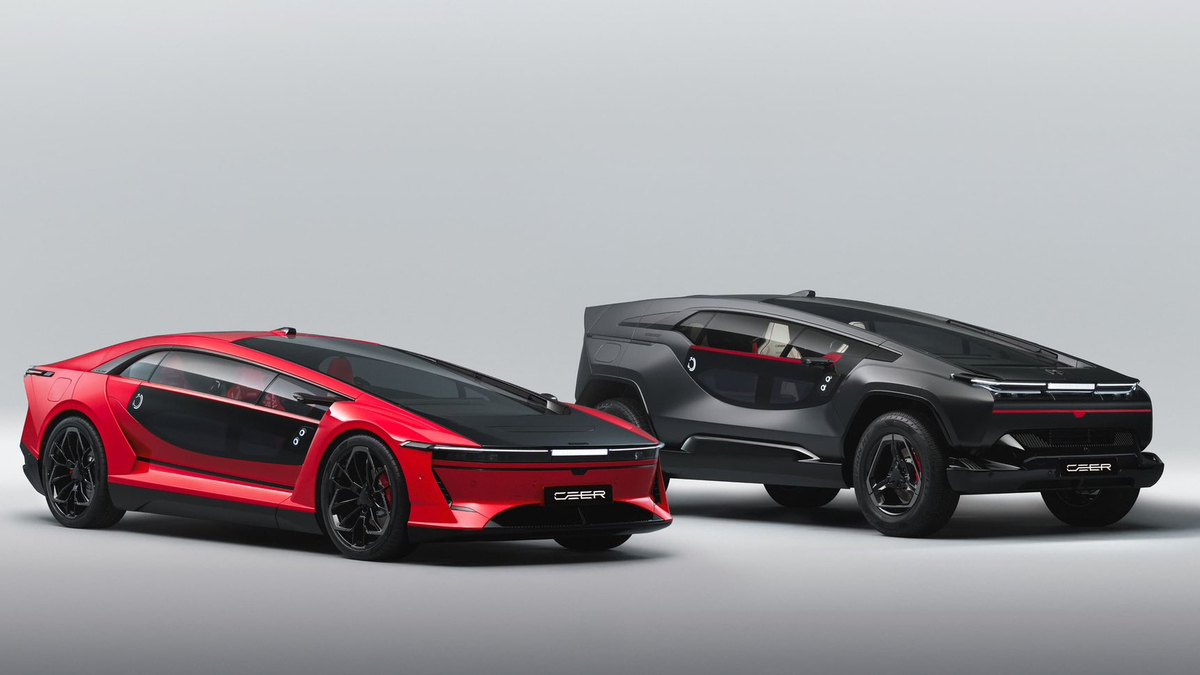
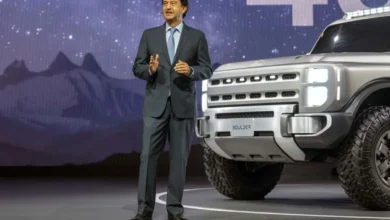
According to Ceer Chief Executive Officer James DeLuca, the company has completely eliminated traditional B-pillars in the Exobot architecture, utilizing advanced high-strength materials to guarantee structural rigidity and safety. "We want the world to see the capability and manufacturing potential of Saudi Arabia," Mr. DeLuca stated during the unveiling event, emphasizing the nation’s ambition to become a credible hub for next-generation mobility.
Design Innovations and Technological Ecosystem
The Exobot sedan and SUV merge striking futuristic aesthetics with state-of-the-art digital infrastructure. The interior cabin is dominated by an expansive 48-inch curved 8K display stretching across the dashboard, complemented by a 10.4-inch central touchscreen and an 8-inch rear passenger entertainment interface. This immersive digital cockpit reflects modern consumer expectations in the luxury EV segment, prioritizing connectivity, automation, and intuitive user experiences.
Underpinning these physical innovations is a flexible manufacturing and product strategy. While initial production focuses exclusively on battery electric vehicles (BEVs), Ceer’s long-term product roadmap incorporates plug-in hybrid electric vehicles (PHEVs) and internal combustion engine models. This adaptability is designed to protect the startup against demand fluctuations and varying paces of infrastructure adoption across different regional markets.
Following the initial 2027 commercial launch in Saudi Arabia, Ceer plans to introduce five additional silhouette models between 2028 and 2030. All upcoming vehicles are engineered to comply with global regulatory standards from inception, ensuring seamless distribution across international territories. The company projects a phased regional expansion starting with neighboring Gulf Cooperation Council (GCC) countries by 2028, followed by a broader rollout across the Middle East and North Africa (MENA) region by 2034.
Navigating Industry Volatility and Financial Realities
Despite boasting deep financial backing from Saudi Arabia’s sovereign wealth fund, Ceer operates within a high-stakes environment where automotive startups face severe mortality rates. In recent years, high-profile American EV startups such as Fisker, Arrival, and Lordstown succumbed to bankruptcy despite early acclaim, high-performance vehicle concepts, and innovative designs. These failures underscore the immense capital intensity, supply chain volatility, and margin pressures inherent in mass-producing automobiles.
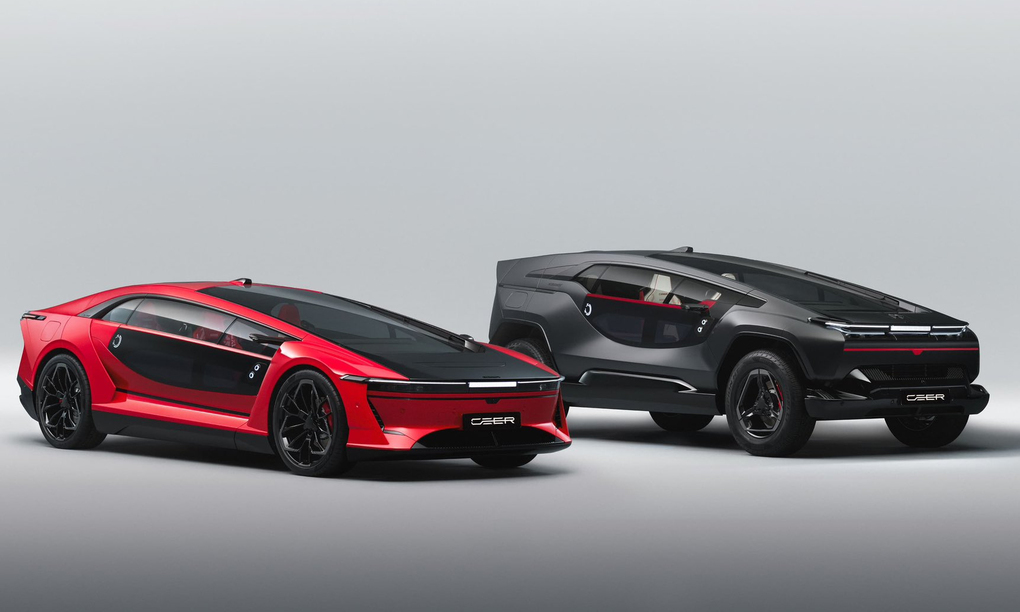
Mr. DeLuca acknowledged these inherent risks, noting that the company must proceed with extreme caution. "We have to move very cautiously," he emphasized. "It only takes one small mistake to tip over a startup."
To safeguard against these pitfalls, Ceer’s leadership has prioritized financial discipline alongside aggressive technological development. The backing of the Public Investment Fund provides a substantial financial cushion, insulating the venture from immediate short-term capital constraints that typically plague independent automotive startups. However, long-term viability will depend heavily on achieving production scale, maintaining strict quality control, and securing consumer acceptance beyond the domestic market.
Broader Implications for the MENA Automotive Sector
The success or failure of the Exobot project carries profound implications for the wider Middle Eastern economy. As regional powers race to prepare for a post-oil future, establishing advanced manufacturing clusters is viewed as essential for retaining domestic talent, creating high-skilled employment opportunities, and integrating into global technology supply chains.
By leveraging foreign expertise while cultivating domestic industrial capacity, Saudi Arabia is attempting to rewrite the playbook for emerging automotive nations. If Ceer successfully delivers on its production timeline through 2030, the kingdom could transform from a passive consumer of imported automobiles into a net exporter of advanced electric vehicles. Conversely, any prolonged delays or manufacturing bottlenecks could prompt a reassessment of industrial diversification strategies across the region.
As the 2027 commercial launch approaches, industry analysts will closely monitor Ceer’s ability to transition from conceptual prototypes to mass-market production. The journey of Exobot is not merely the story of a new luxury vehicle brand; it is a definitive test of whether sovereign wealth and strategic global partnerships can successfully forge a modern automotive industry in the heart of the Arabian Peninsula.
Related posts: