NSUT Cao Minh reveals the reasons for leaving the city to build a private theater on the Tri An island

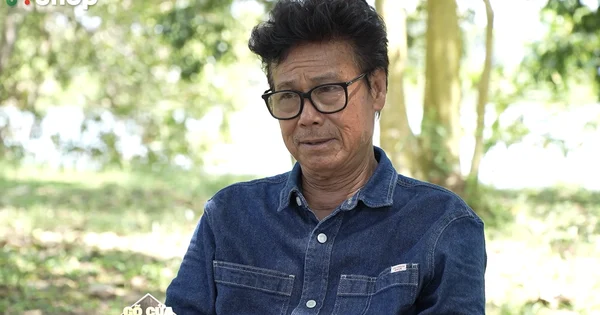
After decades spent under the bright lights of Vietnam’s most prestigious stages, Meritorious Artist (NSUT) Cao Minh has chosen a profound departure from the urban bustle. At 66, the acclaimed singer, often hailed as the "King of Northern Songs in the South," has relocated to the remote reaches of Tri An Lake in Dong Nai Province. This transition is not a retirement, but a radical reimagining of his artistic life, where he has dedicated his remaining years to environmental stewardship, architectural craftsmanship, and the preservation of traditional musical values.
A Journey from the Spotlight to the Wilderness
Born in 1961, Cao Minh built an illustrious career as a vocalist specializing in traditional, revolutionary, and folk music. His resonant baritone and deep emotional range earned him widespread acclaim, positioning him as a cultural icon in Southern Vietnam. However, for the past 28 years, Cao Minh has been meticulously carving out a different existence on a cluster of five islands in Tri An Lake.
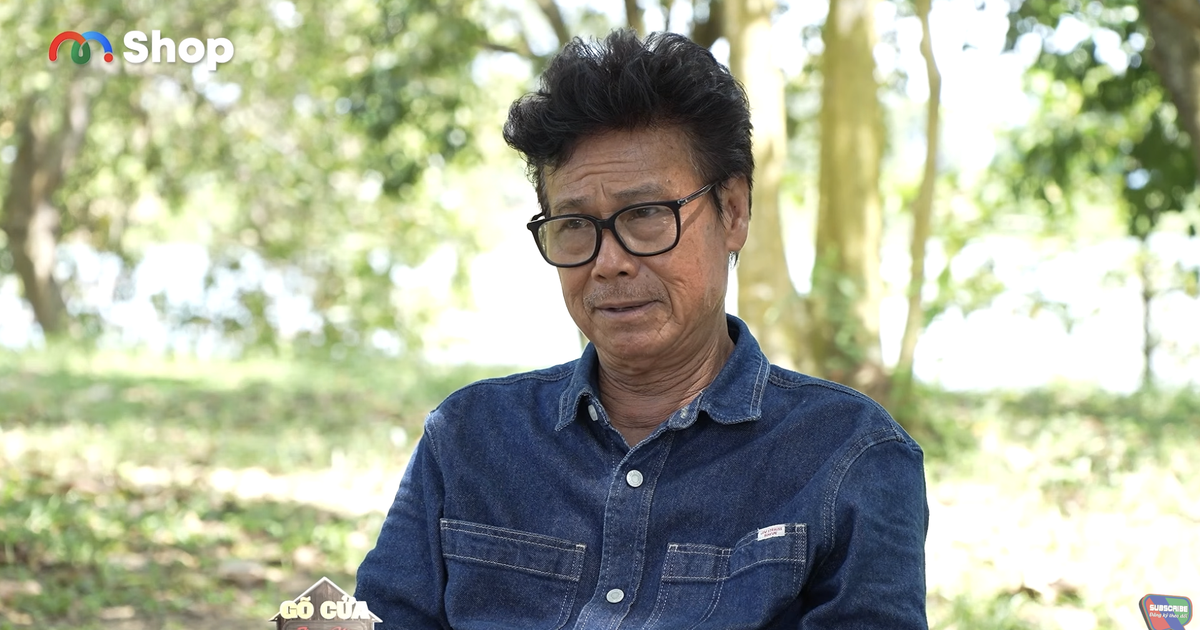
When he first arrived in the late 1990s, the landscape was starkly different. The area was characterized by rugged, difficult terrain with almost no forest cover and limited accessibility. Driven by a vision of harmony between nature and art, the artist purchased the land at a time when it was largely considered undesirable. What followed was a multi-decade project of land reclamation and ecological restoration. Using his own labor and minimal financial resources, Cao Minh systematically transformed the barren topography into a lush, multi-layered ecological sanctuary.
Chronology of a Personal Architectural Feat
The transformation of the Tri An islands represents a labor of love that spans nearly three decades:
- 1997–2000 (The Acquisition Phase): Cao Minh identifies the potential of the rugged, rocky islands in Dong Nai. He begins purchasing land that others had deemed unsuitable for agriculture or development.
- 2000–2010 (The Reclamation Era): The artist hires heavy machinery to reshape the terrain, moving earth to create distinct elevations. Instead of flattening the landscape, he designs it to mimic highland plateaus and low-lying plains.
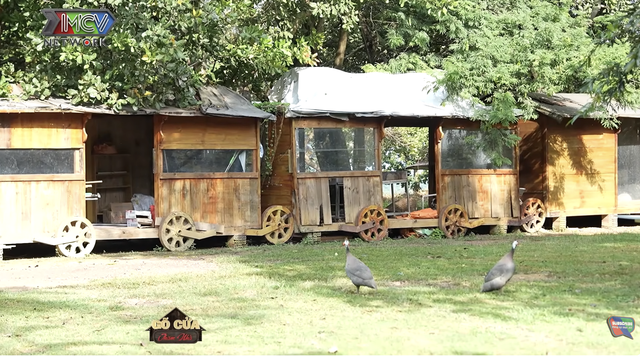
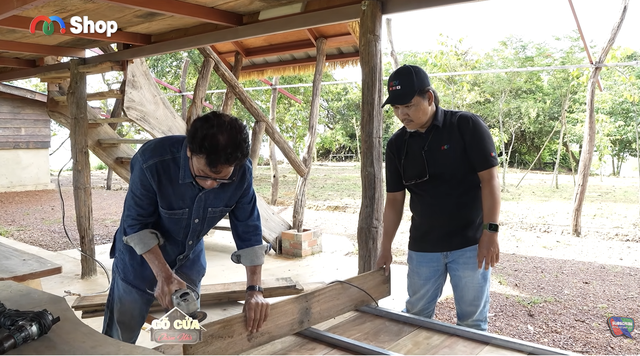
- 2010–2020 (Infrastructure and Ecology): During this decade, Cao Minh focuses on reforestation and building essential structures. He adopts a minimalist approach, scavenging high-quality building materials from urban construction waste—discarded wood, iron, and stone—to construct his residence.
- 2020–Present (The Theater Project): With the ecological foundation established, he shifts his focus toward creating a cultural hub. The centerpiece is a wooden theater designed specifically for its acoustic properties, serving as a sanctuary for his artistic expression.
The Philosophy of the "Wooden Theater"
Central to Cao Minh’s current life is his self-built theater. Crafted from reclaimed wood, the structure is designed to be an intimate performance space. When asked about his architectural choices, the artist explains that he deliberately chose wood not only for its aesthetic resonance with the environment but for its superior acoustic capabilities.
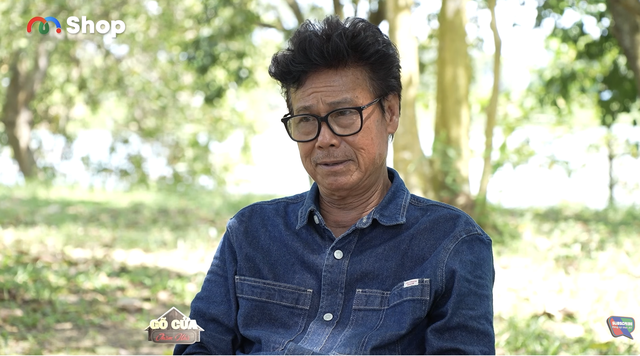
"The theater is an extension of my soul," Cao Minh states. "It is where I address the frustrations that I cannot resolve in the mainstream industry. It is a space for those who truly care about the craft, far removed from the commercial demands of modern show business."
The theater serves as a physical manifestation of his critique of the current music industry. Cao Minh expresses concern over the decline of rigorous, long-term training for vocalists and the rise of fast-paced, superficial entertainment. By building this space, he is not merely creating a venue, but a pedagogical environment where he can teach and preserve the nuances of traditional singing that he believes are being lost.
Financial Reality and Artistic Independence
Unlike many celebrities who embark on grand development projects with the backing of corporate investors, Cao Minh’s endeavor is entirely self-funded. His process is characterized by a "scavenger" mentality—a term he uses with pride. By sourcing materials that others have discarded, he has managed to build an expansive, high-quality facility on a budget that would be considered negligible by modern construction standards.
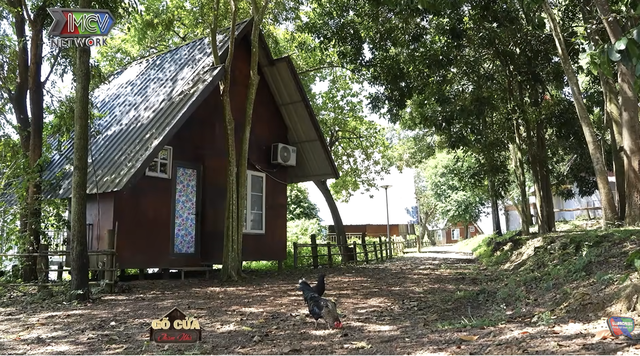
His daily life is equally disciplined. He rises at 4:30 AM and maintains a routine that balances manual labor—such as gardening, carpentry, and site maintenance—with rigorous vocal practice. He views this physical toil as a form of meditation, one that keeps him grounded and provides the emotional depth necessary for his performances.
Broader Impact and Industry Implications
Cao Minh’s self-imposed exile highlights a growing trend among senior artists in Vietnam: the search for autonomy. His move to Tri An underscores a growing dissatisfaction with the "disposable" nature of modern media. Industry analysts suggest that his case is indicative of a broader struggle within the Vietnamese music scene, where traditional artists feel increasingly sidelined by viral, algorithm-driven trends.
The implications of his project extend beyond personal lifestyle choices. By creating an independent venue, Cao Minh is effectively decentralizing cultural consumption. He proves that high-quality, culturally significant art can thrive outside of the major metropolitan hubs like Ho Chi Minh City or Hanoi. His theater acts as a pilot model for how senior artists might preserve their legacy without compromising their standards for commercial viability.
A Legacy of Integrity
Despite his distance from the mainstream, Cao Minh remains a relevant figure. His refusal to participate in performances that he feels lack artistic integrity has sometimes been misconstrued as "difficult" or "out of touch." However, the artist maintains that his standards are a reflection of his respect for the audience.
"If the song doesn’t touch me, I cannot sing it," he notes. "I am not looking for fame anymore. I am looking for the truth in sound and the truth in life."
As he navigates his mid-sixties, Cao Minh is increasingly focused on the transmission of his knowledge. His life on the islands is not one of isolation, but of preparation. He hosts small groups of visitors, enthusiasts, and students who make the arduous journey to his remote home to learn about traditional music, sustainable architecture, and the importance of ecological preservation.
Conclusion
The "Kingdom" of Cao Minh at Tri An is more than just a home or a tourist destination; it is a profound testament to the power of artistic conviction. In an era defined by rapid consumption and digital ephemerality, his multi-decade effort to build a physical space for art stands as a reminder of the enduring value of patience, craftsmanship, and integrity. Whether through the wood he hammers into his theater or the notes he sings within it, Cao Minh continues to shape his legacy on his own terms, far from the noise of the city, yet deeply connected to the heart of Vietnamese culture.
As the music industry continues to evolve, the path chosen by this Meritorious Artist serves as a poignant counter-narrative to the pressures of stardom. By choosing the silence of the forest and the rhythm of the lake, Cao Minh has found a way to keep his art, and his identity, intact. His story remains a critical study for those interested in the intersections of environmentalism, architecture, and the sustainability of traditional arts in the 21st century.
Related posts: