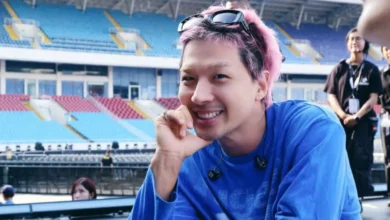
The latest installment in the popular Vietnamese cinematic franchise, Chị Chị Em Em 3, has ignited significant public discourse regarding its creative direction, production standards, and the thematic handling of adult-oriented content. Directed by Nguyễn Hữu Hoàng, the film has drawn attention not only for its box office performance but also for the logistical and emotional complexities faced by its lead actors during the production of intimate sequences. As the film continues its theatrical run, a deeper look into the behind-the-scenes reality reveals the meticulous planning and professional protocols employed to navigate the challenges of modern filmmaking.
Production Dynamics and Professional Protocols
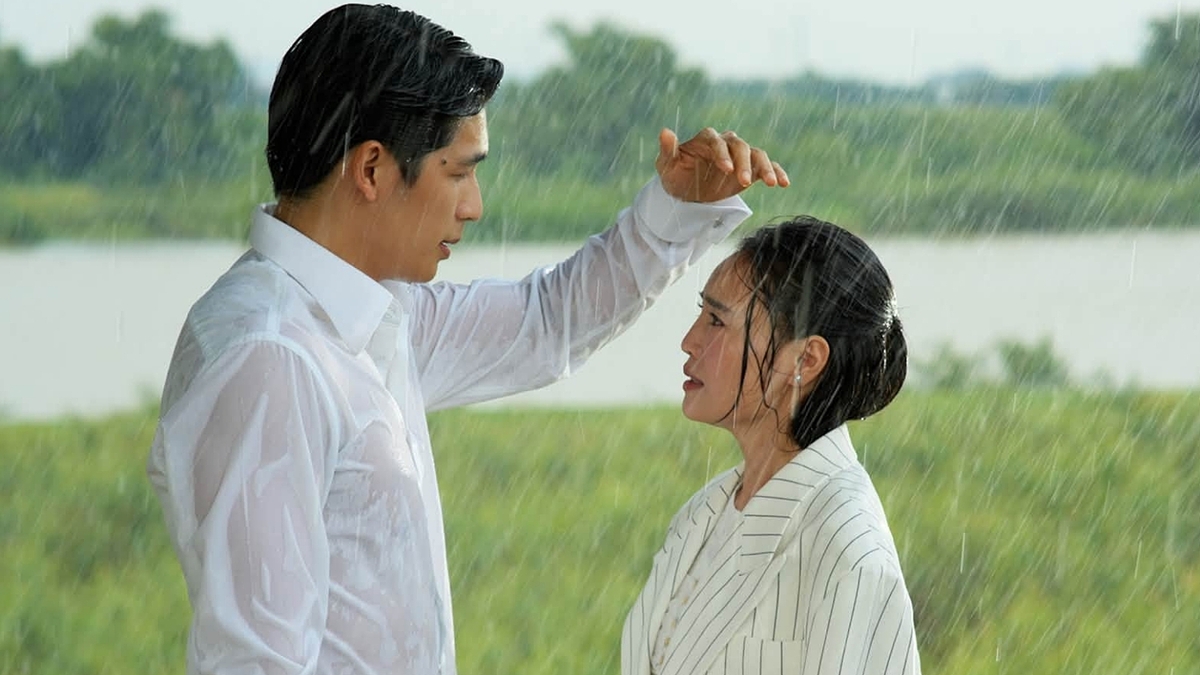
The production of intimate scenes in contemporary cinema requires a delicate balance between artistic vision and actor comfort. Director Nguyễn Hữu Hoàng noted that the most challenging sequences involved the duos of Chi Pu (playing Thúy Nương) and Steven Nguyễn (Văn Cường), as well as Lan Ngọc (Thúy Liễu) and Quốc Anh (Văn Tài). To mitigate potential on-set friction, the production team implemented a rigorous planning schedule. One day prior to filming, the director and his crew conducted detailed rehearsals, mapping out camera angles and blocking to ensure efficiency.
To foster a more relaxed environment and alleviate the pressure often associated with 18+ scenes, the director encouraged the cast to rehearse with a touch of humor. This approach was designed to break the ice and dissipate the tension inherent in filming in confined spaces. According to the production crew, these scenes were shot in sweltering conditions within restricted sets, compounded by the presence of essential technical staff, which naturally increased the pressure on the actors. To maintain focus, Chi Pu and Steven Nguyễn maintained a disciplined routine, limiting external distractions to preserve their emotional continuity throughout the day.
Ensuring Actor Safety and Comfort
A primary concern for the production team was the implementation of strict safety protocols. Nguyễn Hữu Hoàng emphasized the necessity of limiting the number of personnel on set during sensitive takes. By restricting access to only two camera operators and one sound technician, the director aimed to provide the actors with a sense of security and privacy. This "closed set" policy is becoming an industry standard, intended to protect the dignity of the performers while ensuring the artistic integrity of the scene.
Lan Ngọc, reflecting on her experience working with her co-star Quốc Anh—who is younger and had less experience with intimate scenes—highlighted the collaborative nature of their work. "Quốc Anh was understandably more nervous than I was, given his lack of experience with these types of scenes," Lan Ngọc shared. Her role involved not only performing but also supporting her co-star to ensure the narrative’s emotional resonance. She noted that their primary goal was to convince the audience of the sincerity of the love story between Thúy Liễu and Văn Tài, transcending the physical nature of the scenes.
Chronology and Box Office Trajectory
The film, which officially hit theaters in early November 2026, has seen a rapid accumulation of revenue. As of November 6, 2026, the film had reached a domestic gross of approximately 93 billion VND (Vietnamese Dong). This performance places it among the notable successes in the Vietnamese market for the year.
The release timeline reflects a strategic rollout aimed at capturing the interest of the core demographic that has followed the Chị Chị Em Em franchise since its inception in 2019. The franchise, which explores the complex, often dark, and intricate relationships among women in Vietnamese society, has consistently pushed boundaries in its storytelling. The first installment, directed by Kathy Uyên, featured Thanh Hằng and Chi Pu, setting a high bar for the series’ aesthetic and psychological depth. The second installment, released in 2023 by Vũ Ngọc Đãng and featuring Ngọc Trinh and Minh Hằng, pivoted to a period setting, further diversifying the franchise’s stylistic range.
Thematic Analysis and Narrative Implications
Critics and audiences have expressed varying opinions on the inclusion of 18+ sequences in the third installment. Some argue that the frequency of these scenes does not always contribute meaningfully to the "turning points" of the narrative. In response, director Nguyễn Hữu Hoàng defended these artistic choices, stating that each scene serves to peel back the layers of the characters’ psyches, exposing their inner desperation and forbidden desires.
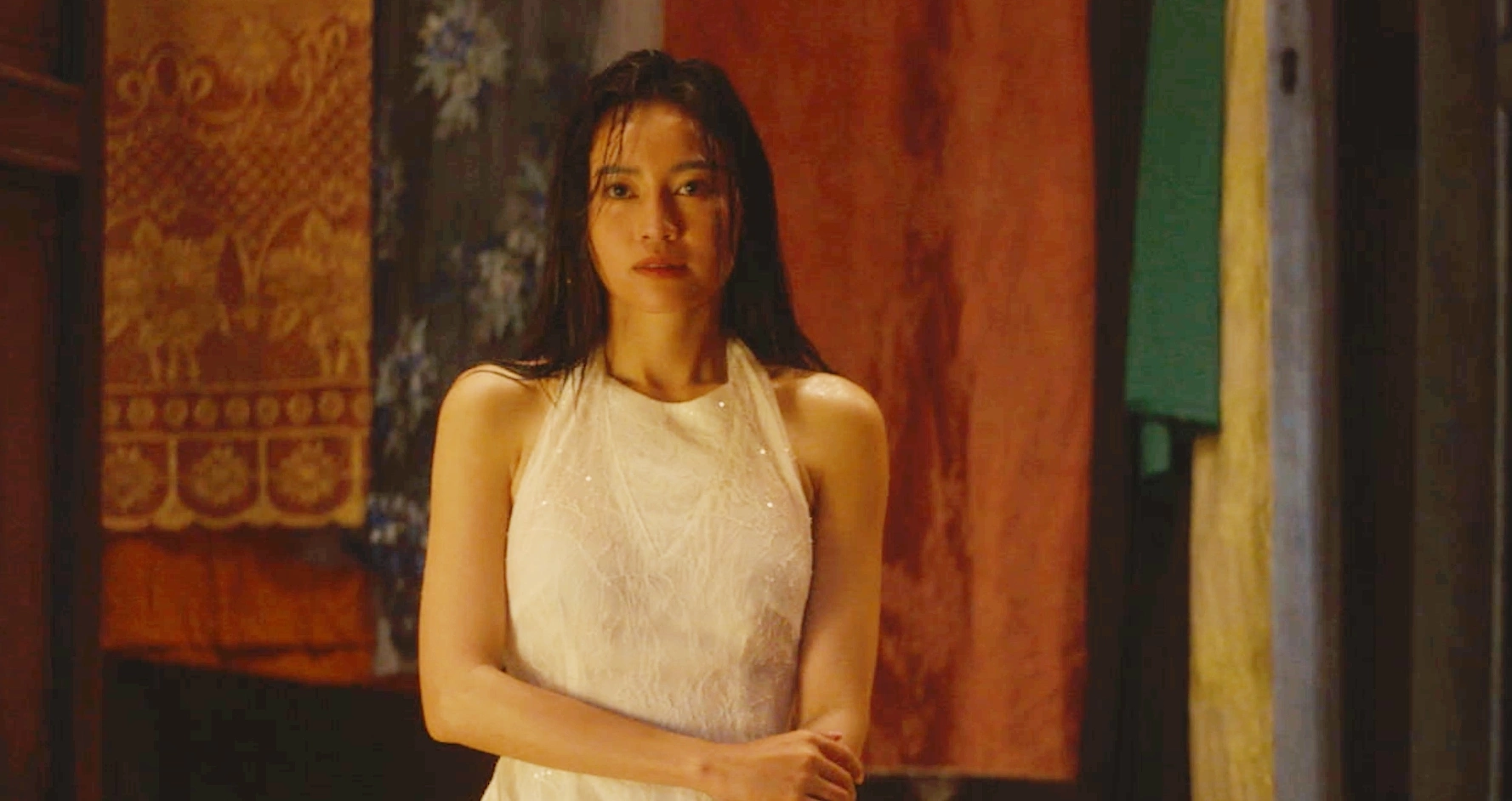
The film is set in the rural landscape of Northern Vietnam, revolving around the character Thúy Mẫu (played by Kỷ Duyên), who is engaged to be married to the affluent Văn Tài. The story takes a turn with the arrival of Thúy Liễu, a relative who returns to her hometown with her partner, Văn Cường. The subsequent reunion sparks a resurgence of dormant feelings between Liễu and Tài. Simultaneously, Thúy Nương, Tài’s adopted younger sister, harbors her own unrequited feelings for him. This tangled web of jealousy, societal expectations, and personal calculation forms the backbone of the film’s conflict.
The inclusion of infidelity as a central theme has invited debate, particularly regarding how the film portrays extramarital affairs. By framing these relationships as a form of "defiant love," the screenplay challenges traditional moral binaries, a move that has been both praised for its boldness and criticized for its potential to glorify non-traditional relationships.
Dialogue and Modernity
One point of critical contention has been the use of modern, contemporary dialogue in a film ostensibly set in the early 20th century. The juxtaposition of archaic settings with modern linguistic patterns has led to feedback that the dialogue feels jarring. Nguyễn Hữu Hoàng explained that this stylistic choice was intentional. He aimed to balance the historical context with accessible language to ensure that the audience remains connected to the characters’ motivations, rather than getting lost in the formality of period-appropriate speech. He noted that using too many archaic terms could alienate the viewer, creating a barrier to the emotional core of the story.
Broader Industry Impact
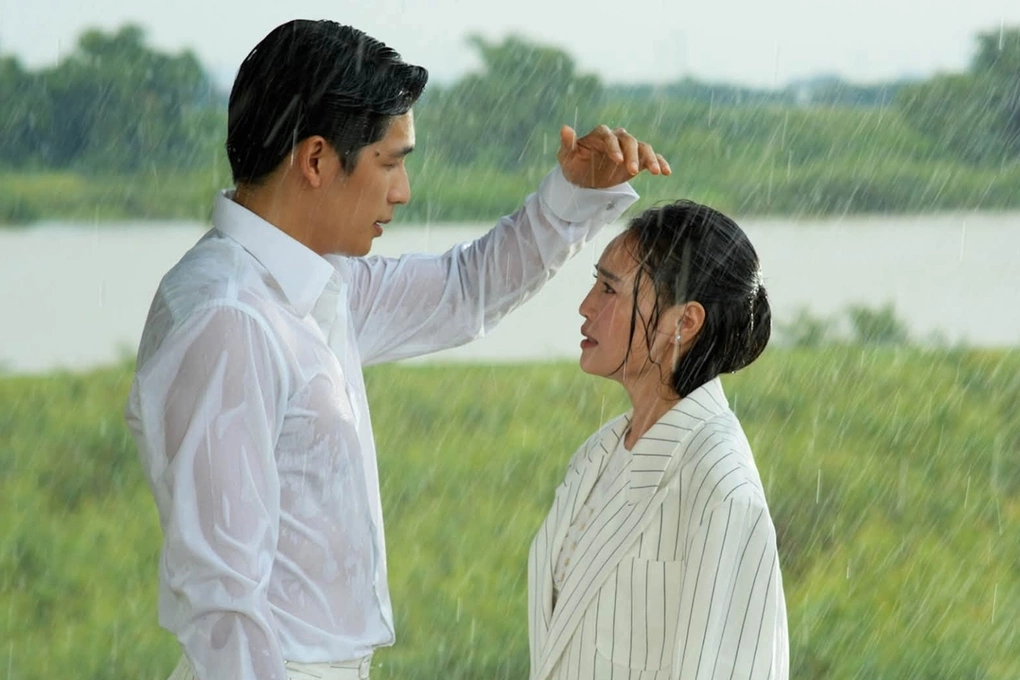
The Chị Chị Em Em franchise represents a significant shift in Vietnamese commercial cinema, moving toward more mature, character-driven narratives that are willing to tackle taboo subjects. By continuously evolving its genre—from thriller-drama to period piece to psychological romance—the franchise has maintained relevance with an evolving audience.
The production of Chị Chị Em Em 3 illustrates the ongoing maturation of the Vietnamese film industry, particularly in the management of high-stakes, sensitive content. The focus on actor safety, the adoption of international-standard on-set protocols, and the conscious effort to align intimacy with character development suggest a shift toward more professional and intentional filmmaking practices.
As the film continues its theatrical run, its ultimate legacy will likely be measured by its ability to provoke discussion on the nature of desire and the boundaries of cinematic storytelling. Whether viewed as a successful commercial venture or a provocative piece of art, the film remains a testament to the industry’s desire to experiment with complex human narratives in an increasingly globalized market. The box office results, despite the critical debate, underscore a robust public appetite for local content that challenges conventions and explores the darker, more intricate facets of human relationships.