Cá tuyết có thực sự tốt như lời đồn? Chuyên gia dinh dưỡng lên tiếng về mức giá 600.000 đồng/kg

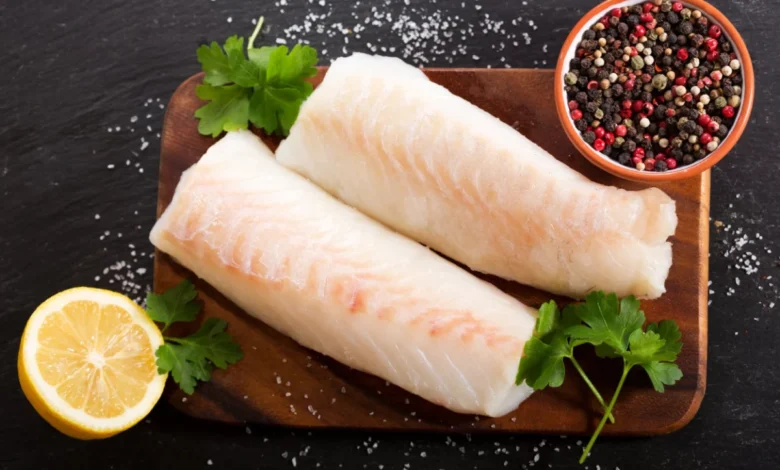
Cod, widely known in Vietnam as cá tuyết, has long held a reputation as a luxury seafood item, frequently marketed for its delicate white flesh, mild flavor, and impressive nutritional profile. With current market prices fluctuating between 500,000 VND and 900,000 VND per kilogram—and commonly advertised around 600,000 VND/kg on various digital platforms and gourmet grocery stores—consumers are increasingly questioning whether this imported delicacy truly justifies its steep price tag.
As health-conscious consumers seek optimal dietary choices for fitness, weight management, and general wellness, understanding the real nutritional value of cod versus more budget-friendly alternatives has become a central topic in modern dietary discussions. Experts in food technology and nutritional science emphasize that while cod is undeniably a high-quality food source, its economic cost does not always align proportionally with its health benefits when compared to other accessible marine or freshwater fish.
Nutritional Composition and Health Benefits of Cod
Revered in culinary circles across North America and Europe, cod is native to the cold, deep waters of the North Atlantic and Pacific oceans. In the Vietnamese market, it is predominantly retailed in supermarkets and specialized imported food stores in the form of skinless fillets or thick steaks. The flesh is naturally bright white, possesses minimal small bones, and is highly versatile, lending itself well to pan-searing, baking with garlic and herbs, steaming, or incorporating into rich chowders and soups.
According to comprehensive dietary data published by the United States Department of Agriculture (USDA), a standard 100-gram serving of cooked cod provides approximately 18 grams of high-quality protein, alongside significant amounts of vitamin B12, phosphorus, selenium, iodine, and trace levels of omega-3 fatty acids.
High-Quality Protein Source
Cod serves as an exceptional source of lean protein, delivering essential amino acids that the human body cannot synthesize independently. Protein is foundational for constructing, repairing, and maintaining muscle mass, cellular integrity, and enzymatic functions. Because cod offers a high protein-to-calorie ratio with very low fat content, it is frequently recommended by sports nutritionists and dietitians for individuals engaged in rigorous athletic training, older adults seeking to prevent age-related muscle atrophy (sarcopenia), and those undergoing weight management programs.
Essential Micronutrients: Vitamin B12, Iodine, and Selenium
The presence of vitamin B12 in cod is crucial for neurological health, DNA synthesis, and the formation of healthy red blood cells. A deficiency in vitamin B12 can precipitate megaloblastic anemia, chronic fatigue, peripheral neuropathy, and cognitive decline. Incorporating cod into a varied diet helps mitigate these risks.
Furthermore, cod is a reliable source of dietary iodine, a trace mineral required by the thyroid gland to synthesize hormones that regulate basal metabolic rate, energy production, and cellular growth. Coupled with selenium—a powerful antioxidant that supports thyroid function and defends cellular structures against oxidative stress—cod contributes significantly to endocrine health.
Omega-3 Fatty Acids and Phosphorus
While cod is classified as a white fish rather than an oily fish, it still contains beneficial omega-3 polyunsaturated fatty acids, including EPA (eicosapentaenoic acid) and DHA (docosahexaenoic acid). Although its omega-3 content is lower than that of fatty fish like salmon, mackerel, or sardines, these essential fatty acids contribute to cardiovascular health by helping to regulate blood pressure and reduce systemic inflammation.
In addition, the phosphorus content in cod plays an active role in skeletal mineralization, forming hydroxyapatite crystals in bones and teeth while supporting cellular energy metabolism. When paired with calcium-rich foods, leafy greens, and dairy products, cod fits seamlessly into a balanced dietary matrix aimed at preserving long-term bone density.
Expert Perspectives and Economic Reality
Addressing consumer inquiries regarding whether premium-priced cod is an indispensable dietary requirement, Associate Professor Nguyen Duy Thinh, a former lecturer at the Institute of Food Technology under the Hanoi University of Science and Technology, provided professional consultation.
According to Associate Professor Thinh, while cod is undeniably nutritious, consumers are by no means obligated to break their financial budgets by purchasing expensive imported fish to maintain optimal health. Modern nutritional science confirms that the specific nutrients found in cod—such as lean protein, B-vitamins, phosphorus, and trace minerals—are widely available in a multitude of domestic, locally sourced, and affordable seafood options, including freshwater carp, tilapia, mackerel, and various indigenous marine fish species that enter seasonal abundance.
"Consumers should evaluate their household budgets realistically," Dr. Thinh noted. "High nutritional value does not exclusively belong to expensive imported commodities. A balanced diet relies on variety, food safety, and sustainable purchasing habits rather than the prestige of a specific ingredient."
Market Evaluation, Selection Criteria, and Food Safety
For consumers who choose to purchase cod—whether for special family meals, therapeutic dietary needs, or culinary exploration—understanding proper selection and food safety protocols is paramount. Because cod is predominantly imported in frozen or chilled fillet formats, improper cold-chain management can severely degrade its quality and safety profile.
Guidelines for Selecting Fresh and Frozen Cod
- Visual Inspection of Whole Fish: If purchasing fresh whole cod or large steaks from specialized fishmongers, look for clear, convex eyes, firm and elastic flesh, bright skin with a natural sheen, scales that adhere tightly to the dermis, and a clean, mild oceanic scent devoid of any ammonia-like or overly fishy odors.
- Evaluating Fillets: When buying cod fillets, select pieces that display a natural, translucent white color. Avoid fillets that appear excessively dry, yellowish, or woody in texture, as these are indicators of freezer burn or prolonged storage.
- Packaging and Traceability: Prioritize vacuum-sealed products that clearly display country of origin, importer information, production dates, and batch numbers. Ensure that retail freezers maintain stable sub-zero temperatures.
Food Safety and Allergy Considerations
As with all seafood, cod must be cooked thoroughly to internal temperatures recommended by food safety authorities to eliminate potential parasitic or bacterial contamination. Furthermore, individuals with diagnosed marine protein allergies or specific sensitivities to gadiform fish must strictly avoid consumption.
Broader Implications for Modern Diets
The ongoing market fascination with premium imported items like cod reflects a broader cultural shift toward health-conscious eating and culinary experimentation in urban centers across Vietnam. However, nutritionists caution against the misconception that health benefits scale linearly with price.
Public health campaigns increasingly emphasize that sustainable nutrition is achieved through dietary diversity rather than reliance on single, high-cost superfoods. By combining locally available protein sources, seasonal vegetables, whole grains, and diverse seafood options, consumers can achieve superior nutritional outcomes without financial strain. Ultimately, an informed approach to grocery purchasing empowers households to prioritize both physiological well-being and economic stability.