Tension Surges Across the United States as Voters Head to the Polls in High-Stakes Midterm Elections

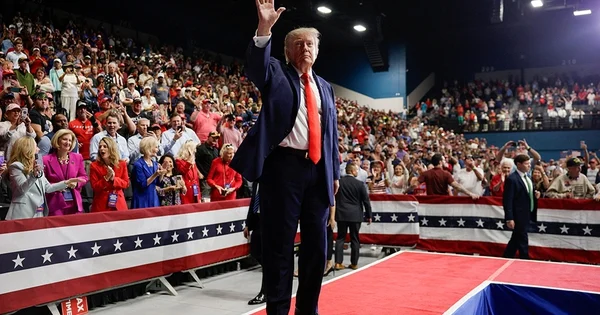
The United States has entered the final, frantic week of the midterm election cycle, a period characterized by intense political polarization as the Republican and Democratic parties scramble to secure the support of a deeply divided electorate. With the official polling date of November 3 set to determine the legislative balance of power, the nation is witnessing a historic surge in early voting, reflecting both the urgency of the political climate and the mobilization efforts of both major parties.
The current landscape of American politics is defined by a narrow margin of control in the Senate, where Republicans currently hold a 53-47 majority. Democrats require a net gain of at least four seats to flip the chamber, a goal that has turned previously overlooked races into battlegrounds of national significance. As the clock ticks down, the atmosphere in key states is charged with unprecedented levels of political friction, legal maneuvering, and even the looming threat of severe weather that could disrupt voter turnout.
Historic Early Voting Patterns
Data released by the Associated Press confirms that over 50 million Americans have already cast their ballots, shattering previous records for midterm participation. This surge is particularly pronounced in states with highly competitive Senate races, including Maine, Michigan, North Carolina, and Kansas. In these jurisdictions, early turnout has increased by as much as 30% compared to the midterm elections held four years ago.
Political analysts suggest that this mobilization is the result of a multi-faceted strategy. Both parties have invested heavily in get-out-the-vote (GOTV) operations, utilizing digital advertising, localized grassroots door-knocking, and sophisticated data targeting. The increased participation is also a reflection of high voter engagement, driven by concerns over inflation, reproductive rights, and the future of the federal judiciary.
Internal Strife and Shifting Loyalties
The path to victory for the Democratic Party has been complicated by internal discord, most notably in Michigan. A high-profile rift has emerged between Democratic Senate candidate Abdul El-Sayed and Representative Haley Stevens. The friction escalated after Stevens publicly demanded that El-Sayed condemn a political advertisement, which suggested that U.S. foreign aid to Israel is a contributing factor to the rising cost of living within the United States.
El-Sayed has formally denied any personal alignment with the content of the advertisement, yet the public dispute has provided a distraction from the core issues his campaign intended to emphasize, such as healthcare reform and economic relief. Party leadership is increasingly concerned that this public disagreement may alienate moderate voters or cause disillusionment among the base, potentially creating a vacuum that the Republican opposition is eager to exploit.
Meanwhile, the Republican Party, while generally maintaining a unified front, faces a surprising challenge in Texas. Traditionally a stronghold for the GOP, the state has become a focal point of concern for party strategists. The race between incumbent Attorney General Ken Paxton and Democratic challenger James Talarico has tightened unexpectedly. Reports from The Washington Post indicate that while many Republican voters remain loyal, there is a measurable decline in enthusiasm among a segment of the electorate dissatisfied with rising fuel prices, food costs, and the personal scandals surrounding Paxton. Conversely, Democratic turnout in urban centers has hit record levels, with the party successfully expanding its reach into rural, traditionally conservative regions.
Presidential Intervention and Campaign Strategy
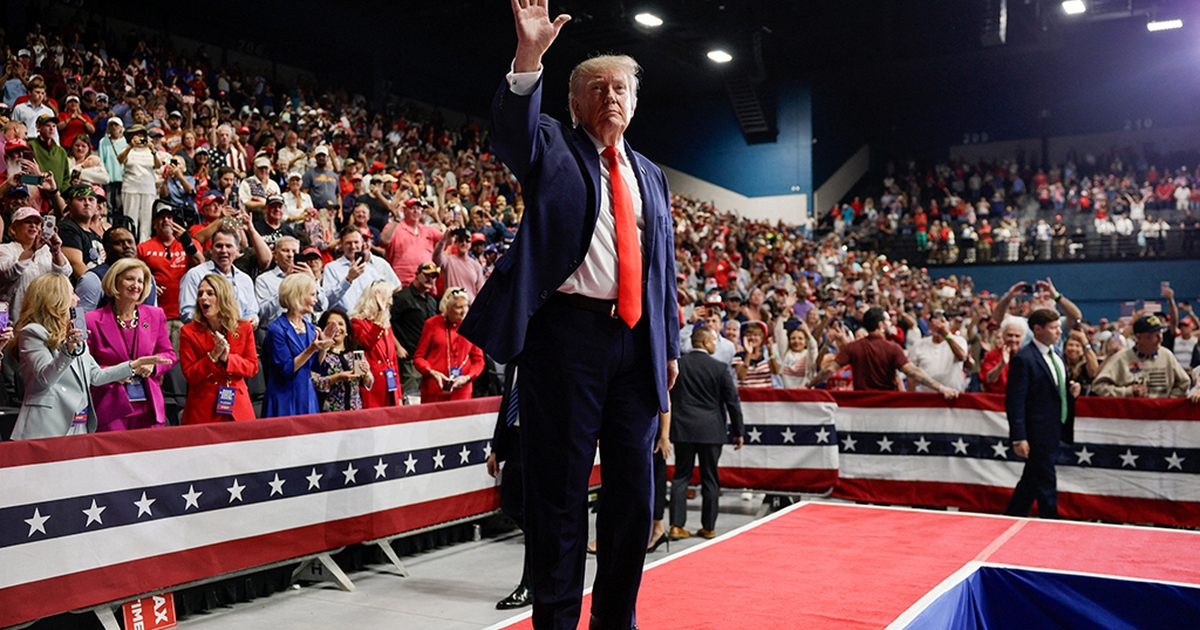
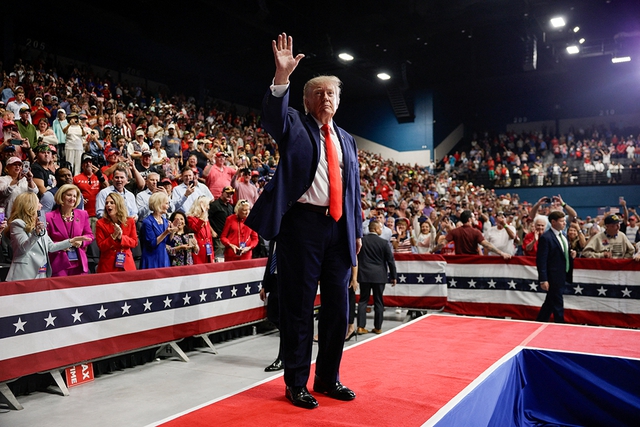
Recognizing the volatility of the final days, President Donald Trump has significantly ramped up his campaign activities. After initially canceling several stops due to scheduling conflicts, the President has resumed a vigorous itinerary of "last-mile" rallies. CNN reports that Trump is slated to hold direct, in-person events in Iowa and Kansas, states deemed vital for maintaining the Republican momentum.
Beyond physical appearances, the White House is coordinating a series of virtual town halls. By leveraging phone-bank technology and live-streamed events, the President is attempting to rally support for Republican candidates in critical battleground states such as Pennsylvania, Ohio, New York, Michigan, and Florida. Republican strategists argue that this digital presence allows the President to maintain a continuous, high-visibility profile, effectively dominating the media cycle and keeping the party’s base energized until the final ballot is cast.
The Legal Battlefield
The midterm elections are not merely a contest of candidates; they have become a complex legal theater. On October 31, the U.S. Department of Justice filed an appeal in a federal court in California, seeking to overturn a ruling issued just one day earlier by Judge Trina Thompson.
Judge Thompson’s initial injunction, set to expire on November 16, mandated that the Trump administration cease any actions that would pressure local election officials to pause the counting of ballots from voters flagged as non-citizens. This move followed the Justice Department’s earlier issuance of letters to 57 out of 58 counties in California, demanding that local officials cooperate with federal investigations into allegations of non-citizen voting. Failure to comply, the Justice Department warned, could lead to formal investigations.
Judge Thompson’s intervention highlights the ongoing tension between federal oversight and local election autonomy. While the government justifies these actions as necessary steps to ensure election integrity, critics and judicial observers argue that such interventions create unnecessary chaos in the administration of elections, potentially infringing on the rights of legal, registered voters. The outcome of this legal standoff will likely influence the public’s perception of election legitimacy in the immediate aftermath of the vote.
Environmental Hurdles: The "Election Day Storm"
Adding to the volatility of this cycle is the prospect of adverse weather. CNN reports that a significant storm system is currently forming over the Pacific and is projected to move into the central United States on November 3. Meteorologists warn that the storm could bring heavy rain, thunderstorms, and high winds to states that are currently the most fiercely contested, including Iowa, Kansas, Michigan, and Texas.
The potential for flooding and infrastructure damage raises concerns about voter access. Historically, poor weather has been correlated with a reduction in in-person voter turnout. Research into election behavior suggests that even moderate weather disruptions can decrease participation by a statistically significant margin, particularly among elderly voters and those reliant on public transportation. Election officials in these states are now preparing contingency plans, including the potential for extending polling hours or providing alternative transportation, though such measures are often subject to local regulations and funding constraints.
Broader Implications and Analysis
The 2026 midterms represent a critical juncture for the American political system. The results will not only dictate the legislative agenda for the remainder of the presidential term but will also signal the efficacy of current national campaign strategies.
Several key implications emerge from the current environment:
- Legislative Gridlock vs. Mandate: If the Democratic Party manages to secure the four seats required to take the Senate, the legislative landscape will shift from a system of divided government to one of obstructionism or forced compromise. Conversely, a Republican hold would likely solidify the administration’s existing policies and further entrench the current political divide.
- The Evolution of Voting: The record-breaking early voting numbers indicate a permanent shift in how Americans participate in democracy. Mail-in and early in-person voting are no longer niche options but are now the primary modes of participation. This transition requires significant adaptation from election administrators to ensure that the increased volume is processed efficiently and transparently.
- Judicial Influence: The increased reliance on the judiciary to settle election disputes suggests that the courts will remain a central arena for political conflict. The ruling in California is just one example of how legal interpretations of voter eligibility can impact the outcome of an election before the votes are even tallied.
- Economic Sentiment: The focus on the cost of living—specifically fuel and food prices—suggests that economic anxiety remains the primary driver for the average voter. Regardless of the party in power, the next Congress will face immense pressure to address these inflationary concerns, which are currently being leveraged by both sides to gain a competitive edge.
As the nation approaches November 3, the rhetoric from both parties is expected to intensify. The convergence of historical voter turnout, ongoing legal battles, and the unpredictability of weather creates an environment where the margin for error is razor-thin. For both Republicans and Democrats, the focus remains on securing every possible vote, knowing that in a polarized nation, the smallest of margins could determine the course of the country for years to come. The upcoming election is, in every sense, a test of the resilience and the mechanics of the American democratic process.