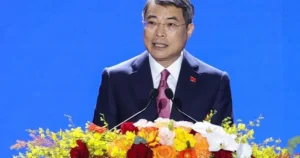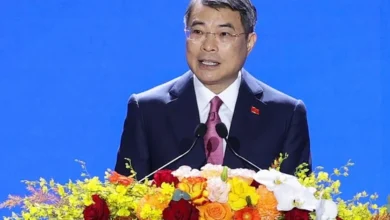
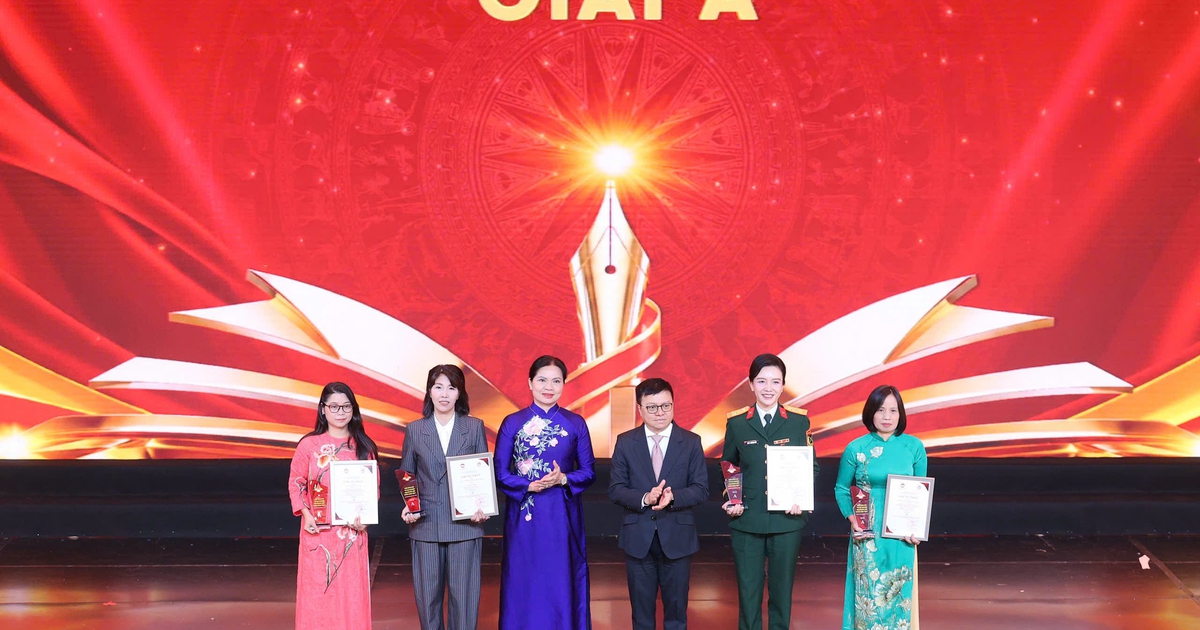
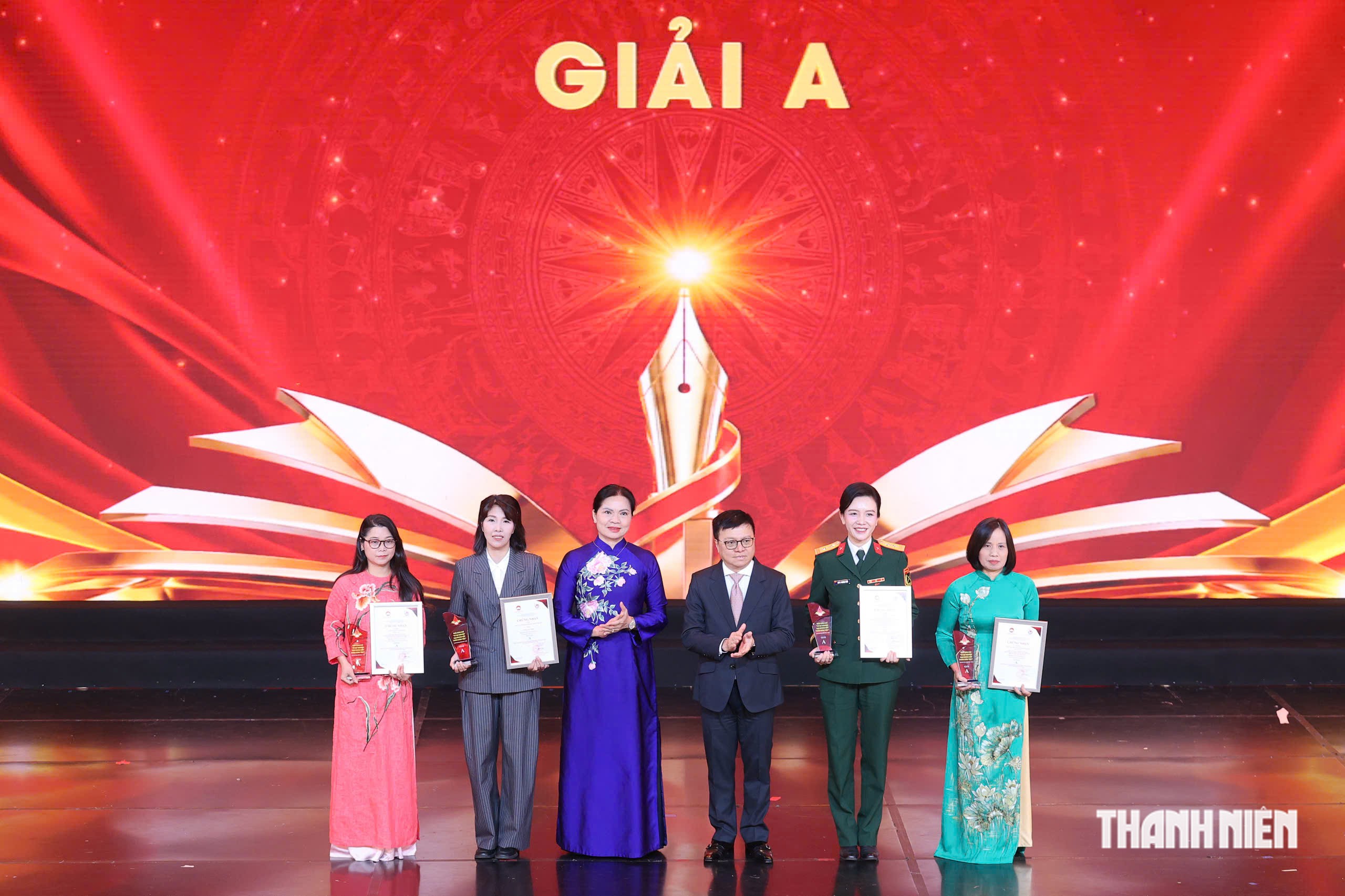
On the evening of November 11, in the capital city of Hanoi, the Standing Board of the Vietnam Fatherland Front (VFF) Central Committee, in collaboration with the General Department of Politics of the Vietnam People’s Army and the Vietnam Journalists Association, hosted the prestigious awards ceremony for the 17th iteration of the "For the Cause of Great National Unity" Journalism Awards. The event served as a high-profile platform to honor excellence in media coverage that strengthens the social fabric and promotes the collective identity of the Vietnamese people.
Context and Significance of the 17th Annual Awards
The "For the Cause of Great National Unity" journalism competition has evolved into one of the most significant media events in Vietnam, focusing on the role of the media as a bridge between the Party, the State, and the citizenry. The 2025–2026 cycle marked a particularly rigorous selection process, attracting 2,767 entries from across the country.
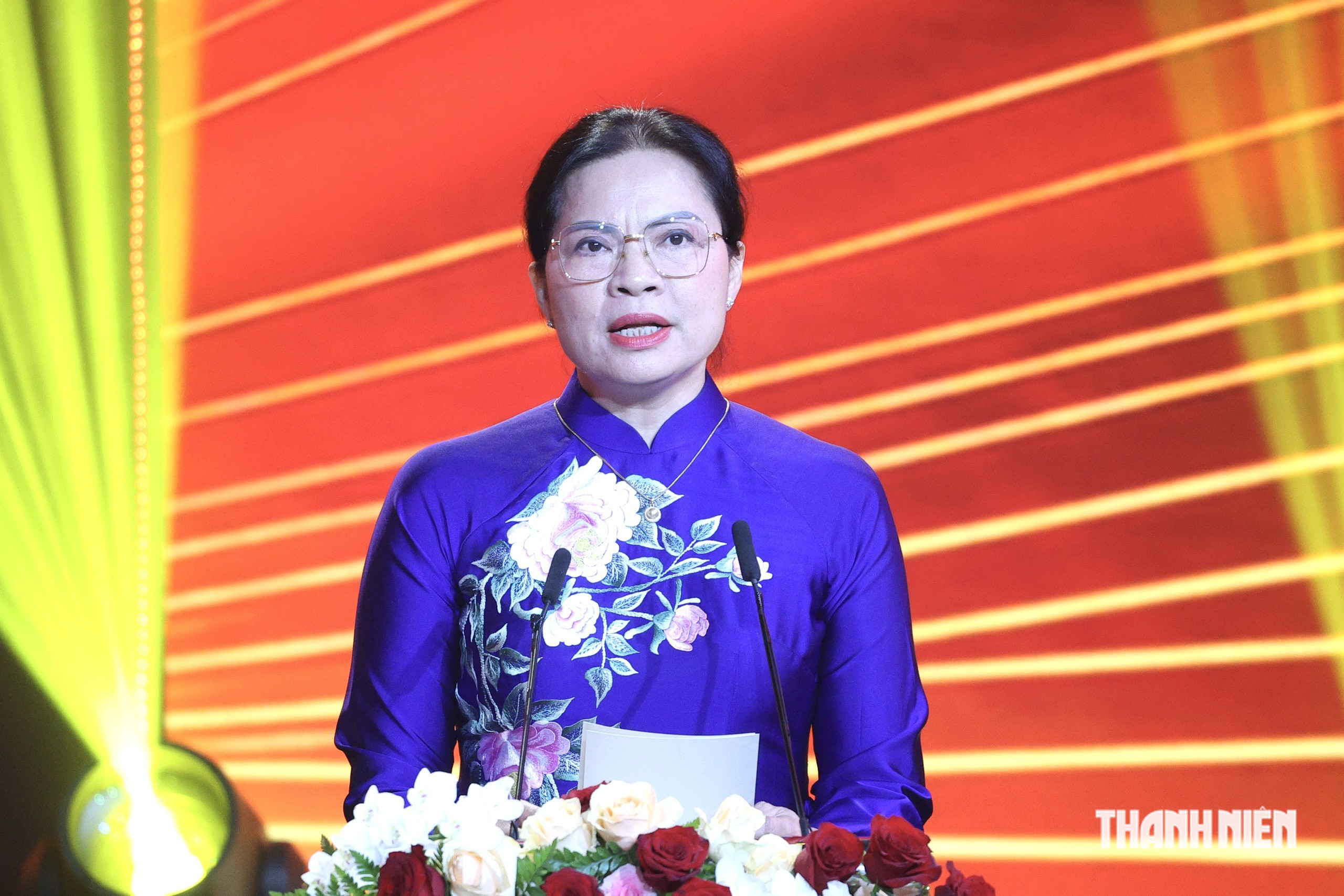
The event was attended by prominent figures, including Pham Tat Thang, member of the Party Central Committee and Deputy Head of the Central Commission for Mass Mobilization; Ha Thi Nga, member of the Party Central Committee and Vice Chairwoman and General Secretary of the VFF Central Committee; and Le Quoc Minh, member of the Party Central Committee, Deputy Head of the Central Propaganda Department, Editor-in-Chief of Nhan Dan Newspaper, and Chairman of the Vietnam Journalists Association.
Key Objectives and Thematic Scope
The awards are designed to recognize journalistic works that provide in-depth analysis of the VFF’s activities, the implementation of grassroots democracy, and the success of socio-political movements. A primary criterion for the jury was the ability of the articles to reflect the "pulse of the nation"—capturing the aspirations of diverse social groups, from youth organizations to ethnic minorities and religious communities.
The entries this year were characterized by their diversity in form, ranging from investigative print journalism and photo essays to multimedia digital storytelling. Many entries focused on the practical application of the resolutions from the 14th National Party Congress and the 11th National Congress of the Vietnam Fatherland Front, which sets the agenda for the 2026–2031 period.
Official Directives: The Role of Media in Governance
During the ceremony, Ha Thi Nga emphasized that the media’s function extends beyond mere reporting; it acts as a critical feedback mechanism for the government. She explicitly called for journalists to serve as conduits for the public’s grievances and aspirations. "The strength of the Fatherland Front is the strength of the people’s heart," Nga stated. She urged the press to remain vigilant in identifying systemic bottlenecks and social injustices that hinder national progress.
The directive underscored a strategic shift in the expectations placed upon the Vietnamese press. Beyond celebrating achievements, journalists are encouraged to engage in "constructive criticism"—a practice where media outlets identify obstacles and propose policy solutions to facilitate better governance. This approach is intended to enhance the transparency of local government administrations and provide the VFF with the data required for effective social oversight.
Chronology and Data Analysis of the Competition
The selection process for the 17th awards followed a strict multi-stage evaluation protocol:
- Submission Phase: 2,767 entries were received, reflecting a high level of engagement from both veteran investigative reporters and regional correspondents.
- Initial Screening: A panel of experts evaluated the entries based on thematic relevance, investigative depth, and adherence to editorial standards.
- Final Selection: 116 works were shortlisted for the final round, culminating in 90 winning entries.
- Awards Distribution: The prizes were categorized into 4 A-tier awards, 15 B-tier awards, 29 C-tier awards, and 42 honorable mentions.
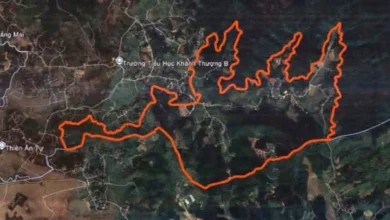
Among the notable winners was the Thanh Nien Newspaper, which secured a C-tier award for the five-part investigative series titled "Làng Cam" trên đất Việt (The "Orange Village" on Vietnamese soil), authored by Tran Van Hieu. The series was lauded for its profound social impact and its investigative rigor in documenting historical and ongoing issues affecting the community.
Media as a Catalyst for National Unity
The broader implication of this event lies in the evolving relationship between the media and the state in the digital age. In an era of rapid information dissemination and the proliferation of digital content, the VFF emphasized the need for "mainstream information"—reliable, verified reporting that guides public opinion and counters misinformation.
The speakers noted that journalists must continue to accompany the Fatherland Front in disseminating Party policies and state laws. By highlighting the efforts of everyday heroes and successful grassroots models, the media contributes to a culture of empathy and unity. This, in turn, is expected to foster a stronger national identity and bolster the country’s resilience in the face of modern challenges, both domestic and international.
Analytical Outlook: Implications for Future Journalism
The emphasis on "listening to the people" and "promptly detecting bottlenecks" signals an ongoing effort to professionalize the investigative capacity of the Vietnamese press. For many in the industry, the ceremony served as a reminder that investigative journalism—when done responsibly—is a vital tool for preventing corruption, waste, and bureaucratic inefficiency.
Furthermore, the integration of new technologies in the winning entries—such as interactive graphics and video reporting—demonstrates that the media sector is adapting to changing consumption habits. The ability to reach audiences through digital platforms is now seen as essential for maintaining the relevance of the VFF’s core messages.
Conclusion: A Call to Action
As the 17th "For the Cause of Great National Unity" Journalism Awards concluded, the message to the press was clear: the role of the journalist is to be a bridge. By acting as the eyes and ears of the public, the press provides the necessary data for local and national leaders to make informed, people-centric decisions.
The event not only celebrated the technical mastery of the award winners but also reinforced the ethical responsibility of the press to act as a guardian of national harmony. Moving forward, the expectations for the 2026–2027 cycle are even higher, as the media continues to evolve into a more critical, yet constructive, partner in the development of the nation. The success of this year’s competition reinforces the belief that when journalism is aligned with the genuine aspirations of the people, it becomes an indispensable pillar of national stability and development.