Hanoi Officials Finalize Boundaries for Ba Vi Safari Park Project and Clarify Scale Misconceptions

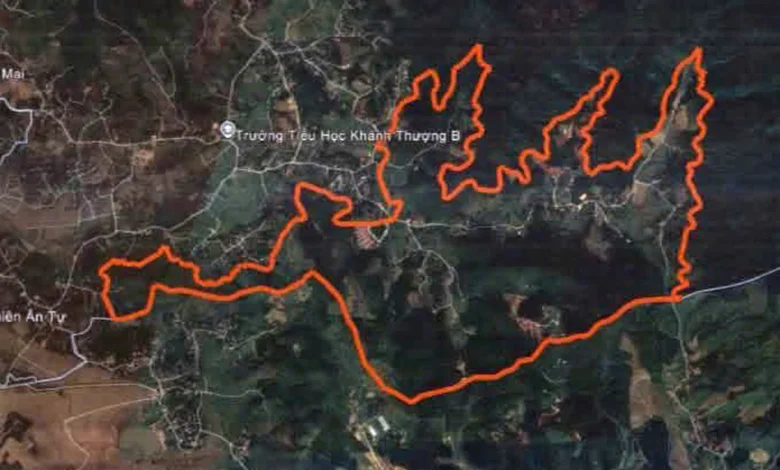
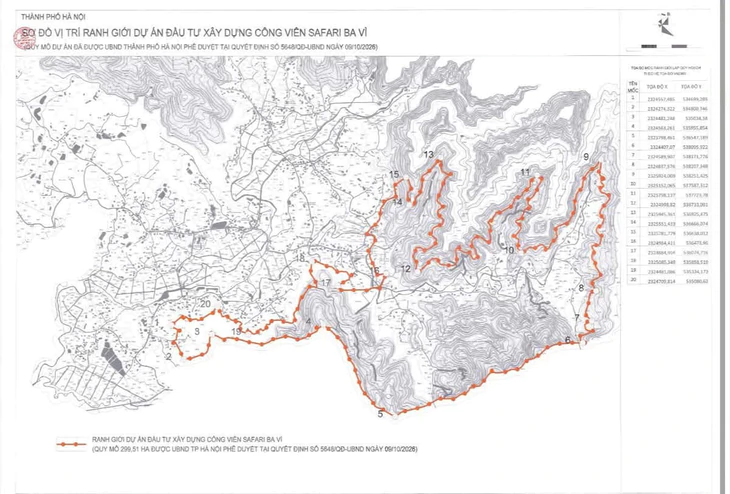
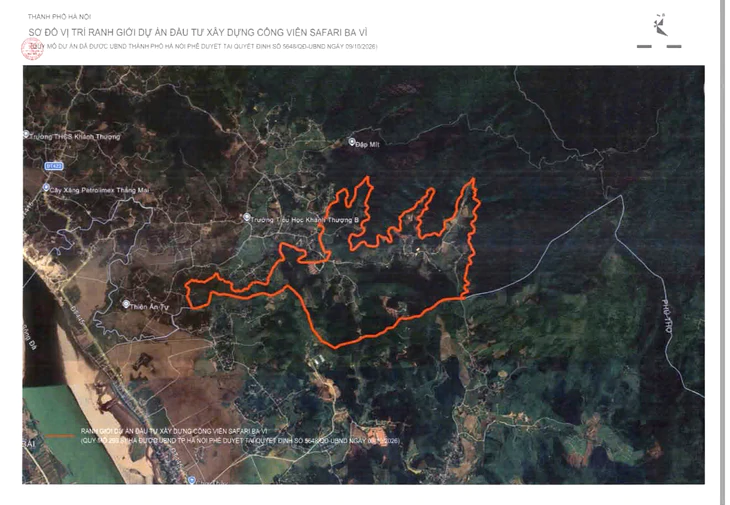
The People’s Committee of Ba Vi Commune, located on the western outskirts of Hanoi, has officially released the detailed planning map and geographical boundaries for the much-anticipated Ba Vi Safari Park project. This crucial administrative step follows a formal decision issued by the Hanoi People’s Committee, aimed at providing absolute clarity to local residents, investors, and municipal authorities regarding the exact scope and positioning of the massive eco-tourism initiative. By making these territorial boundaries publicly accessible, local administrators seek to eliminate widespread speculation and misinformation that has recently circulated across various digital platforms and social media channels.
Alongside the official map release, local authorities issued a firm rebuttal addressing erroneous reports that had gained traction online. Several unverified digital sources previously claimed that the proposed safari park footprint would span an expansive 580 hectares, potentially encroaching upon protected local ecosystems. However, municipal documentation confirms that the actual approved scale of the project encompasses approximately 299.5 hectares. By explicitly defining these parameters, the Hanoi municipal government and the Ba Vi Commune People’s Committee intend to reassure the public that development will proceed strictly within authorized boundaries, completely separate from protected forestry zones.
Comprehensive Dissemination Strategy for Local Stakeholders
To ensure complete transparency and community awareness, the Ba Vi Commune People’s Committee has formally tasked the Commune Public Services Synthesis Center with broadcasting the approved planning maps and boundary demarcations. These vital documents have been uploaded to official municipal electronic portals and verified social media channels. The outreach campaign is specifically targeted at local organizations, private individuals, and—most importantly—landowners whose properties intersect or lie adjacent to the designated project zone.
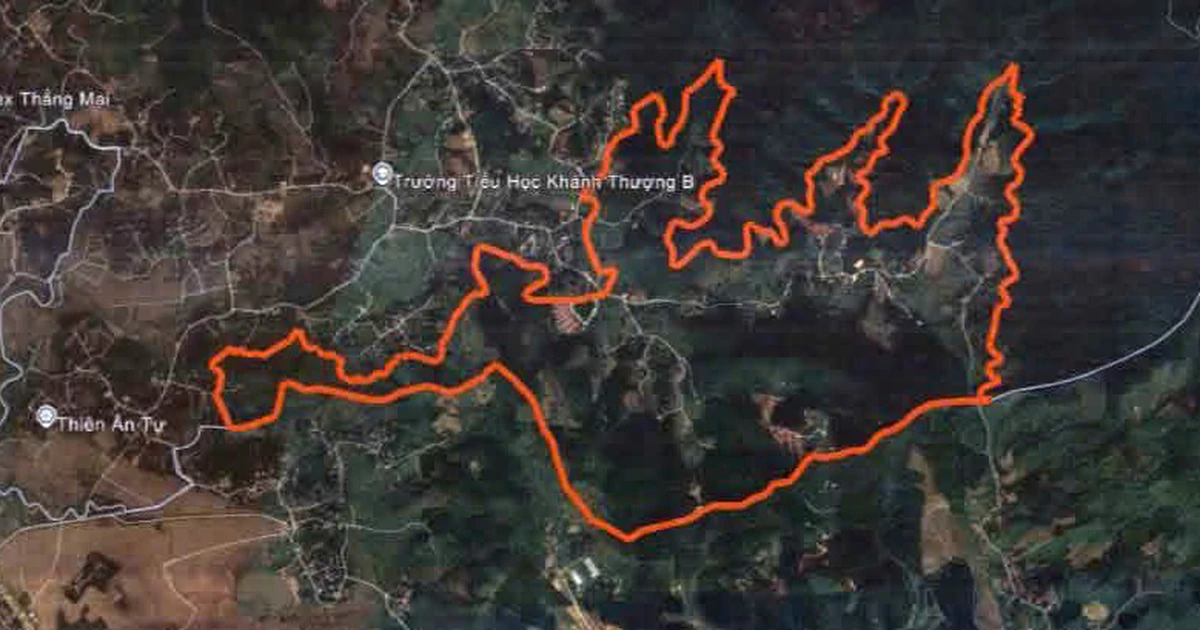
Municipal leaders emphasize that open communication is vital for maintaining community trust throughout the preliminary development phases. Property owners within the designated 299.5-hectare zone are being encouraged to review the official cartographic data to understand how the designated layout impacts their surroundings. By proactively addressing misinformation, local authorities aim to prevent land speculation, reduce public anxiety, and streamline administrative processes as the project transitions from initial planning to active implementation.
Project Background and Strategic Integration in Capital Development
The formal demarcation of the Ba Vi Safari Park represents a significant milestone in Hanoi’s broader urban and tourism development strategy. Earlier in October, municipal authorities released an extensive portfolio comprising 18 signature infrastructure and development projects slated for inauguration, ground-breaking, or aggressive implementation across the capital region. Among this elite tier of public-private initiatives, the Ba Vi Safari Park stands out as a cornerstone for boosting regional tourism, diversifying recreational offerings, and stimulating economic growth in Hanoi’s western corridor.
The project is spearheaded by the prominent Vietnamese multi-industry conglomerate Sun Group, known for executing large-scale, high-end tourism, entertainment, and infrastructure developments nationwide. Situated in Ba Vi Commune, roughly 60 kilometers west of downtown Hanoi, the safari park benefits from a strategic location that balances accessibility for urban tourists with the serene, natural topography characteristic of the Ba Vi region. Planners have meticulously designed the project boundaries to ensure complete separation from the core protected areas of the Ba Vi National Park, thereby safeguarding established ecological preserves while introducing a world-class wildlife attraction to the periphery.
Ecotourism Model and Conservation Objectives
According to the approved master plan, the Ba Vi Safari Park will not function merely as a traditional zoological exhibition. Instead, urban planners and environmental consultants have conceptualized the facility as an integrated ecological complex that harmonizes wildlife conservation, natural habitat preservation, immersive visitor experiences, and environmental education. The design framework prioritizes animal welfare, utilizing modern veterinary standards and spacious, naturalistic enclosures that mimic native environments as closely as possible.
Furthermore, the park’s operational blueprint incorporates dedicated zones for environmental education, targeting students, families, and researchers. These programs are intended to foster a deeper understanding of biodiversity conservation and ecological stewardship. By combining conservation science with sustainable tourism, the developers aim to create a premier destination that aligns with Hanoi’s green growth initiatives. Commercial services and tourism infrastructure will be carefully integrated into the landscape, ensuring that economic utility coexists harmoniously with environmental protection and visitor enjoyment.
Socioeconomic Implications and Regional Impact
The official establishment of the Ba Vi Safari Park boundaries signals positive economic implications for Ba Vi Commune and the wider western region of Hanoi. Historically recognized for its agricultural output, spiritual tourism, and weekend resort getaways, the Ba Vi district is poised to undergo a transformative economic shift. The introduction of an enterprise of this magnitude is projected to generate thousands of direct and indirect employment opportunities, ranging from hospitality, wildlife management, and veterinary science to logistics, retail, and construction.
Local small businesses, homestays, and agricultural producers stand to benefit significantly from the influx of domestic and international visitors anticipated once the park becomes operational. Municipal economists project that the facility will act as a major catalyst for regional infrastructure upgrades, prompting improvements in transportation networks, utility grids, and hospitality services surrounding the commune. Consequently, property values and commercial vitality in the western suburbs are expected to experience sustained, healthy growth, reinforcing Hanoi’s ambition to develop dynamic satellite economic and tourism hubs.
Timeline, Next Steps, and Regulatory Compliance
Following the public announcement of the planning boundaries, the project enters a critical phase of administrative alignment and preparatory groundwork. Local authorities, in coordination with Sun Group representatives, will oversee site clearance preparations, environmental impact assessments, and detailed architectural engineering designs. While municipal officials have not yet announced a definitive completion date for the entire complex, the formal groundbreaking and phased rollout are aligned with Hanoi’s strategic timeline for municipal modernization.
Regulatory compliance remains a top priority for all participating entities. Environmental ministries and municipal watchdogs will maintain rigorous oversight throughout construction to ensure that soil preservation, water management, and wildlife welfare standards are strictly met. As the Ba Vi Safari Park progresses from blueprint to reality, the collaboration between local government bodies, corporate developers, and the resident community will remain foundational to its ultimate success as a sustainable landmark for the capital city.