Understanding the Critical Differences Between Type 1 and Type 2 Diabetes: Causes, Management, and Long-Term Health Implications


Diabetes mellitus is a widespread, chronic metabolic disorder that fundamentally alters how the human body processes glucose, the primary source of energy required for cellular function. Characterized by elevated blood glucose levels—clinically known as hyperglycemia—this condition arises either when the pancreas fails to produce sufficient insulin or when the body’s cells develop resistance to the hormone, rendering them unable to utilize circulating glucose effectively. According to authoritative public health organizations, including the American Diabetes Association (ADA) and the National Institute of Diabetes and Digestive and Kidney Diseases (NIDDK), diabetes predominantly manifests in two primary forms: Type 1 and Type 2. While both types culminate in chronically high blood sugar and share overlapping long-term risks such as cardiovascular disease, nephropathy, retinopathy, and neuropathy, they diverge significantly in their underlying etiologies, pathological mechanisms, clinical presentation, disease progression trajectories, and therapeutic approaches.
An In-Depth Look at Type 1 Diabetes: Autoimmune Origins and Rapid Onset
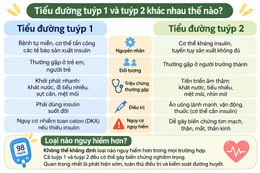
Type 1 diabetes is fundamentally an autoimmune condition. It occurs when the body’s immune system, which normally serves as a defense mechanism against foreign pathogens, mistakenly identifies and aggressively targets the insulin-producing beta cells located within the islets of Langerhans in the pancreas. This destructive autoimmune response leads to the absolute or near-total destruction of these cells, resulting in a profound deficiency of endogenous insulin. Because the body can no longer manufacture this critical hormone, glucose remains trapped in the bloodstream rather than entering cells to be metabolized for energy.
Statistically, Type 1 diabetes is most frequently diagnosed in children, adolescents, and young adults, though it can theoretically develop at any age. Unlike its metabolic counterpart, the onset of Type 1 diabetes is typically rapid, dramatic, and unmistakable. Clinical symptoms often materialize over a short period of several weeks. Patients frequently experience classic indicators of acute hyperglycemia, including extreme polydipsia (excessive thirst), polyuria (frequent and copious urination), unexplained and rapid weight loss, polyphagia (persistent, excessive hunger), and profound, debilitating fatigue.

Because the pancreas permanently loses its capacity to secrete insulin, individuals diagnosed with Type 1 diabetes rely entirely on exogenous insulin therapy—administered via daily multiple daily injections or an automated insulin pump—to sustain life. To date, medical science has not discovered a definitive cure for Type 1 diabetes, meaning lifelong disease management and vigilant blood glucose monitoring are non-negotiable pillars of survival for affected patients.
Unraveling Type 2 Diabetes: Insulin Resistance and Lifestyle Factors
In stark contrast to the autoimmune nature of Type 1, Type 2 diabetes is primarily characterized by insulin resistance combined with a progressive secretory defect in insulin production. In this metabolic state, the body’s peripheral tissues—such as muscle, fat, and liver cells—fail to respond adequately and efficiently to normal levels of insulin. In the early stages of the disease, the pancreas attempts to compensate for this cellular resistance by hypersecreting insulin, working overtime to clear glucose from the bloodstream. However, over months and years, the insulin-producing beta cells of the pancreas become exhausted and can no longer keep up with the body’s escalating demands, leading to overt hyperglycemia.
Type 2 diabetes historically has been diagnosed primarily in middle-aged and older adults. However, due to shifting global lifestyle patterns, rising rates of pediatric obesity, and nutritional changes, the clinical landscape has evolved dramatically. Today, adolescents and even younger children are increasingly presenting with Type 2 diabetes. Major risk factors strongly associated with the development of Type 2 diabetes include physical inactivity, overweight or obesity, poor dietary patterns rich in refined sugars and ultra-processed foods, and a robust family history of metabolic disorders.
Unlike the abrupt presentation of Type 1, Type 2 diabetes typically follows an insidious, stealthy progression that can smolder silently for years. Many individuals harbor the disease for a prolonged period without noticing any prominent warning signs, often receiving a diagnosis only after routine blood work is performed or when acute hyperglycemia-related complications finally manifest. When symptoms do appear, they frequently mirror those of Type 1—such as increased thirst, frequent urination, and fatigue—alongside unique clinical indicators like blurred vision and slow-healing cuts, bruises, or sores.

Management strategies for Type 2 diabetes are multifaceted and tailored to the individual’s metabolic profile. Initially, healthcare professionals often recommend aggressive lifestyle modifications, which include adopting a nutrient-dense diet, increasing physical activity, and achieving sustainable weight loss. As the disease naturally progresses, many patients require oral antihyperglycemic medications—such as metformin—or injectable non-insulin therapies. In advanced cases where beta cell function has significantly deteriorated, insulin therapy may also become necessary.
Comparing the Severity and Acute Versus Chronic Risks
A common clinical question raised by patients and caregivers alike is whether one type of diabetes is inherently more dangerous than the other. Medical experts emphasize that neither Type 1 nor Type 2 can be universally labeled as "worse" or "milder" than the other. The degree of clinical danger and overall severity depends heavily on several dynamic variables, including the patient’s baseline glycemic control, the duration of the disease, and the presence or absence of secondary medical complications.
When evaluating acute, short-term risks, Type 1 diabetes is often viewed with greater immediate alarm due to the profound, absolute lack of insulin. If a patient with Type 1 misses their insulin doses or experiences extreme physiological stress, they are at high risk of developing diabetic ketoacidosis (DKA), a life-threatening medical emergency. DKA occurs when the body, starved of glucose for cellular energy, begins breaking down fat at an accelerated rate, producing toxic acidic byproducts known as ketones. Clinical manifestations of DKA include nausea, vomiting, severe abdominal pain, rapid and deep breathing (Kussmaul breathing), profound lethargy, fruity-smelling breath, and dangerous alterations in mental status or consciousness requiring immediate intensive care unit intervention.
Conversely, the primary danger of Type 2 diabetes lies in its silent, chronic progression. Because high blood sugar levels can persist undetected for years, the vascular system is subjected to chronic glycemic toxicity. Over time, this sustained hyperglycemia damages the delicate endothelial lining of blood vessels, paving the way for macrovascular and microvascular complications. Macrovascular damage drastically increases the incidence of severe cardiovascular events, including myocardial infarction (heart attacks), peripheral artery disease, and ischemic strokes. Microvascular damage, on the other hand, targets smaller blood vessels, leading to diabetic nephropathy (which can result in end-stage renal disease requiring dialysis), diabetic retinopathy (potentially causing permanent blindness), and diabetic neuropathy (which can cause debilitating nerve pain and lead to non-healing foot ulcers requiring amputation).
Thus, healthcare providers stress that Type 2 diabetes must never be dismissed as a benign or secondary condition. Both forms carry immense potential for devastating, life-altering complications if left unmanaged.
Broader Public Health Implications and Modern Challenges
The global escalation of diabetes represents one of the most pressing public health crises of the 21st century. Health authorities across the globe continuously emphasize the importance of preventative screening, early detection, and strict adherence to therapeutic regimens. Public health campaigns increasingly focus on educating communities about the dangers of poor dietary choices and sedentary lifestyles, which act as primary fuel for the Type 2 diabetes epidemic.
A striking example of how modern dietary habits can abruptly disrupt metabolic health is frequently highlighted in clinical case studies from around the world. For instance, medical literature routinely documents instances where individuals, motivated by a desire to boost micronutrient intake or consume perceived "healthy" foods, inadvertently overconsume high-fructose fruits or sugary products in excessive quantities over sustained periods. Clinical observations have shown that individuals who drastically increase their daily consumption of sweet fruits—such as mangoes—without balancing their overall caloric intake or carbohydrate load can experience shocking spikes in both blood glucose parameters and lipid profiles within weeks. Such cases serve as stark reminders that even seemingly wholesome foods must be consumed with an understanding of their glycemic impact, particularly for individuals with pre-existing metabolic vulnerabilities.
Furthermore, medical research continues to optimize lifestyle interventions to assist patients in navigating daily glycemic management. Studies focusing on postprandial physical activity demonstrate that incorporating structured movement, such as brisk walking after meals, plays a pivotal role in smoothing out post-meal glucose spikes. However, chronobiological analyses reveal that the exact timing of post-meal exercise can yield varying physiological responses, prompting clinicians to tailor physical activity recommendations to each patient’s unique metabolic rhythms.

Conclusion: The Path Forward in Diabetes Care
Ultimately, successfully living with either Type 1 or Type 2 diabetes requires a comprehensive, disciplined partnership between patients and multidisciplinary healthcare teams. Regular clinical evaluations, consistent home blood glucose monitoring, routine HbA1c testing, and proactive screening for early signs of organ damage are vital components of modern diabetes care. By demystifying the distinct biological mechanisms that separate Type 1 from Type 2, the medical community continues to empower patients with the knowledge needed to prevent severe complications, preserve long-term health, and maintain a high quality of life despite the challenges of a chronic metabolic condition.