Japan Is Grappling with an Unprecedented Property Paradox Where Inherited Real Estate Has Transformed from a Valuable Legacy into a Financial Burden

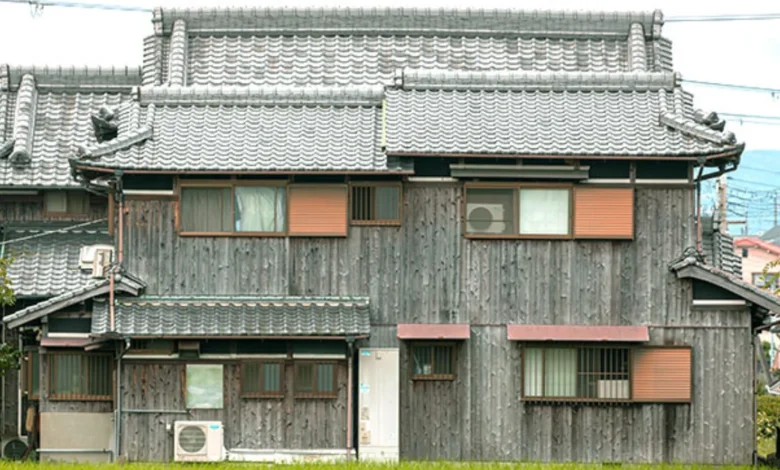
In contemporary Japan, a profound socio-economic shift is quietly unfolding across rural towns and suburban landscapes, turning traditional notions of wealth upside down. For generations, passing down real estate to children was viewed as securing their financial future. Today, however, a growing number of Japanese citizens increasingly view inherited land and empty homes not as treasured assets, but as severe financial liabilities. The burden of maintenance, property taxes, and the constant threat of liability from dilapidated structures have become so overwhelming that an unprecedented number of property owners are willing to pay the government simply to take their unwanted land off their hands, completely forgoing any inheritance rights.
This modern paradox highlights a deeper structural crisis driven by Japan’s aging population, depopulation in rural regions, and a sluggish real estate market. To address the mounting crisis of abandoned properties, the Japanese government introduced a groundbreaking legal mechanism in April 2023. Known officially as the system for returning inherited land to state ownership, this policy was designed to offer relief to overwhelmed heirs. Yet, as implementation data reveals, navigating this bureaucratic exit strategy is far from straightforward, exposing deep-seated limitations in how the nation handles its surplus land.
The Evolution of Japan’s Abandoned Property Crisis
To understand why thousands of Japanese citizens are rushing to return their properties to the state, one must examine the socio-demographic forces reshaping the country. Japan’s population has been steadily declining and aging rapidly for decades. As younger generations migrate from rural prefectures to major metropolitan hubs like Tokyo, Osaka, and Nagoya in search of employment and modern lifestyles, regional towns and rural villages are left behind.
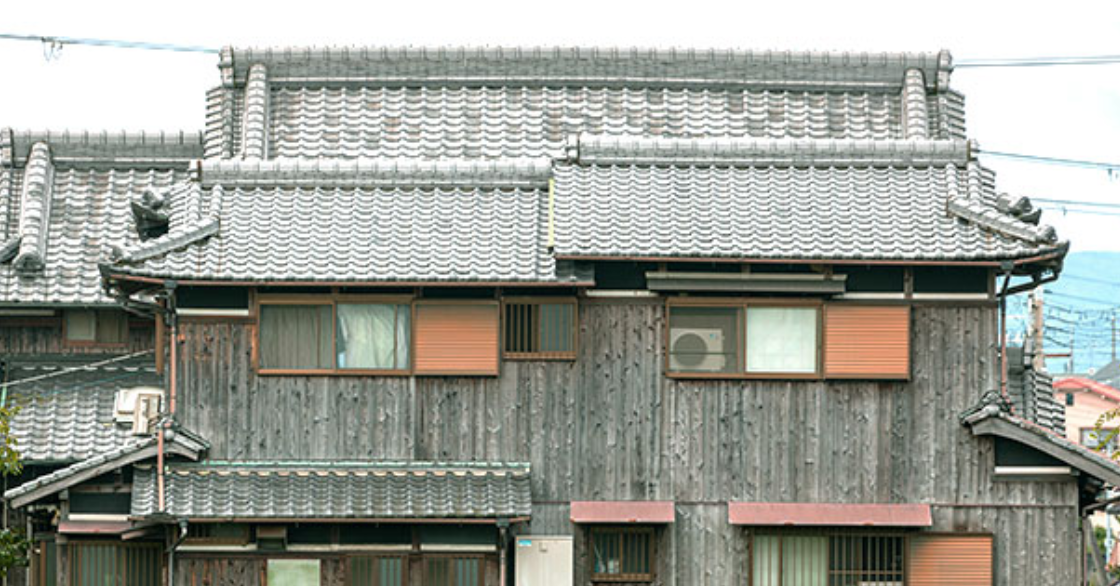
Houses built during the post-war economic booms—frequently constructed with limited durability—now stand vacant, deteriorating into what the media terms "negative assets." Under Japanese property law, landowners are obligated to pay annual fixed asset taxes, clear overgrown weeds, perform structural maintenance, and shoulder full civil liability if a collapsing roof or falling tile causes injury to a passerby or damages neighboring property.
Financial analyses published by Japanese business journals illustrate the stark economic reality facing heirs. Maintaining a rural plot with an old home over twenty years can accumulate millions of yen in cumulative upkeep and local association fees. By contrast, paying a one-time administrative fee to return the land to the state often represents a far more rational economic choice, even when factoring in the mandatory costs of demolishing old structures beforehand.
According to data compiled by industry publications like Nikkan SPA!, total real estate renunciations in Japan reached a historic peak of approximately 324,000 cases, surging roughly 70% compared to a decade prior. This staggering volume underscores a simple truth: vast tracts of land are now entirely unmarketable, and houses standing upon them serve no practical economic purpose.
Chronology of the State Return System
The implementation of the state-transfer system marked a historic turning point in Japanese civil administration, though its rollout has been fraught with friction.
Historically, individuals inheriting property possessed only two choices: accept the entire estate package, including all liabilities, or renounce the inheritance entirely through a formal legal process. Crucially, heirs were legally prohibited from cherry-picking desirable assets while abandoning problematic parcels.
Recognizing that this all-or-nothing approach exacerbated the problem of ownerless land, the Ministry of Justice instituted the new land-return framework in April 2023. Under the updated regulations, citizens can apply to transfer ownership of unwanted land directly to the national government. The application process requires a screening fee of 14,000 yen (approximately $90 USD) alongside an advance payment covering ten years of state management costs, set at 200,000 yen (approximately $1,300 USD).
Despite its apparent simplicity, the application guidelines enforced by the Ministry of Justice are notoriously strict. Land burdened by standing buildings, ongoing legal disputes, severe environmental contamination, or overlapping boundary claims is automatically disqualified. These stringent criteria explain why many individuals who are eager to spend money to divest themselves of property remain legally trapped.
Real-world accounts highlight the immense difficulty of qualifying for the program. A sociology professor at Chuo University recently shared his protracted ordeal trying to return an inherited plot of land in Mie Prefecture. Purchased by his parents in the 1970s with the dream of building a retirement home, the property sat unused for decades while the family dutifully paid annual property taxes and local association fees.
When the family finally decided to utilize the state-return system, they discovered that historical records still listed an old mortgage from a lender that had long since gone out of business. Untangling the paperwork required months of coordination with specialized judicial scriveners to clear the historical lien. Furthermore, the family had to hire local contractors to clear overgrown vegetation and prepare extensive documentation over many months before officially filing their application. Nearly three years into the process, approval remained pending, illustrating the formidable bureaucratic hurdles applicants face.
Statistical Insights and Public Reception
Statistical tracking by the Ministry of Justice provides a clear picture of how the system is functioning. By late 2026, thousands of applications had flooded administrative offices across the country. Agricultural land, vacant residential plots, and mountainous forest tracts formed the vast majority of submitted files.
While the national government has accepted a significant portion of submitted land parcels—maintaining an initial administrative approval rate hovering around 94.5%—surveys of applicants reveal a complex undercurrent of public sentiment. Approximately 73% of applicants expressed general satisfaction with successfully offloading their properties, but nearly 50% complained that the associated out-of-pocket costs remained excessively high.
Regarding demolition and vegetation clearance expenses, survey data indicates a diverse financial distribution: roughly 23.5% of respondents spent under 50,000 yen; nearly 24.7% incurred costs ranging between 200,000 and 500,000 yen; and 21.2% faced expenditures exceeding 1 million yen. Furthermore, industry surveys conducted by real estate publication Jutaku Shinpo revealed a striking lack of public awareness, noting that only a tiny fraction of property heirs were fully informed about the existence of the state-return mechanism prior to navigating their inheritances.
Broader Economic Implications and Policy Shifts
The systemic accumulation of abandoned land presents a multifaceted challenge for the Japanese economy. Public policy reports indicate that roughly 42% of citizens feel a persistent psychological and financial burden when holding rural real estate, with approximately 20% of households actively desiring a functional state-transfer mechanism to escape their obligations.
However, the current framework is displaying critical structural vulnerabilities. According to reports from news agencies such as Jiji Press, the vast majority of land parcels successfully absorbed by the state consist of remote, low-value plots with virtually no market demand. Consequently, the national government finds itself shouldering long-term management and maintenance costs for properties that generate no economic return and serve no public utility.
In response to these emerging fiscal inefficiencies, the Ministry of Justice is actively reviewing potential legislative amendments. Rather than forcing the national government to absorb every surrendered plot, future policy frameworks aim to connect individuals wishing to abandon land with private corporations, non-profit organizations, or local municipal governments that possess genuine developmental or environmental use cases.
Legislative planners are targeting the ordinary session of the National Diet in 2028 to introduce comprehensive legal revisions. As Japan continues to navigate the profound social realities of an aging populace and demographic contraction, reforming property management laws remains a vital component of ensuring national spatial economic stability.