Tragic Antonov An-12 Military Transport Crash in Siberia Claims 17 Lives After Pilot’s Heroic Final Struggle

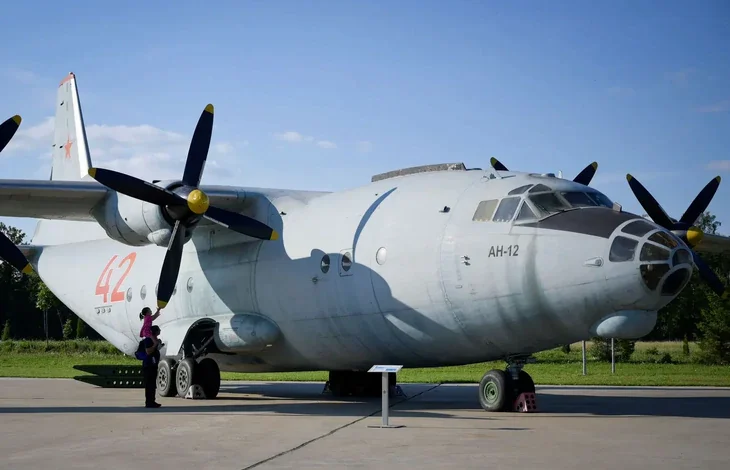
A devastating military aviation tragedy unfolded in the vast expanses of southwestern Siberia as an Antonov An-12 military transport aircraft crashed near the village of Yagunovo in the Kemerovo region. The catastrophic incident, which occurred during a scheduled regional flight, resulted in the tragic loss of all 17 individuals on board, including members of the flight crew and passengers. According to preliminary reports from Russian state media and regional authorities, the aircraft experienced catastrophic technical failures mid-air, leading to a desperate attempt by the pilots to steer the burning machine away from heavily populated residential areas in the final moments before impact.
The disaster has once again focused intense national and international scrutiny on the operational safety, mechanical reliability, and maintenance standards of aging military transport fleets operating across the Russian Federation. As investigators comb through the charred wreckage scattered across the snow-dusted Siberian terrain, aviation experts, government officials, and military analysts are piecing together the sequence of events that transformed a routine logistical mission into an unmitigated disaster.
Chronology of the Disaster
The ill-fated flight began earlier in the day on November 17, originating from the industrial hub of Novosibirsk and heading eastward toward Kansk, another key city within the Siberian federal district. The aircraft, a four-turboprop Antonov An-12, was engaged in what was planned to be a standard transport and logistics run, a routine assignment for this rugged class of military workhorses.
According to regional officials, including Kuzbass Governor Ilya Seredyuk, who formally briefed the public shortly after the incident, the disaster struck at approximately 21:30 local time. At this juncture, the aircraft was traversing the airspace above the Kemerovo region, nearing the end of its intended flight path. The crash site was ultimately located just 5 kilometers (about 3 miles) south of Kemerovo, the administrative center of the region, placing the descending aircraft perilously close to urban infrastructure and residential communities.
Eyewitness accounts and reports broadcast by Russian news networks, such as Ren TV, indicate that the aircraft was engulfed in flames while still airborne. As smoke billowed from the fuselage and onboard systems began to fail, the flight crew faced an immediate, life-or-death crisis. Telegram-based monitoring channels, citing emergency services sources like the Baza news channel, suggested that the disaster may have been triggered or exacerbated by a severe onboard fuel leak, which quickly escalated into an uncontrollable fire and potentially forced the crew to attempt an emergency landing under near-impossible conditions.
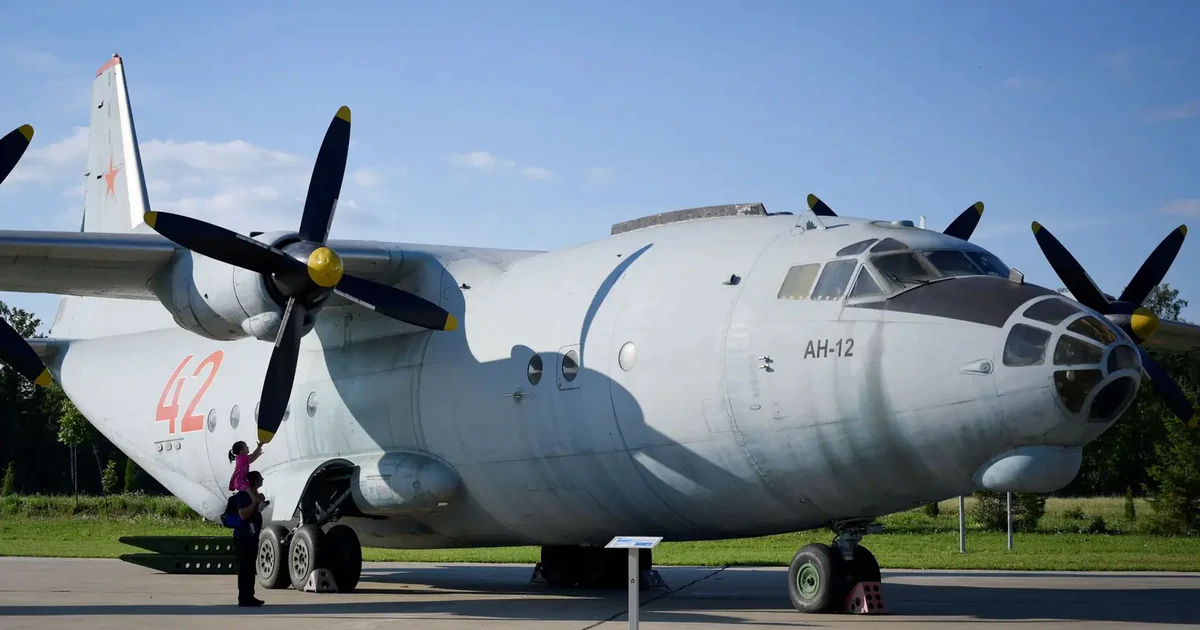
Heroic Final Actions of the Flight Crew
In the face of imminent catastrophe, the actions of the pilots have emerged as the central focus of early reports. Russian media outlets and local emergency officials highlighted that the flight crew demonstrated extraordinary composure and self-sacrifice during the aircraft’s final, doomed descent.
As the An-12 lost altitude and struggled against structural and mechanical degradation, the pilots actively fought the controls to steer the burning transport away from nearby populated settlements, including the village of Yagunovo and the southern outskirts of Kemerovo. Aviation experts reviewing the telemetry and flight trajectory noted that without these deliberate steering adjustments, the aircraft could easily have plowed directly into residential neighborhoods, resulting in a significantly higher civilian death toll on the ground.
By consciously directing the aircraft toward an unpopulated area, the crew ensured that no casualties were reported among civilians on the ground. However, this heroic maneuver came at the ultimate cost, as the aircraft impacted the earth with catastrophic force, leaving no survivors among the 17 personnel aboard. Local emergency responders who arrived at the scene described a scene of total devastation, with debris scattered over a wide radius and intense fires requiring specialized firefighting equipment to suppress.
Emergency Response and Immediate Aftermath
The response to the disaster was swift and mobilized at multiple levels of regional and federal government. Immediately following the impact, local authorities established a dedicated emergency response command center directly at the crash site to coordinate rescue, recovery, and investigative operations.
The deployment included a massive multi-agency response team comprising medical personnel, state emergency services, local police units, and detachments of the Russian National Guard. Rescuers faced grueling conditions at the site, working through the freezing Siberian night amidst burning wreckage and hazardous materials. Search teams recovered the remains of all 17 victims, while forensic specialists began the arduous process of identifying the deceased and securing vital flight data recorders.
Governor Ilya Seredyuk maintained active communication with emergency services throughout the night, providing regular updates to the public while acknowledging the profound gravity of the situation. Regional hospitals and psychological support teams were placed on high alert to assist the families of the victims, many of whom were connected to military installations in the Siberian district.
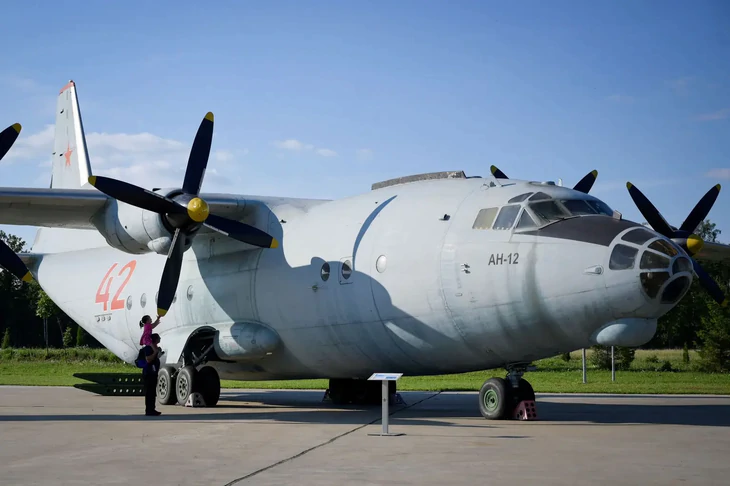
Technical Profile of the Antonov An-12
The aircraft involved in the tragedy, the Antonov An-12, is a legendary fixture of Soviet and post-Soviet aviation history. Developed in the 1950s by the renowned Antonov Design Bureau, the An-12 is a twin-tandem turboprop transport aircraft designed to operate in harsh climatic conditions, unpaved runways, and remote operational theaters.
Powered by four turboprop engines driving distinct propeller assemblies, the An-12 earned a reputation as the Soviet equivalent of the American Lockheed C-130 Hercules. For decades, it has served as a fundamental asset for military logistics, troop transport, parachute drops, and cargo delivery across the vast expanses of Russia and allied nations.
Despite its rugged design and enduring utility, the advanced age of the remaining active fleet has become a growing concern within aviation circles. Many operational An-12 airframes have logged tens of thousands of flight hours over decades of service. While retrofitted and maintained under strict military protocols, older aircraft inherently face elevated risks related to metal fatigue, electrical system degradation, fuel line vulnerabilities, and mechanical wear.
Broader Context of Russian Aviation Safety
This tragic event in the Kemerovo region occurs against a backdrop of increasing scrutiny regarding safety protocols within Russian military and civil aviation. Over the past several years, various branches of the Russian armed forces have experienced a series of high-profile aviation incidents during routine training sorties, transit flights, and operational deployments.
Just weeks prior to the Kemerovo crash, a Russian Su-30 fighter jet went down during a scheduled training flight in the Kaliningrad exclave, wedged between Poland and Lithuania along the Baltic Sea coast. While tactical fighter jets and heavy transport aircraft serve entirely different military functions, the frequency of such accidents has prompted renewed internal reviews regarding maintenance oversight, pre-flight inspection rigor, and the overall readiness of aging fleets operating under high operational tempos.
Defense analysts point out that the heavy demands placed on military transport aircraft amid ongoing geopolitical tensions and extensive logistical operations across Russia’s expansive territory may be straining maintenance schedules and technical support infrastructure. Although official investigators have not yet attributed the An-12 crash to systemic maintenance failures, the recurring nature of these incidents ensures that safety audits will remain a pressing priority for military leadership.

Investigation and Ongoing Inquiries
As of writing, Russian federal aviation authorities, military prosecutors, and specialized accident investigation committees have launched a comprehensive inquiry into the causes of the Yagunovo crash. Investigators have secured the flight data recorders—commonly known as the black boxes—and are currently analyzing parameters including engine performance, hydraulic pressure, electrical continuity, and fuel system integrity.
Preliminary theories circulating within specialized aviation forums and media channels, such as those reported by the Baza Telegram channel, point toward a potential catastrophic fuel leak leading to an inflight fire and a subsequent forced landing attempt. However, senior officials have cautioned against premature conclusions, emphasizing that a definitive determination will only be made once laboratory analysis of the wreckage and flight recorders is complete.
The findings of the investigation are expected to carry significant weight, potentially influencing the operational status of remaining An-12 airframes within the military inventory. If systemic mechanical or maintenance flaws are identified, broader grounding orders or accelerated inspection mandates could be implemented across similar fleets.
Conclusion
The crash of the Antonov An-12 near Kemerovo stands as a solemn reminder of the inherent risks borne by military aviation personnel, even during domestic transport missions far from active combat zones. The loss of 17 lives has cast a pall over the region and prompted nationwide mourning for the fallen crew members and passengers.
While the exact technical catalyst of the fire and subsequent crash remains under formal investigation, the final actions of the flight crew will be remembered for their profound courage. By prioritizing the safety of civilians on the ground above their own survival, the pilots averted a secondary catastrophe, sealing their legacy through an act of ultimate self-sacrifice in the freezing skies of Siberia.