Facial Swelling, Eyebrow Loss, and Bulging Eyes Could Be Overlooked Signs of Thyroid Disease

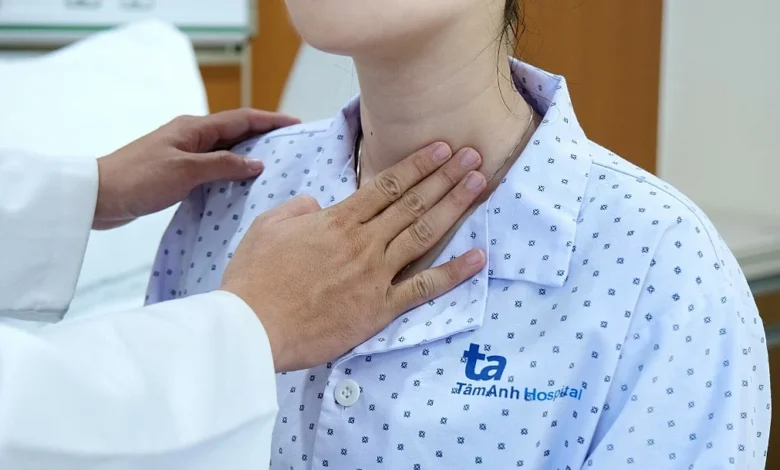
The human face often serves as a primary diagnostic mirror, reflecting internal physiological shifts that might otherwise remain hidden within the complex systems of the body. Among the most critical yet frequently ignored indicators are subtle changes in facial structure, skin texture, and hair density, which may signal underlying thyroid dysfunction. The thyroid gland, a small, butterfly-shaped endocrine organ situated at the base of the neck, plays a disproportionately large role in human health by producing hormones that regulate metabolism, heart rate, body temperature, and the regenerative cycles of almost every tissue in the body. When this gland becomes overactive (hyperthyroidism) or underactive (hypothyroidism), the resulting hormonal imbalance can manifest in a variety of systemic symptoms, but it is the facial changes—ranging from puffiness to the protrusion of the eyes—that often provide the earliest visible clues.
According to Dr. Phan Thi An, a specialist in the Department of Endocrinology and Diabetes at Tam Anh General Hospital in Hanoi, many patients overlook these facial transformations, attributing them to fatigue, aging, or lack of sleep. However, the physiological link between thyroid hormones and the integumentary and ocular systems is profound. When the thyroid fails to function optimally, the body’s metabolic pace is disrupted, leading to the accumulation of specific substances in the skin and tissues that alter a person’s appearance. Recognizing these signs early is essential for preventing long-term complications, which can include cardiovascular disease, bone density loss, and severe metabolic distress.
The Biochemical Influence of Thyroid Hormones on Facial Skin
The thyroid gland primarily produces two hormones: triiodothyronine (T3) and thyroxine (T4). These hormones are essential for the regulation of oxygen consumption and the synthesis of proteins within the skin’s fibroblasts. When thyroid levels are balanced, the skin remains hydrated, elastic, and capable of regular cellular turnover. However, as Dr. An notes, any deviation from this balance results in visible dermatological shifts.
In cases of hypothyroidism, the body’s metabolic processes slow down significantly. This reduction in metabolic activity leads to decreased blood flow to the skin and a drop in the production of natural oils (sebum). Consequently, patients often report that their skin feels abnormally dry, rough, and scaly. In some instances, the skin may take on a pale or yellowish tint, a condition known as carotenemia, which occurs because the liver requires thyroid hormones to convert carotene into Vitamin A. Without sufficient T4, carotene builds up in the blood and eventually deposits in the skin’s outer layers.
Conversely, hyperthyroidism accelerates the body’s metabolism, leading to increased heat production and excessive sweating. This often results in skin that feels unusually soft, moist, and warm to the touch. However, this hyper-metabolic state also makes the skin more sensitive. Patients with an overactive thyroid may experience frequent facial flushing, persistent itching (pruritus), or the sudden onset of hives. In advanced cases, hyperthyroidism can lead to "pretibial myxedema," which, while most common on the shins, can occasionally affect the facial tissues, causing them to appear thick and inflamed.
Facial Edema and the Accumulation of Glycosaminoglycans
One of the most striking facial indicators of thyroid disease is swelling, or edema, particularly around the eyes, lips, and cheeks. This is not the typical fluid retention associated with a high-sodium diet; rather, it is a specific clinical condition known as myxedema, which is characteristic of severe hypothyroidism.
Dr. An explains that when thyroid hormone levels are low, the body increases the production of glycosaminoglycans (GAGs), such as hyaluronic acid, in the dermal layer of the skin. These molecules are highly hydrophilic, meaning they have an extraordinary capacity to attract and hold water. As GAGs accumulate in the connective tissues, they cause the skin to become thickened and "doughy." This puffiness is usually most prominent in the morning and is often concentrated in the eyelids (periorbital edema). Over time, this can lead to a widening of the facial features, making the face appear broader and less defined. Unlike standard edema, myxedematous swelling does not "pit" or leave an indentation when pressed, because the underlying cause is a structural change in the tissue matrix rather than simple fluid displacement.
Ocular Protrusion and Graves’ Disease
Perhaps the most recognizable and alarming facial sign of thyroid dysfunction is "exophthalmos," or bulging eyes. This condition is a hallmark of Graves’ disease, an autoimmune disorder that is the most common cause of hyperthyroidism. In Graves’ disease, the body’s immune system mistakenly attacks the tissues behind the eyes.
The pathology involves the inflammation of the extraocular muscles and the increase of fatty tissue within the bony orbit of the eye socket. Because the orbit is a confined space, the swelling of these tissues forces the eyeball forward. This results in a "staring" appearance, where the white of the eye (sclera) is visible above or below the iris. Patients often report symptoms of "grittiness," as if sand is in their eyes, along with excessive tearing and sensitivity to light.
If left untreated, thyroid-associated orbitopathy can progress to more severe stages. The pressure on the optic nerve can lead to vision loss, and the inability of the eyelids to close fully can cause corneal ulcers. The chronological progression of this symptom usually begins with mild redness and swelling of the conjunctiva before the physical protrusion becomes permanent. Diagnostic imaging, such as CT or MRI scans of the orbits, is often required to assess the extent of tissue involvement.
The Sign of Hertoghe: Eyebrow Thinning and Hair Loss
The thyroid gland is also a master regulator of the hair growth cycle. Both hypothyroidism and hyperthyroidism can lead to "telogen effluvium," a condition where a large number of hair follicles enter the resting phase prematurely, leading to widespread thinning. However, the thyroid has a very specific effect on the eyebrows that serves as a classic clinical sign.
The "Sign of Hertoghe," also known as Queen Anne’s sign, refers to the thinning or complete loss of the outer third of the eyebrows. Dr. An emphasizes that this is a particularly specific marker for hypothyroidism. The physiological reason for this localized hair loss is that thyroid hormones are necessary for the initiation and maintenance of the hair’s "anagen" (growth) phase. When these hormones are deficient, the hair follicles in the lateral portion of the eyebrow—which are particularly sensitive to metabolic shifts—stop regenerating.
Patients may also notice that their scalp hair becomes brittle, dry, and slow to grow. In hyperthyroidism, the hair is often very fine and soft, but it falls out in patches or thins uniformly across the scalp. Because hair and eyebrow loss can be gradual, many individuals do not realize it is a medical issue until the thinning is quite advanced.
Broader Data and Public Health Context
The prevalence of thyroid disorders is a growing concern for global health authorities. Data from the World Health Organization (WHO) and various endocrine societies suggest that approximately 200 million people worldwide live with some form of thyroid disease, though nearly 50% of these cases remain undiagnosed. Women are five to eight times more likely than men to develop thyroid problems, particularly following pregnancy or during menopause.
In Vietnam, the incidence of thyroid nodules and autoimmune thyroiditis has seen a measurable increase over the last decade. While iodine deficiency was historically the primary cause of thyroid issues, modern cases are increasingly linked to autoimmune factors, environmental triggers, and genetic predispositions. The enrichment of salt with iodine has largely mitigated the "goiter belts" of the past, but it has shifted the clinical focus toward managing hyper- and hypo-functionality.
The economic and social impact of undiagnosed thyroid disease is significant. Chronic fatigue and cognitive impairment (often called "brain fog") associated with hypothyroidism can lead to decreased workplace productivity and a lower quality of life. Conversely, the cardiovascular strain caused by hyperthyroidism can lead to atrial fibrillation and heart failure, placing a heavy burden on healthcare systems.
Chronology of Symptom Development and Diagnosis
The onset of thyroid-related facial changes is rarely sudden. It typically follows a subtle chronology:
- Early Phase: Mild fatigue, slight changes in skin moisture, and a feeling of being unusually cold or warm.
- Intermediate Phase: Noticeable puffiness around the eyes in the morning, brittle nails, and the beginning of eyebrow thinning.
- Advanced Phase: Distinct facial swelling (myxedema), visible protrusion of the eyes (in Graves’ cases), significant weight changes, and heart palpitations.
To diagnose these conditions, physicians rely on a combination of clinical observation and biochemical testing. The "gold standard" for screening is the Thyroid Stimulating Hormone (TSH) test. If TSH levels are high, it indicates the brain is working hard to stimulate an underactive thyroid (hypothyroidism). If TSH is low, the thyroid is likely overactive (hyperthyroidism). Follow-up tests for Free T4 and T3, as well as thyroid antibody tests (such as TPO or TRAB), help pinpoint whether the cause is autoimmune. Ultrasound imaging is also frequently employed to check for nodules or structural abnormalities within the gland.
Analysis of Implications and Expert Recommendations
The facial signs described by Dr. An are more than just cosmetic concerns; they are indicators of systemic imbalance. The psychological impact of these changes cannot be understated. Patients with bulging eyes or a swollen face often experience social anxiety and a loss of self-esteem, which can complicate their recovery process.
"Early intervention is the key to reversing these facial changes," Dr. An states. For most patients, once the proper hormonal balance is restored through medication—such as synthetic levothyroxine for hypothyroidism or anti-thyroid drugs for hyperthyroidism—the skin texture improves, the puffiness subsides, and hair growth can resume. However, ocular changes in Graves’ disease may require specialized treatments, including corticosteroids, orbital radiation, or surgery, as these tissues do not always return to their original state simply through hormone regulation.
Health experts recommend that individuals who notice persistent changes in their facial appearance, particularly when accompanied by unexplained fatigue, weight shifts, or mood changes, should seek a specialized endocrine consultation. Regular health screenings, especially for those with a family history of autoimmune disorders, remain the most effective defense against the long-term systemic damage caused by thyroid dysfunction. By paying closer attention to the "mirror" of the face, patients and doctors can work together to catch these silent disorders before they escalate into life-threatening conditions.