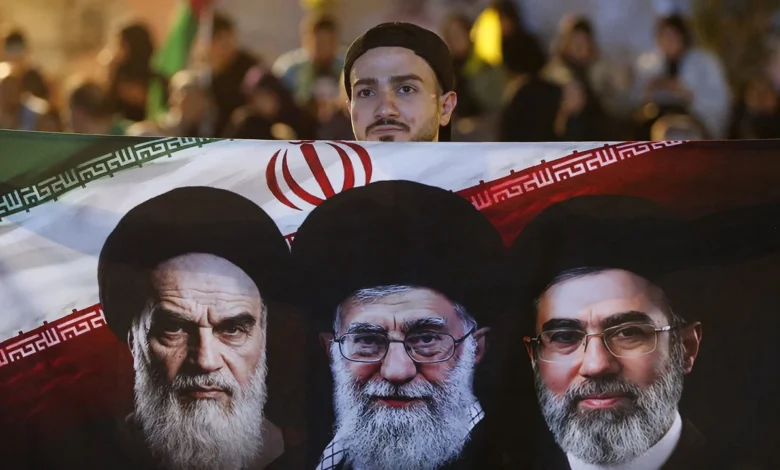
Hardline factions within Iran are intensifying their pressure on the reformist leadership, signaling a fierce internal struggle for dominance that is shaping the nation’s political landscape. The recent presidential election and its aftermath have brought to the forefront a growing divide between elements advocating for a more outward-looking, pragmatic foreign policy and those entrenched in an uncompromising revolutionary ideology. This internal friction is playing out against a backdrop of complex regional dynamics and persistent international scrutiny.
The recent political maneuvering and public pronouncements suggest a concerted effort by hardliners to reassert their influence and potentially derail any significant shifts in Iran’s foreign policy, particularly concerning its engagement with the West. The narrative being pushed by these factions frames any move towards détente or negotiation with countries like the United States as a betrayal of revolutionary principles and national sovereignty. This hardline stance is not a monolithic entity but rather a spectrum of conservative and ultraconservative groups, including elements within the Islamic Revolutionary Guard Corps (IRGC), powerful clerical bodies, and certain parliamentary factions.
The Rise of the "Supra-Radicals"
At the heart of this intensifying struggle are the so-called "supra-radicals," a segment of the Iranian political spectrum that champions a hardline, revolutionary ethos and views engagement with Western powers with extreme suspicion. This group, which includes figures from the Paydari Front party within the parliament and influential members of the IRGC, positions itself as the vanguard of the revolution, safeguarding its principles against perceived erosion. Their core ideology emphasizes self-reliance, a strong nuclear program, and a confrontational stance towards what they term "Western imperialism."
This faction publicly decries the prospect of renewed nuclear talks with the United States, viewing any compromise as a diplomatic defeat. Their preferred approach involves maintaining Iran’s nuclear capabilities as a deterrent and asserting the nation’s right to nuclear technology for peaceful purposes, while simultaneously resisting any international oversight that they deem intrusive. For these hardliners, the pursuit of nuclear enrichment is not merely a technical matter but a symbolic assertion of national strength and independence.
Intensifying Internal Pressure and Political Maneuvering
The pressure from these hardline elements has manifested in various forms, including public criticism of diplomatic overtures and accusations of "treason" leveled against those perceived to be deviating from the revolutionary path. Statements from prominent hardline clerics and politicians have increasingly targeted reformist figures, accusing them of undermining national interests and succumbing to foreign influence.
One notable instance of this escalating rhetoric was seen following Tehran’s tentative engagement with Washington on certain diplomatic fronts. Hardline parliamentarians began publicly questioning the government’s foreign policy decisions, accusing the administration of betraying the Supreme Leader’s directives. The rhetoric intensified to the point where accusations of a "soft coup" began to surface, suggesting that elements within the government were attempting to usurp the authority of the Supreme Leader and fundamentally alter the nation’s strategic direction.
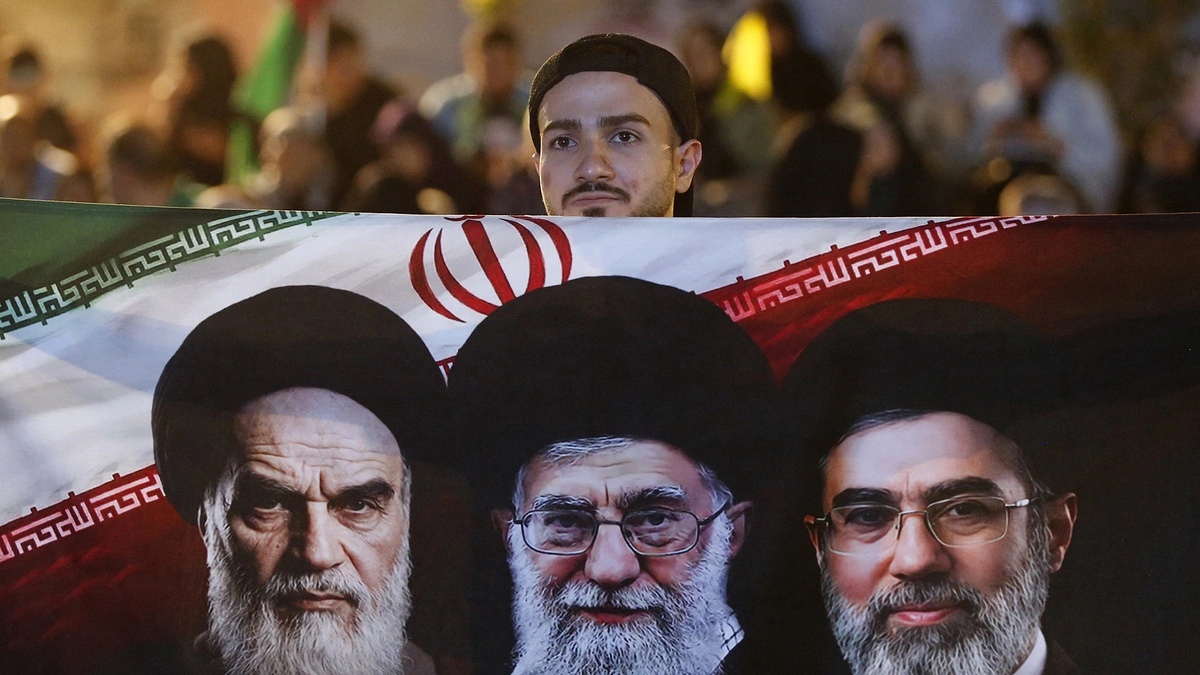
This narrative was amplified by figures such as MP Mahmoud Nabavian, a prominent voice from the Paydari Front. Nabavian repeatedly voiced his criticisms, publicly accusing the foreign ministry of making "strategic mistakes" in its dealings with the U.S. and even calling for the removal of Foreign Minister Araghchi from the negotiating team. Such vocal opposition from within the parliamentary ranks serves to highlight the deep divisions within the Iranian establishment.
A Shifting Power Dynamic and the Role of Key Figures
The current political climate suggests a strategic reorientation by hardliners, who are now focusing their criticism directly on the individuals leading the diplomatic efforts. This shift comes as Supreme Leader Ali Khamenei’s son, Mojtaba Khamenei, has remained conspicuously absent from public political discourse, a move that analysts interpret as a potential signal of his evolving role or a strategic positioning within the broader power struggle.
The absence of Mojtaba Khamenei from the public eye has created a vacuum that other power brokers are attempting to fill. One such figure is Mohammad Bagher Ghalibaf, the Speaker of the Parliament, who has been seen as a potential contender for future leadership roles. Hardliners have reportedly put pressure on Ghalibaf to align with their agenda, urging him to push President Masoud Pezeshkian towards a more confrontational approach. According to some analyses, Ghalibaf himself may be maneuvering to distance himself from the hardline faction, seeking to present a more moderate image to a broader electorate. This complex interplay of alliances and rivalries underscores the fluid nature of Iranian politics.
Historical Context and Ideological Roots
The current internal power struggle is deeply rooted in the ideological foundations of the Islamic Republic. Established in 1979, the system has always grappled with the tension between revolutionary ideals and the practicalities of governance in a globalized world. The "supra-radicals" see themselves as inheritors of the revolution’s original fervor, committed to an anti-Western, anti-imperialist foreign policy. They draw heavily on the rhetoric of self-sufficiency and resistance, viewing any concessions to the West as a capitulation that would betray the sacrifices made during the revolution and the Iran-Iraq War.
This ideology often translates into a rigid approach to foreign policy, prioritizing military strength and a robust missile program over diplomatic engagement. They view negotiations, particularly with the United States, with deep skepticism, believing that such dialogues are inherently designed to weaken Iran and undermine its sovereignty. This perspective often fuels suspicion of any official seeking to pursue détente, labeling them as either naive or complicit with foreign adversaries.
The "Cultural Revolution" Narrative and Parallels to the Past
The current hardline rhetoric bears a striking resemblance to the language used during the early years of the Islamic Republic, particularly during the so-called "Cultural Revolution" of the 1980s, which aimed to purge Western and secular influences from universities and public life. The current accusations of a "soft coup" and calls for a "political revolution" echo this historical precedent, suggesting a desire to fundamentally reshape the political and ideological landscape of the country.
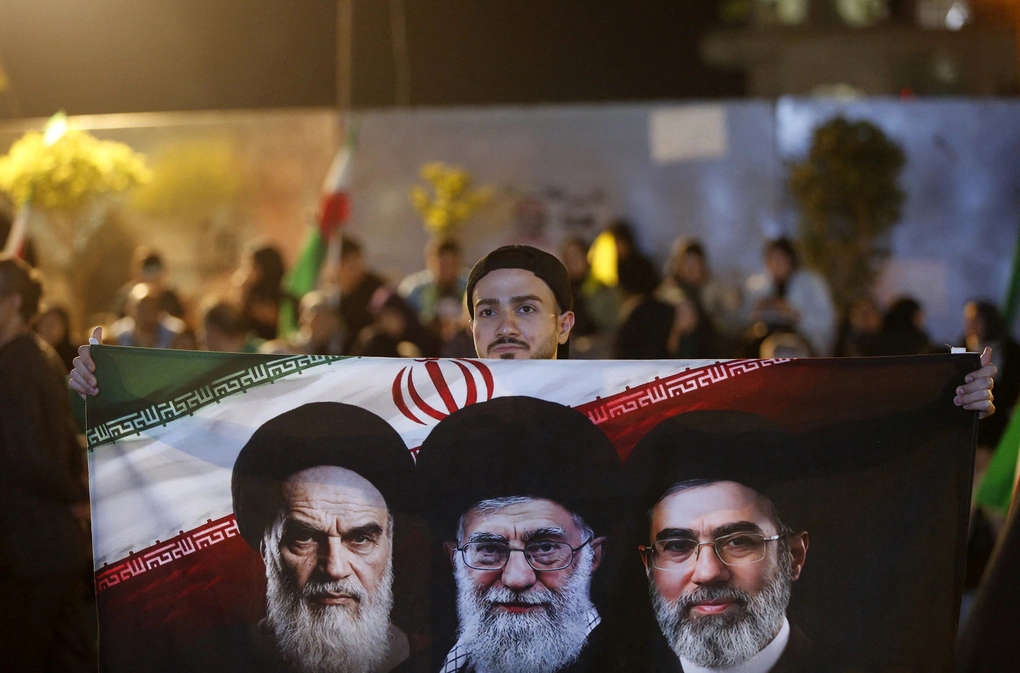
The hardline faction argues that the current administration is attempting to steer the country towards a path that compromises its revolutionary identity. They frame the push for engagement with the West as a dangerous deviation, potentially leading to a loss of national identity and an erosion of Islamic values. This narrative seeks to mobilize conservative segments of the population and delegitimize any reformist initiatives.
Official Responses and International Reactions
While the hardline faction has been vocal in its opposition, the reformist leadership has attempted to maintain a degree of pragmatism, acknowledging the need for dialogue while simultaneously asserting national interests. President Pezeshkian’s administration has emphasized its commitment to national security and the pursuit of economic stability, suggesting that diplomatic engagement is a means to achieve these ends rather than an end in itself.
However, the internal divisions have undoubtedly complicated Iran’s foreign policy maneuvers. The escalating internal pressure can be seen as a significant impediment to any meaningful progress in negotiations with international partners. For external actors, the internal power struggle within Iran presents a complex challenge. While some may see an opportunity to engage with a potentially more moderate faction, others may be wary of the unpredictable nature of Iranian politics and the potential for hardline elements to derail any diplomatic breakthroughs.
Broader Implications for Iran’s Foreign Policy
The intensifying struggle between hardliners and reformists has significant implications for Iran’s future foreign policy. The success of the hardline faction in derailing diplomatic initiatives could lead to further international isolation and increased economic pressure. Conversely, if reformists manage to navigate these internal challenges and achieve some level of diplomatic success, it could pave the way for a more outward-looking Iran, albeit one still operating within the broader framework of the Islamic Republic.
The emphasis on maintaining nuclear capabilities as a deterrent, a cornerstone of the hardline ideology, suggests that any future negotiations will be fraught with difficulty. The hardliners’ insistence on preserving Iran’s enrichment capacity and resisting intrusive inspections presents a significant hurdle for international efforts to revive the nuclear deal or forge a new agreement.
The Economic Factor and Public Sentiment
Underlying these political machinations is the persistent economic hardship faced by many Iranians. Decades of international sanctions, coupled with internal mismanagement, have taken a toll on the economy, fueling public discontent. While the hardline faction often frames economic challenges as a result of external pressures, the reformist camp argues that a more pragmatic approach to foreign policy could alleviate these burdens.
The public’s appetite for sustained confrontation with the West, especially in the face of economic hardship, remains a critical factor. While the hardline narrative of resistance may resonate with certain segments of the population, a broader desire for improved living standards and greater freedoms could ultimately influence the political landscape. The ability of any faction to harness or address this public sentiment will be crucial in determining the outcome of the ongoing power struggle.
Conclusion: A Nation at a Crossroads
Iran stands at a critical juncture, facing a potent internal struggle that will shape its domestic and international trajectory for years to come. The rise of the "supra-radical" faction and their determined efforts to steer the country away from any form of accommodation with the West highlight the deep ideological fissures within the Islamic Republic. The coming months will likely witness a continuation of this intense political contest, with significant ramifications for Iran’s regional relations, its nuclear program, and the daily lives of its citizens. The outcome of this power struggle will not only determine the direction of Iranian policy but also influence the broader geopolitical dynamics of the Middle East and beyond.