FIFA Unveils Record $655 Million Prize Fund and Projected $10 Billion Revenue for Expanded 2026 World Cup

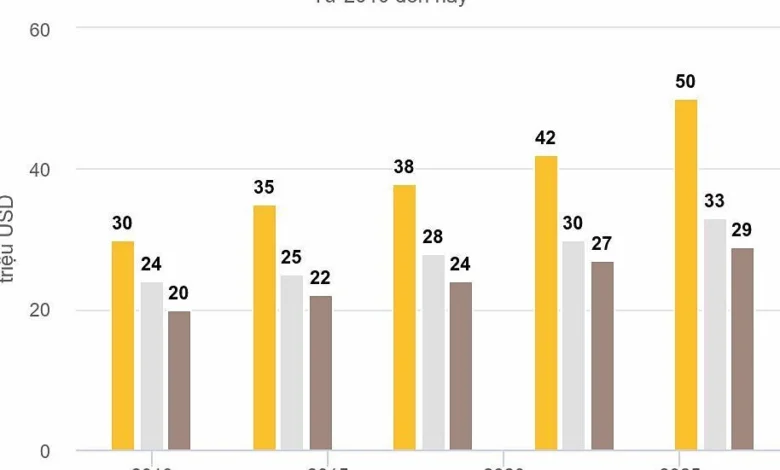
FIFA has officially sanctioned a monumental $655 million prize fund for the participating nations at the FIFA World Cup 2026, marking a significant escalation in football’s financial landscape. This allocation represents a substantial 50% increase compared to the prize money distributed at the 2022 tournament in Qatar. The eventual champions of the expanded 48-team competition are set to claim a historic $50 million, an $8 million rise from the previous edition’s winner’s bounty. This unprecedented financial commitment underscores FIFA’s ambition for the upcoming tournament, which is also projected to shatter revenue records, exceeding $10 billion for the first time in the history of a single sports event.
The Dawn of an Expanded Era: FIFA World Cup 2026
The FIFA World Cup 2026, co-hosted across 16 cities in the United States, Canada, and Mexico, heralds a new era for international football. For the first time, the tournament will feature 48 national teams, a significant expansion from the 32-team format that has been in place since 1998. This expansion is not merely an increase in participation; it fundamentally reshapes the tournament’s structure and, consequently, its financial output. The new format will comprise 12 groups of four teams, with the top two from each group and the eight best third-placed teams advancing to a new Round of 32. This translates to a total of 104 matches, a substantial increase from the 64 games played in the 32-team format, thereby offering more opportunities for broadcasters, sponsors, and host cities.
The decision to expand the tournament, initially met with mixed reactions, was driven by FIFA’s stated goal of making the World Cup more inclusive and providing more member associations with the opportunity to compete on the global stage. This inclusivity, however, comes with a substantial commercial upside, directly contributing to the record prize money and revenue forecasts. The sheer scale of the event, spanning three nations and multiple time zones, also promises unparalleled logistical and organizational challenges, alongside immense commercial potential.
A Historic Prize Pool Breakdown
The $655 million prize fund for 2026 establishes a new benchmark for sporting competitions. Beyond the champion’s share, every participating team stands to benefit from this augmented pool, with increments observed across all stages of the tournament. To put this into perspective, the 2022 World Cup saw Argentina, as champions, receive $42 million, while the total prize money for that edition was approximately $440 million. The 2026 figures represent a clear statement of intent from FIFA regarding the perceived value and growth of its flagship event.
- Champions: The winner of the 2026 World Cup will receive $50 million, an $8 million increase from the 2022 prize. This figure represents the highest-ever payout for a World Cup champion, symbolizing the pinnacle of success in global football.
- Runner-Up: The losing finalist will be awarded $33 million, a $3 million increase from the $30 million received by France in 2022.
- Third Place: The team finishing in third place will take home $29 million, up $2 million from the $27 million awarded to Croatia in 2022.
- Fourth Place: The fourth-placed team will receive $27 million, also a $2 million increase from the $25 million prize in 2022.
- Quarter-Finalists: Teams that reach the quarter-finals will each be granted $19 million. This represents a $2 million increase from the 2022 figure of $17 million. Hypothetically, teams like Norway, Switzerland, Morocco, and Portugal could be illustrative examples of nations vying for these lucrative spots.
- Round of 16: The 16 teams eliminated in the Round of 16 will each earn $15 million. This is also a $2 million bump from the $13 million received by teams exiting at this stage in 2022. Examples of teams that might reach this stage could include Brazil, Paraguay, Canada, USA, Mexico, Egypt, and Colombia.
- Round of 32: Teams eliminated in the Round of 32 (the first knockout stage in the new format) will receive $13 million. This new tier reflects the expanded tournament structure.
- Group Stage Participants: All teams exiting the tournament after the group stage will still receive a substantial $9 million, ensuring a significant financial return for every nation that qualifies.
This tiered increase across all stages underscores FIFA’s strategy to make participation in the World Cup financially rewarding for all qualified federations, potentially allowing them to reinvest in their domestic leagues, youth development programs, and footballing infrastructure.
Unprecedented Financial Projections: Beyond $10 Billion
The financial outlook for the FIFA World Cup 2026 is equally, if not more, staggering than the prize money. Revenue for the tournament is projected to exceed $10 billion, an astounding figure that more than doubles the revenue generated by the 2022 World Cup in Qatar, which reportedly stood at approximately $4.7 billion. This forecast marks an unprecedented milestone, as it would be the first time in history that a single sports event crosses the $10 billion revenue threshold.
Several factors contribute to this exponential growth:
- Expanded Format: The increase from 64 to 104 matches directly translates to more broadcasting hours, more advertising slots, and more sponsorship opportunities. The expanded format allows for greater inventory to be sold to media partners and commercial affiliates.
- Media Rights: Broadcast rights are typically the largest revenue stream for the World Cup. With a larger audience base spanning three major North American markets and increased global interest due to more participating nations, the value of these rights has soared. FIFA signed lucrative deals for the 2026 and 2030 World Cups in advance, reflecting confidence in the tournament’s commercial appeal.
- Sponsorship and Marketing: The North American market is a powerhouse for corporate sponsorship. The multi-national hosting arrangement provides unique marketing opportunities across diverse cultural and economic landscapes, attracting a broader array of global and regional partners.
- Ticketing and Hospitality: With 16 host cities, state-of-the-art stadiums, and a massive potential audience in North America, ticket sales and premium hospitality packages are expected to generate record-breaking figures. The sheer size and wealth of the host regions guarantee high attendance and associated revenue.
- Licensing and Merchandise: The expanded tournament and increased global viewership will undoubtedly boost sales of official merchandise, licensed products, and digital content, contributing significantly to the overall revenue.
Comparing the World Cup’s financial prowess to other major sporting events highlights its unique position. While the Olympic Games are often considered a rival in terms of global scale, the most recent editions have generated revenues exceeding $5 billion, still significantly less than the 2026 World Cup’s projection. Within football itself, UEFA Euro 2024 in Germany, while a major tournament, is projected to record revenues of around $2.9 billion. These comparisons underscore the unparalleled commercial might and global appeal of the FIFA World Cup.
Implications for Global Football and FIFA’s Vision
The financial bonanza of the 2026 World Cup carries profound implications for global football. The increased prize money directly benefits the national football associations, many of which operate on limited budgets. This financial injection can be instrumental in:
- Player Development: Investing in youth academies, coaching programs, and talent identification initiatives.
- Infrastructure Improvement: Funding the construction or renovation of training facilities, stadiums, and administrative offices.
- Domestic League Enhancement: Providing resources to strengthen local leagues, which serve as the backbone for national teams.
- Financial Stability: Ensuring greater financial security for smaller federations, allowing them to plan long-term development strategies without constant financial strain.
FIFA officials have consistently articulated a vision of reinvesting a significant portion of its profits back into football development worldwide. The record revenues from the 2026 World Cup will undoubtedly bolster FIFA’s various development programs, such as the FIFA Forward Programme, which provides financial and technical assistance to its member associations. This program is crucial for fostering football growth in regions where resources are scarce, thereby contributing to the sport’s global expansion and increasing the competitiveness of nations on the international stage.
Moreover, the World Cup’s unprecedented financial success reinforces its status as not just a sporting event but a global cultural phenomenon. Its ability to transcend geographical and political boundaries, uniting billions of fans, makes it an incredibly attractive platform for commercial partners and a powerful tool for nation-branding for the host countries. The expanded format and increased financial incentives are expected to further intensify competition, elevate the quality of play, and generate even greater global interest.
The Road to 2026: Anticipation Builds
As the countdown to 2026 continues, the approval of this historic prize fund and the staggering revenue projections build immense anticipation. The tournament is poised to be the largest and most lucrative in the history of sports, promising not only thrilling football but also unprecedented financial returns that will ripple through the global football ecosystem. The preparations in the United States, Canada, and Mexico are well underway, with host cities gearing up to welcome teams and fans from around the world.
The FIFA World Cup 2026 stands as a testament to the enduring power and commercial viability of football. With record prize money, unparalleled revenue forecasts, and an expanded format designed for greater inclusivity and excitement, the next edition of football’s showpiece event is set to redefine what is possible in the world of international sports. The financial commitments underscore FIFA’s ambition to solidify the World Cup’s position as the planet’s premier sporting spectacle, ensuring its continued growth and impact for decades to come.
Related posts: