The Engineering Behind the Modular Design
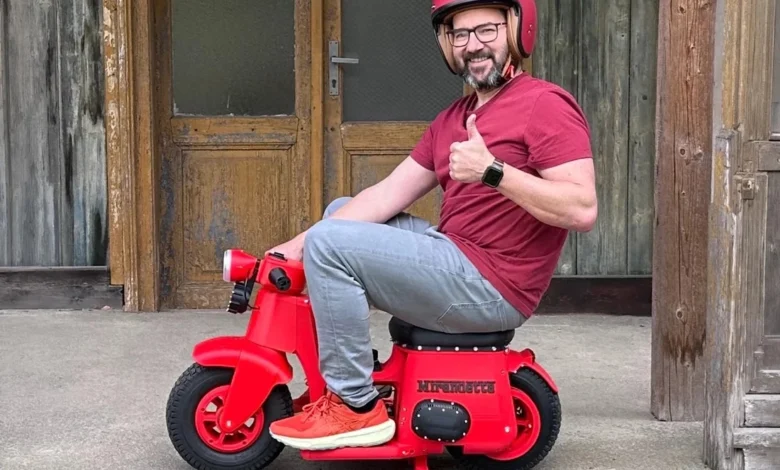
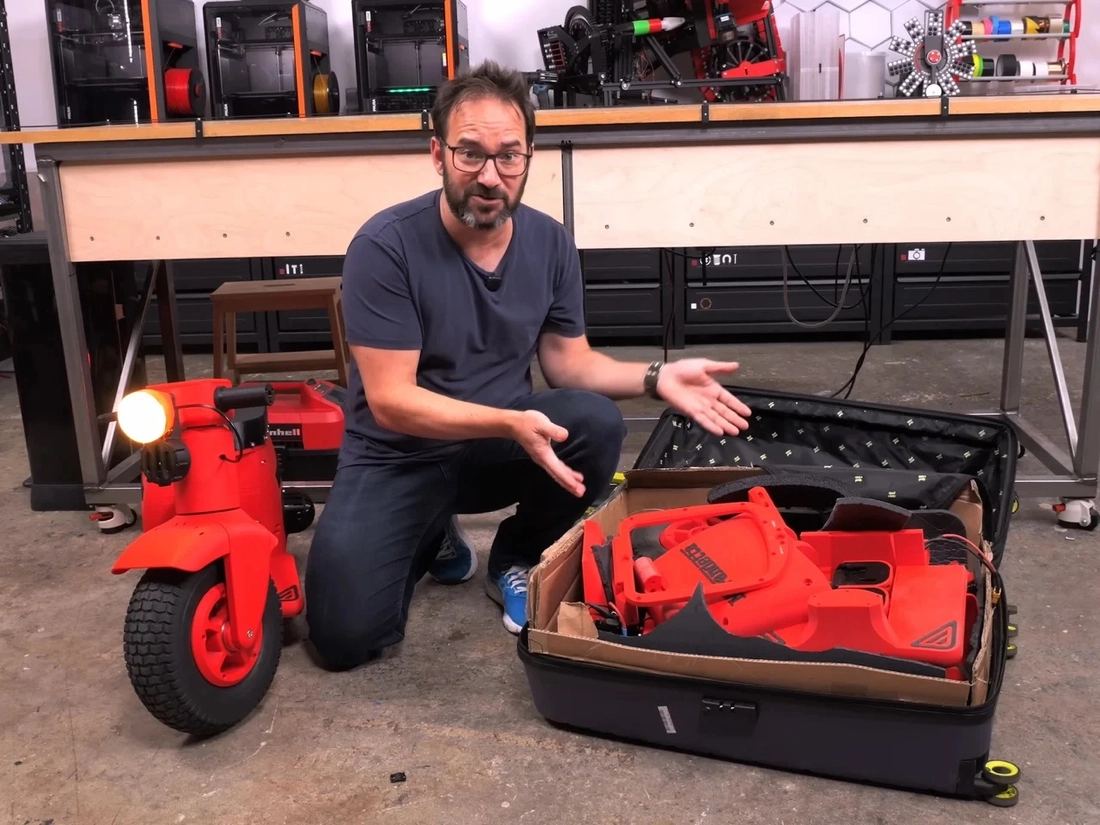
The primary objective of Miranda’s project was to solve the portability issues inherent in electric motorcycles and e-bikes. Most electric bikes, even those labeled as "folding," remain too bulky or heavy for standard air travel, often requiring expensive specialized shipping. By utilizing a modular design, Miranda created a chassis and structural components that can be entirely disassembled into individual segments. These parts are sized precisely to nest within a standard large suitcase, allowing the user to transport their primary mode of transportation as checked baggage.
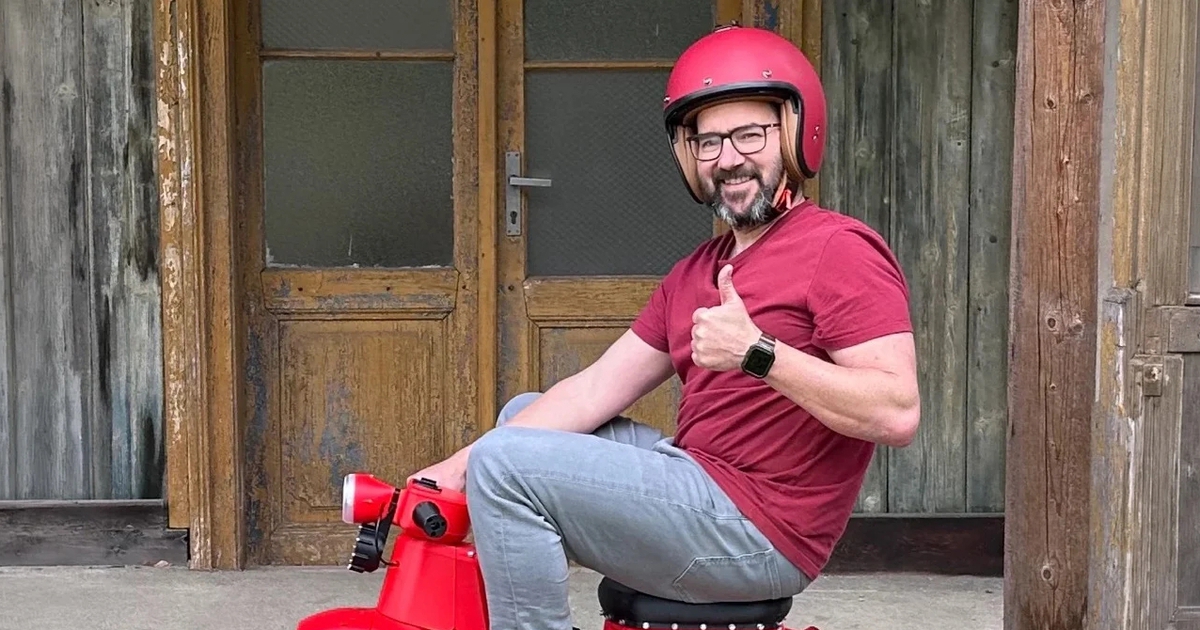
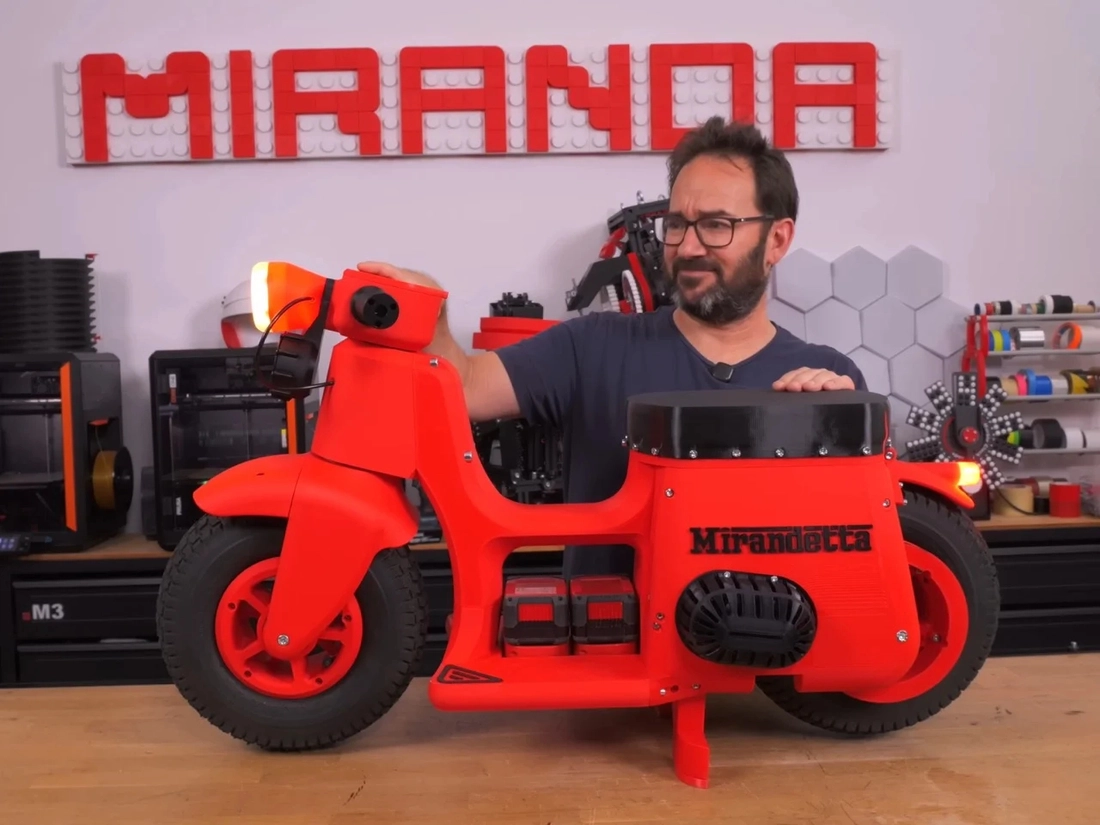
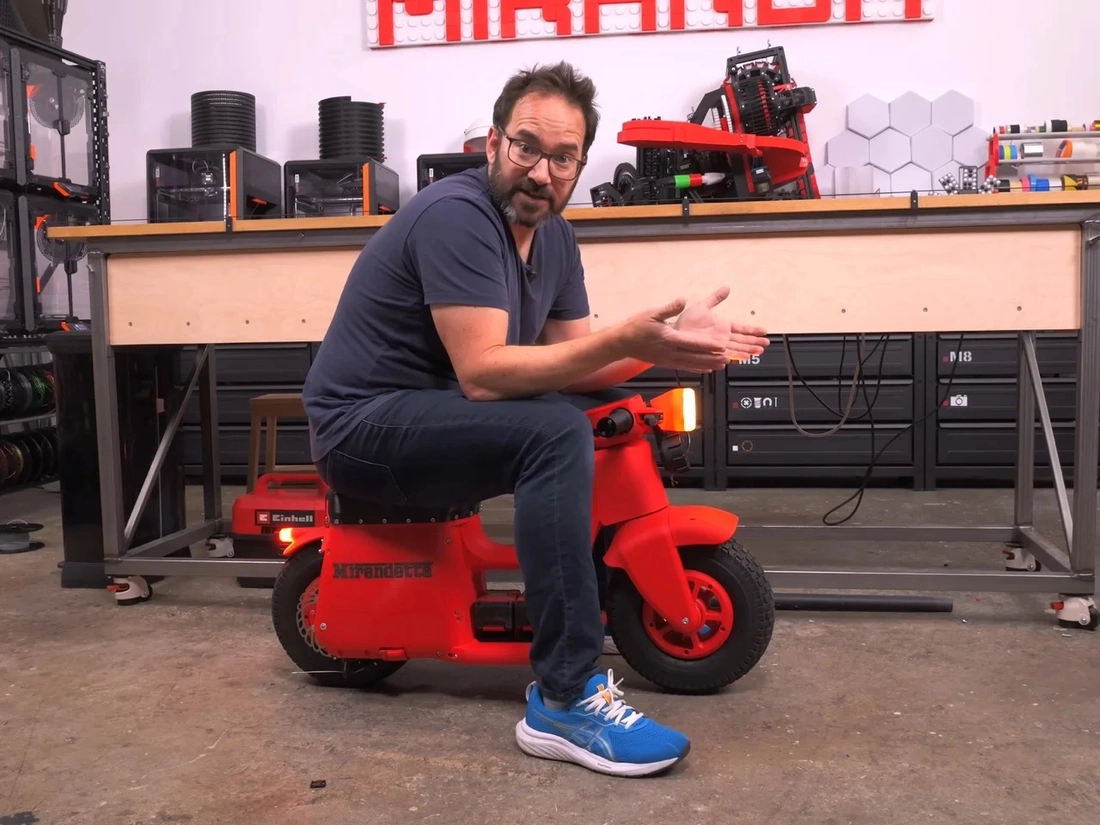
The motorcycle’s frame is composed almost entirely of 3D-printed plastic components. To achieve the necessary rigidity and durability, Miranda employed a modular interlocking system that allows the various segments of the body to be bolted together securely. This modularity not only facilitates transport but also allows for the easy replacement of individual parts should they become damaged or worn over time. According to technical specifications provided by the designer, the completed vehicle weighs approximately 14 kilograms (roughly 31 pounds) excluding the battery packs. This weight is significant because it remains well within the standard 23-kilogram weight limit imposed by most international airlines for checked luggage, leaving ample room for tools and the necessary electronic components.
Innovations in Component Sourcing and Modification
One of the most significant engineering hurdles in the development of a small-scale motorcycle is the sourcing of appropriate tires. Standard motorcycle tires are heavy and non-collapsible, while bicycle tires often lack the surface area required for stable motorized travel. Miranda opted for a highly unconventional solution: repurposing tires originally designed for lawnmowers.
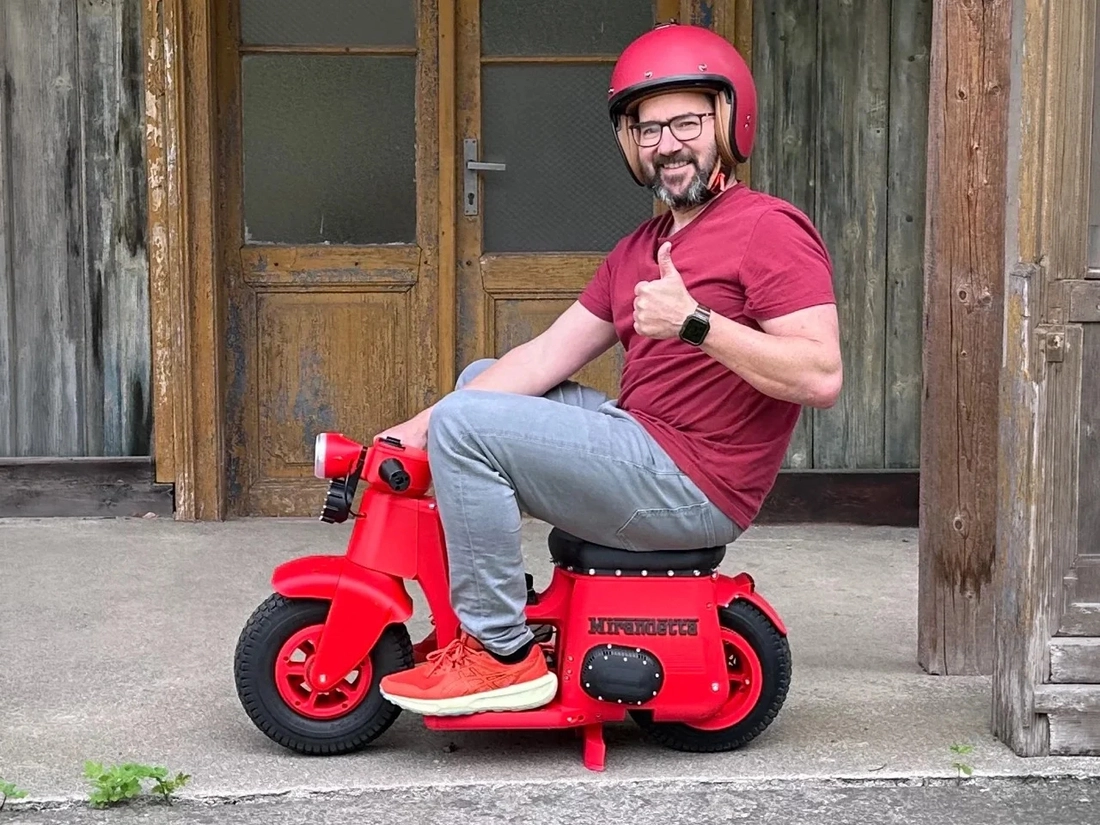
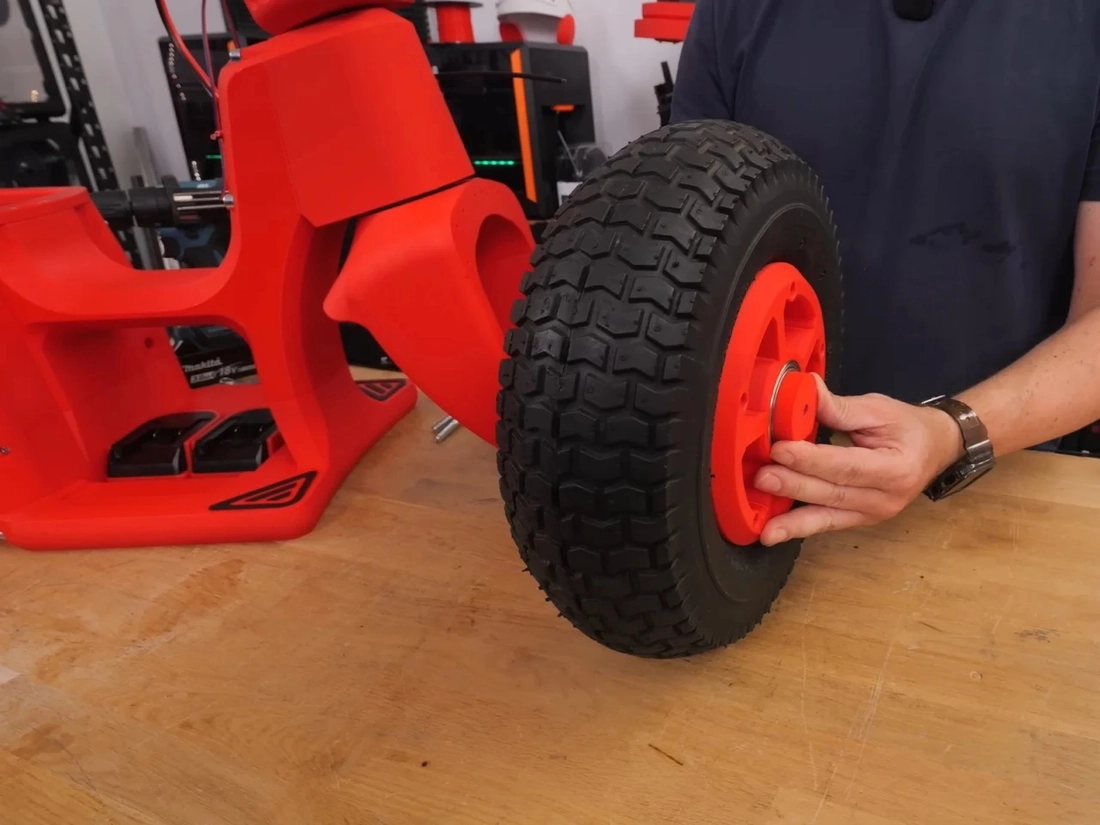
Lawnmower tires are typically characterized by a flat profile, which is ideal for stability on grass but dangerous for a motorcycle, as it prevents the rider from safely leaning into turns. To rectify this, Miranda engineered custom 3D-printed rims that are narrower than the original manufacturer’s specifications. By forcing the edges of the tire closer together, the internal air pressure causes the tread to bulge into a rounded, convex shape. This modification effectively transforms a flat utility tire into a curved motorcycle-style tire, providing the necessary contact patch for cornering and high-speed stability.
The propulsion system is equally resourceful. The motorcycle is powered by a belt-driven motor fueled by two 36V power tool batteries. The choice of tool batteries is a strategic decision for the modern traveler; these batteries are widely available, can be charged with standard consumer chargers, and in some configurations, comply with specific airline regulations regarding lithium-ion transport (though users are cautioned to check current TSA and FAA guidelines). To power the auxiliary systems, a DC-DC converter steps the voltage down to 12V, allowing for the operation of a standard horn and LED lighting system.
Control Systems and Structural Integrity
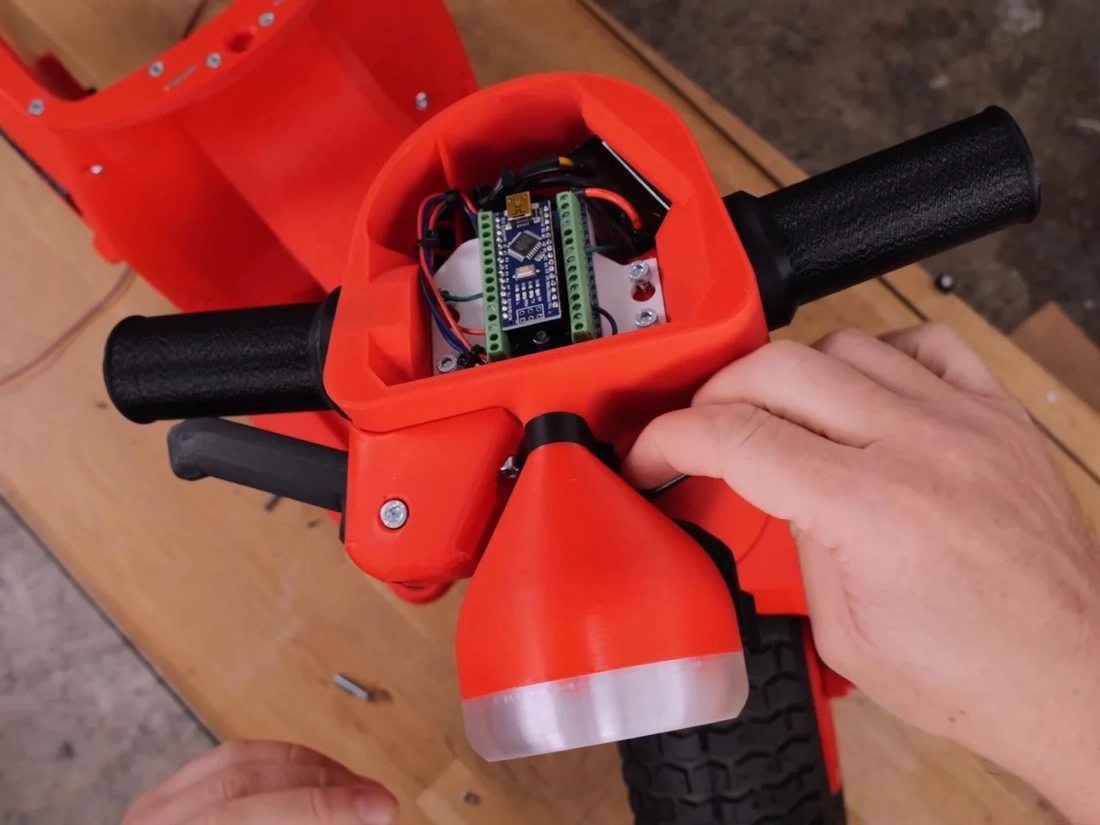
The "brain" of the motorcycle is an Arduino microcontroller, which manages the input from the throttle and regulates power delivery to the motor. In a display of integrated design, the throttle handle contains a hidden potentiometer within its 3D-printed housing, providing a seamless and ergonomic interface for the rider. The braking system utilizes modified mechanical disc brakes from a mountain bike, which have been adapted to interface with the 3D-printed wheel hubs.
While the majority of the vehicle is plastic, Miranda recognized the limitations of additive manufacturing when faced with high-stress mechanical points. The front fork and steering column—the areas subject to the highest amount of torque and impact from road surfaces—are fabricated from machined aluminum. This hybrid material approach ensures that the vehicle remains safe under the weight of an adult rider while keeping the overall manufacturing process accessible to those with a high-end 3D printer and basic metalworking tools.
Timeline of Development and Recognition
The development of the suitcase motorcycle followed a rigorous prototyping phase that spanned several months. Miranda began with initial CAD (Computer-Aided Design) models to test the modularity of the frame. Early tests revealed that while the plastic was strong enough to support static weight, the vibrations of the road necessitated a rethink of the interlocking joints.
After several iterations, the final version was completed in time for the Maker Faire Prague, a premier international event showcasing innovation in the "maker" community. The project was entered into the category for "Suitcase-Sized Projects," where it claimed the top prize. The judges cited the project’s successful integration of multiple disciplines—mechanical engineering, electronics, and additive manufacturing—as well as its practical application for future urban transport.
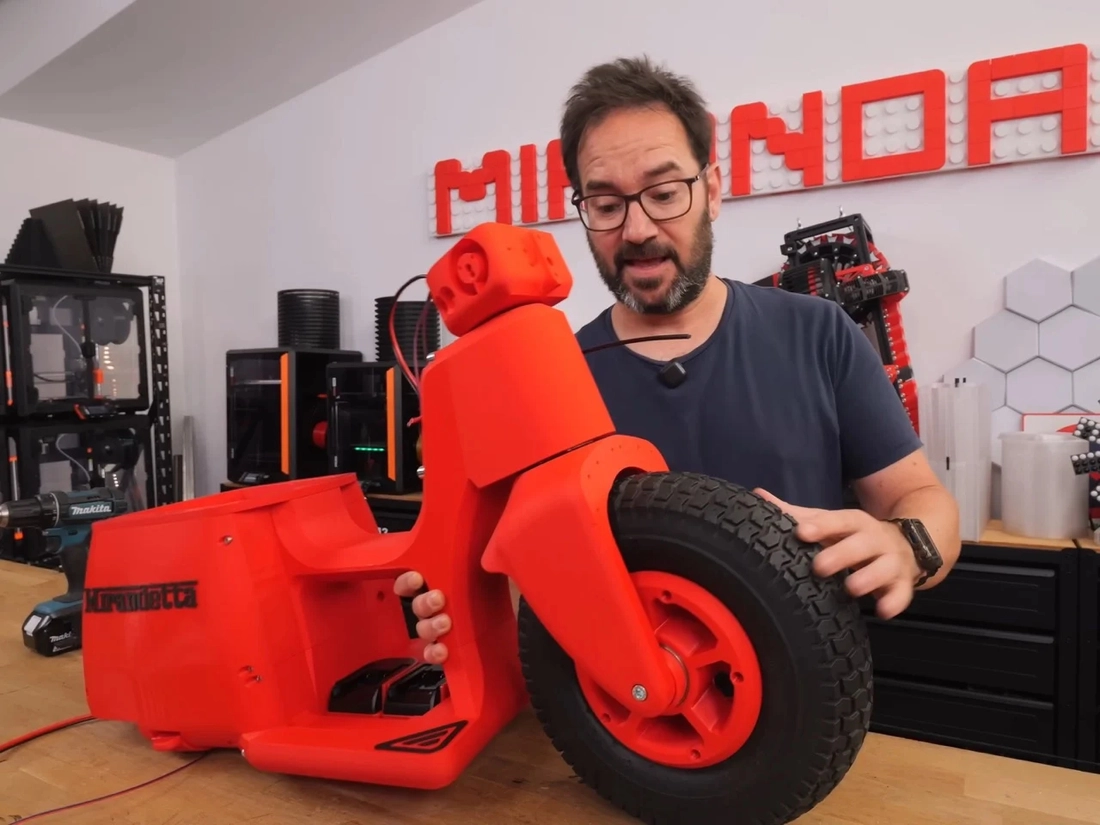
Following the success at Maker Faire, Miranda has continued to refine the design. He has recently replaced several of the original metal fasteners and brackets with optimized 3D-printed versions to further reduce weight and simplify the assembly process for other hobbyists.
Supporting Data and Market Context
The emergence of Miranda’s 3D-printed motorcycle comes at a time when the global micro-mobility market is experiencing unprecedented growth. Industry analysts suggest that the market for electric two-wheelers is expected to reach a valuation of over $100 billion by 2030. Within this sector, there is a growing niche for "portable" EVs.
- Weight Efficiency: At 14kg, Miranda’s motorcycle is lighter than many premium electric scooters, which typically range between 18kg and 25kg.
- Manufacturing Accessibility: The ability to print a vehicle at home represents a shift toward "distributed manufacturing," where digital files are shared globally and produced locally, reducing the carbon footprint associated with shipping physical goods.
- Cost-Effectiveness: By using off-the-shelf components like bicycle brakes and tool batteries, the total cost of materials is significantly lower than that of a commercially produced electric motorcycle.
Safety Analysis and Legal Implications
Despite the ingenuity of the design, the 3D-printed motorcycle remains an experimental prototype. Miranda has been transparent regarding the vehicle’s limitations, noting that it has not undergone the rigorous safety testing required for Department of Transportation (DOT) or European Union (EU) road certification.
The structural integrity of 3D-printed parts is subject to variables such as print orientation, filament quality, and environmental temperature. PLA (Polylactic Acid), a common 3D printing material, has a relatively low melting point and can become brittle when exposed to prolonged sunlight, which could pose risks for a vehicle used in hot climates. Furthermore, the lack of a formal suspension system means that the 3D-printed frame must absorb all road shocks, which could eventually lead to fatigue and catastrophic failure of the plastic joints.
Legally, the vehicle occupies a "gray area." In many jurisdictions, motorized vehicles must meet specific safety standards (including lighting, braking distances, and mirror placement) to be used on public roads. As an uncertified, home-built EV, the suitcase motorcycle is currently restricted to private property or designated experimental testing zones.
The Future of Additive Micro-Mobility
The implications of Ivan Miranda’s work extend beyond the novelty of a "bike in a box." It serves as a proof of concept for the democratization of vehicle design. By selling the design files and material lists on his personal website, Miranda is enabling a global community of makers to build, modify, and improve upon his work. This open-sourced approach to engineering could lead to further innovations in lightweight materials and energy-efficient transport.
As 3D printing technology continues to evolve—with the rise of carbon-fiber-reinforced filaments and metal 3D printing—the gap between "hobbyist prototypes" and "consumer-ready vehicles" is narrowing. The suitcase motorcycle is a precursor to a future where personal transportation is not something we buy from a dealership, but something we download, print, and take with us wherever we go. While the world may not be ready for 3D-printed motorcycles on every highway, the success of this project proves that the boundaries of what can be built in a home workshop are rapidly expanding.