Vietnam Eyes Low Earth Orbit Satellite Technology for Enhanced Connectivity and National Security

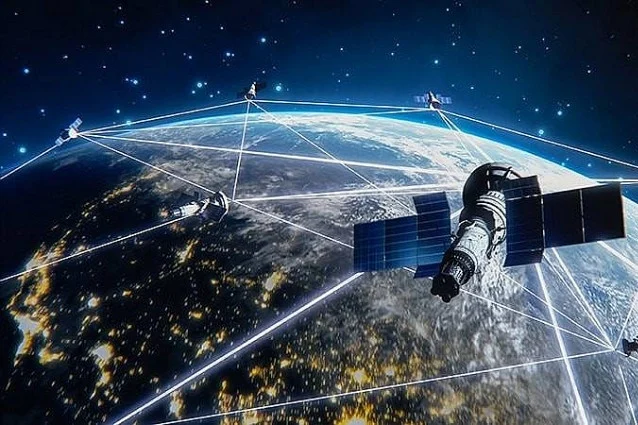
Vietnam is actively developing policies to foster the growth of low Earth orbit (LEO) satellite technology, signaling a strategic pivot towards enhancing national connectivity, driving scientific and technological advancement, and bolstering digital transformation initiatives. This move comes as the country seeks to capitalize on the burgeoning global satellite market and ensure its own stake in this critical technological frontier.
National Assembly Approves Key Policy Shifts for Technological Advancement
The Vietnamese National Assembly recently passed a resolution that empowers the Ministry of Information and Communications (MIC) to implement specific policies aimed at accelerating the development and deployment of LEO satellite technology. This landmark decision, reached on February 19th, is a significant step in the nation’s broader agenda to foster scientific research, technological innovation, and digital transformation.
One of the most crucial aspects of this resolution is the provision that allows the MIC to control the deployment of telecommunications services utilizing LEO satellite technology. This regulatory oversight is intended to ensure that the development of this advanced technology aligns with national interests, particularly in safeguarding national defense and security.
The directive emphasizes the need for robust telecommunications infrastructure, including satellite-based data transmission, alongside widespread fiber optic networks and advanced mobile technologies like 5G and future 6G networks. The goal is to create a comprehensive, secure, and resilient communication ecosystem capable of meeting the demands of a rapidly evolving digital landscape.
Strategic Imperatives Driving LEO Satellite Adoption
The push for LEO satellite technology is not merely about expanding internet access; it is intrinsically linked to Vietnam’s strategic objectives. The resolution acknowledges the critical role of advanced telecommunications infrastructure in supporting national defense, ensuring security, and fostering economic growth.
Enhancing Connectivity in Underserved Regions
LEO satellites offer a unique solution to bridging the digital divide. Their proximity to Earth allows for lower latency and higher bandwidth compared to traditional geostationary satellites, making them ideal for providing broadband internet services to remote, mountainous, and island regions where terrestrial infrastructure is challenging or cost-prohibitive to deploy. This is particularly relevant for Vietnam, a nation with a diverse geography that includes extensive coastlines and mountainous interiors.
National Security and Resilience
In an increasingly interconnected world, the security of communication networks is paramount. LEO satellite constellations can offer a degree of resilience against physical disruptions, natural disasters, or cyberattacks that might affect ground-based infrastructure. By controlling the deployment of these services, Vietnam aims to ensure that its critical communication channels remain secure and reliable, safeguarding national interests.
Fostering Innovation and Economic Opportunities
The development and integration of LEO satellite technology are expected to stimulate innovation across various sectors. It will create opportunities for Vietnamese businesses and research institutions to engage in satellite development, ground station operations, data analytics, and the creation of new applications and services leveraging satellite connectivity. This aligns with the government’s broader strategy to promote a knowledge-based economy and enhance its competitiveness on the global stage.
Global Landscape of LEO Satellite Technology
Vietnam’s strategic move into LEO satellite technology is occurring within a dynamic and rapidly expanding global market. Several major players are already leading the charge in deploying LEO constellations for global internet coverage.
Key Industry Players and Their Ventures
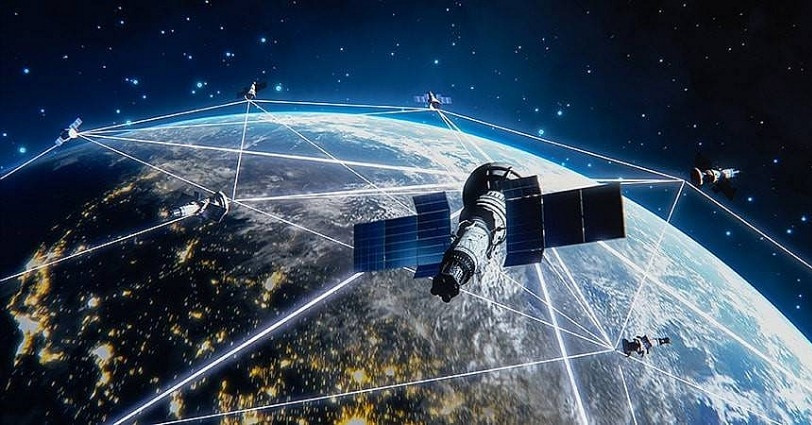
- SpaceX (Starlink): Arguably the most prominent player, SpaceX’s Starlink constellation is rapidly deploying thousands of LEO satellites to provide high-speed, low-latency internet access globally. The company has plans to deploy approximately 42,000 satellites in total to blanket the globe with internet services. As of early 2024, Starlink has already launched over 6,700 satellites.
- OneWeb: Another significant contributor, OneWeb, has launched nearly 500 LEO satellites, focusing on providing connectivity to governments, businesses, and communities worldwide.
- Amazon (Project Kuiper): Amazon is developing its own LEO satellite constellation, Project Kuiper, aiming to offer broadband internet services.
- Telesat, SES, Viasat, LeoSat, Globalstar, Inmarsat, Thuraya, Intelsat: These companies, among others, are also active in the LEO satellite domain, offering various services ranging from broadband to specialized communication solutions.
China’s Growing Ambitions in LEO
China is also emerging as a formidable force in the LEO satellite arena, posing a significant competitive challenge. The nation has announced plans to launch 18 satellites into orbit, bolstering its own constellation. Shanghai Spacecom Satellite Technology, for instance, is working on a massive constellation of 15,000 "low Earth orbit satellites" to blanket space. This aggressive expansion underscores the geopolitical significance of LEO technology.
Vietnam’s Approach to Foreign Investment and Collaboration
The Vietnamese government recognizes that fostering LEO satellite technology requires both domestic development and strategic international partnerships. The MIC is actively working on policies to attract foreign investment while ensuring that these investments align with national security and economic objectives.
Creating an Enabling Environment
The Ministry of Information and Communications is developing specific policies to attract foreign direct investment in the LEO satellite sector. Companies seeking to offer services in Vietnam will be required to obtain necessary licenses and adhere to regulations. This approach aims to create a balanced ecosystem where foreign expertise and capital can contribute to Vietnam’s technological advancement without compromising national sovereignty.
Addressing Security Concerns
A key consideration in Vietnam’s policy development is the dual-use nature of satellite technology. While offering immense benefits for civilian connectivity and economic development, it also has implications for national security. The government’s emphasis on "control" over the deployment of these services signals a commitment to ensuring that the technology is used responsibly and does not pose a threat to national interests. This includes provisions for regulating the number of satellites, their operational parameters, and data handling.
The Role of Domestic Companies and Future Prospects
While foreign companies are poised to play a significant role, Vietnamese enterprises are also beginning to show interest and prepare for the development of LEO satellite services, particularly in telecommunications and internet provision. Companies like Viettel and VNPT are reportedly considering their strategies in this emerging market.
SpaceX’s Interest in Vietnam
SpaceX representatives have previously expressed their desire to collaborate with Vietnam, recognizing the country’s potential and strategic importance. In 2023, during a meeting with Minister of Information and Communications Phan Tam, SpaceX representatives indicated their intention to provide LEO satellite internet services in Vietnam. They highlighted Starlink’s capabilities in offering high-speed, global internet coverage, especially in areas lacking terrestrial infrastructure, such as remote regions, disaster-stricken zones, and even mobile platforms like aircraft and ships.
Laurent Tran Dien, a representative from SpaceX in the Asia-Pacific region, emphasized the critical role of internet connectivity in disaster-prone areas like Southeast Asia, noting its importance for maintaining communication during emergencies such as floods, earthquakes, and typhoons. He also pointed out the unique advantage of Starlink’s ability to provide rapid deployment and high-speed, high-throughput internet even in challenging conditions.
Recommendations for Vietnam
SpaceX has advised Vietnam to accelerate its strategy for developing its network and satellite technology infrastructure. They have offered to support the Vietnamese government in enhancing its internet connectivity capabilities. This collaborative approach suggests a willingness from SpaceX to work within Vietnam’s regulatory framework to bring its services to the market.
The company further highlighted that Starlink’s satellite internet can meet a wide range of connectivity needs, including rapid deployment on planes, ships, and even in remote areas, thereby improving access to education, healthcare, and other essential services for populations in underserved regions.
Conclusion
Vietnam’s proactive approach to developing LEO satellite technology signifies a strategic vision for the future. By carefully balancing the embrace of cutting-edge technology with robust national security considerations, the country aims to leverage these advancements for comprehensive connectivity, economic growth, and enhanced resilience. As the global LEO satellite landscape continues to evolve, Vietnam’s commitment positions it to become a significant player in this transformative technological frontier. The coming years will likely see substantial investments and policy implementations aimed at realizing the full potential of LEO satellites for the benefit of its citizens and its national interests.
Related posts: