Optimal Fruit Selection for Kidney Health Expert Insights on Renal Nutrition and Mineral Management

The human kidneys serve as the body’s primary filtration system, working tirelessly to remove waste products, balance electrolytes, and regulate blood pressure. When these vital organs become compromised through Chronic Kidney Disease (CKD) or other renal impairments, the body’s ability to maintain this delicate internal balance is significantly diminished. One of the most critical aspects of managing kidney health is the careful regulation of dietary intake, particularly concerning minerals like potassium and phosphorus. While fruit is universally recognized as a cornerstone of a healthy diet for the general population, for those with kidney disease, the choice of fruit can mean the difference between maintaining stability and facing life-threatening complications such as hyperkalemia or mineral bone disorder.
The Biological Necessity of Renal-Friendly Diets
For individuals with healthy renal function, the kidneys efficiently process excess potassium and phosphorus, excreting them through urine. However, as kidney function declines, these minerals can accumulate in the bloodstream to dangerous levels. High potassium levels, known as hyperkalemia, can lead to cardiac arrhythmias or even sudden cardiac arrest. Similarly, excessive phosphorus can leach calcium from the bones, leading to skeletal fragility and cardiovascular calcification.
Medical experts, including Dr. Karthik Kumar, a physician based in India, and Dr. John P. Cunha, a prominent medical professional in the United States, have highlighted that the "renal diet" is not about total fruit avoidance but rather about strategic selection. Writing for the medical information platform Medicinenet, these experts emphasize that the ideal fruits for kidney patients are those low in potassium and phosphorus but high in antioxidants, fiber, and anti-inflammatory compounds.
The Superiority of Berries in Renal Nutrition
Berries are frequently cited by nephrologists and renal dietitians as the "gold standard" for kidney-friendly fruits. Their nutritional profile offers a potent combination of low mineral content and high therapeutic value.
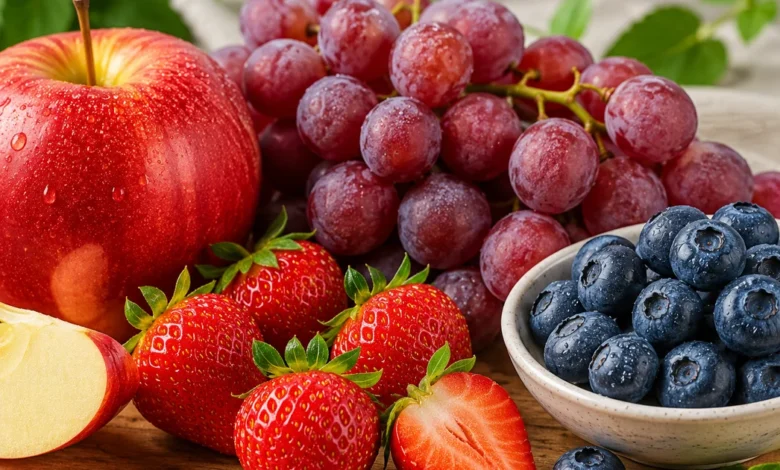
Strawberries: These fruits are rich in two types of phenols: anthocyanins and ellagitannins. Anthocyanins provide the vibrant red color and act as powerful antioxidants that protect cell structures from oxidative damage, a common issue in CKD patients. Research suggests that the anti-inflammatory properties of strawberries can help mitigate the progression of kidney damage. Furthermore, they are an excellent source of Vitamin C, manganese, and dietary fiber, all while remaining within the safe limits for potassium consumption.
Blueberries: Often referred to as a "superfood," blueberries are particularly beneficial for those monitoring their mineral intake. One cup of blueberries contains approximately 114 mg of potassium and 18 mg of phosphorus, making them an exceptionally safe choice for Stage 3 and Stage 4 CKD patients. The high concentration of anthocyanidins in blueberries does more than just protect the kidneys; it also supports cardiovascular health and liver function, which are often co-morbidities in renal patients.
Raspberries: These berries contain a specific phytonutrient called ellagic acid, which helps neutralize free radicals in the body. Beyond their antioxidant capacity, raspberries are high in fiber, Vitamin C, and manganese. They also provide a healthy dose of folate and Vitamin B, which are essential for preventing anemia, a common complication in chronic kidney disease.
Cranberries: While famous for their role in preventing Urinary Tract Infections (UTIs), cranberries are also vital for kidney health. They contain proanthocyanidins, which prevent bacteria from sticking to the lining of the urinary tract and bladder. For a kidney patient, preventing infections is crucial, as any systemic infection can place additional strain on renal filtration.
Apples and Grapes: The Role of Soluble Fiber and Resveratrol
Beyond the berry family, apples and grapes offer significant benefits for renal patients due to their unique chemical compositions.
Apples: A medium-sized apple typically contains about 195 mg of potassium and 20 mg of phosphorus. While this is slightly higher than some berries, the high pectin content—a type of soluble fiber—makes apples invaluable. Pectin helps lower cholesterol and blood glucose levels, reducing the strain on the kidneys caused by diabetes and hypertension, the two leading causes of renal failure. Additionally, the anti-inflammatory compounds in apples help maintain the integrity of the nephrons, the functional units of the kidney.
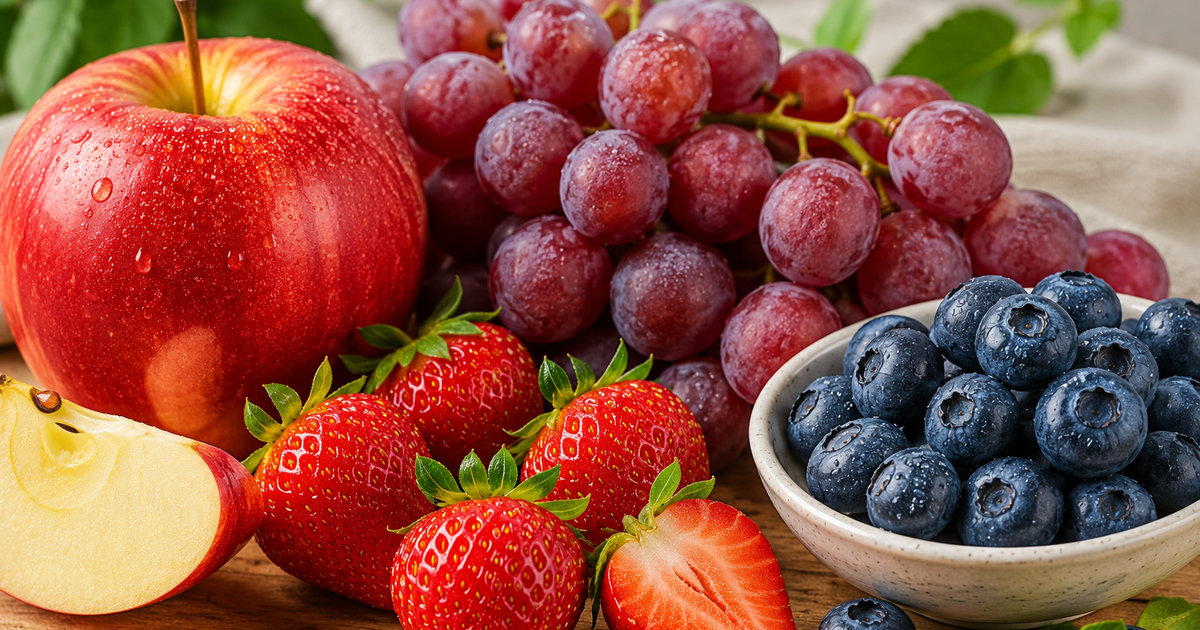
Grapes: Red and purple grapes are rich in flavonoids, particularly resveratrol. This compound has been studied extensively for its ability to reduce inflammation and protect the heart. Since cardiovascular disease is the leading cause of death among people with kidney disease, the heart-protective benefits of grapes are of paramount importance. Grapes are also considered a low-potassium fruit, provided they are consumed in controlled portions (approximately 15 grapes per serving).
Pineapple: A Tropical Exception
Most tropical fruits, such as mangoes, papayas, and bananas, are strictly limited on a renal diet due to their high potassium content. Pineapple, however, stands out as a kidney-friendly tropical alternative. Not only is it lower in potassium than its tropical counterparts, but it also contains bromelain. Bromelain is an enzyme with potent anti-inflammatory properties that may help in breaking down certain types of kidney stones and reducing swelling in the body. Pineapple is also a rich source of fiber and Vitamin C, supporting the immune system without overloading the blood with minerals the kidneys cannot process.
The Danger of High-Potassium Fruits
To understand the importance of the aforementioned fruits, one must look at the risks associated with the "Red List" of fruits for kidney patients. Medical professionals strictly advise patients with advanced CKD to limit or avoid:
- Bananas: Known for their high potassium content (approx. 420 mg per medium fruit).
- Avocados: While healthy for the heart, a single avocado can contain nearly 700 mg of potassium.
- Oranges and Orange Juice: A staple of the Western diet that can quickly lead to mineral spikes.
- Kiwi and Melons: Specifically cantaloupe and honeydew, which are significantly higher in potassium than berries or apples.
- Dried Fruits: Such as raisins, prunes, and dried apricots, where the minerals are concentrated due to the removal of water.
Global Context and the Burden of Kidney Disease
The dietary advice provided by Dr. Kumar and Dr. Cunha comes at a time when Chronic Kidney Disease is becoming a global health crisis. According to the World Health Organization (WHO), CKD affects approximately 10% of the world’s population. In many developing nations, the rise of Type 2 diabetes and hypertension has led to a surge in renal failure cases.
In the United States, the Centers for Disease Control and Prevention (CDC) estimates that 37 million adults have CKD, though many remain undiagnosed until the later stages. In India, the prevalence is similarly staggering, with an estimated 1 in 10 individuals suffering from some form of chronic kidney impairment. This geographical spread highlights why international medical collaboration, such as the insights shared by doctors across India and the U.S., is essential for establishing universal dietary guidelines.
Chronology of Dietary Intervention in CKD
The management of fruit intake typically follows a specific timeline based on the progression of the disease:
- Stages 1-2 (Early Stage): Focus is on a balanced diet with moderate salt reduction. Potassium and phosphorus restrictions are usually not yet necessary unless the patient has specific complications.
- Stage 3 (Moderate Decline): This is the critical "pivot point" where doctors begin monitoring blood potassium levels closely. Patients are often introduced to the concept of "leaching" vegetables and choosing low-potassium fruits like apples and berries.
- Stages 4-5 (Advanced/End-Stage): Strict mineral management is mandatory. At this stage, the kidneys are functioning at less than 30% capacity. Fruit intake is often limited to 2-3 small servings of the lowest-potassium options per day.
- Dialysis: For patients on hemodialysis, potassium management is a daily struggle between treatments. The dietary choices mentioned—strawberries, blueberries, and pineapple—become essential tools for maintaining life between dialysis sessions.
Expert Analysis and Implications
The shift toward "food as medicine" in nephrology reflects a broader trend in modern healthcare. By focusing on specific antioxidants like anthocyanins in strawberries or bromelain in pineapple, doctors are moving beyond simple mineral restriction toward proactive renal protection.
The recommendation to consume whole fruits rather than juices is another critical point of analysis. Whole fruits provide dietary fiber, which slows the absorption of sugars. This is vital because many kidney patients also struggle with insulin resistance. Furthermore, the act of chewing and the volume of whole fruit provide greater satiety, helping patients adhere to what can often be a restrictive and difficult diet.
Conclusion and Future Outlook
The guidance provided by experts like Dr. Karthik Kumar and Dr. John P. Cunha serves as a vital resource for the millions of individuals navigating the complexities of renal health. The transition to a kidney-friendly diet does not necessitate the abandonment of flavor or nutrition; rather, it requires an educated approach to selection.
As research continues into the phytonutrients found in berries and the enzymatic benefits of fruits like pineapple, the "renal diet" is likely to become even more nuanced. For now, the message remains clear: for those with kidney disease, the bowl of fruit should be filled with the deep blues of blueberries, the bright reds of strawberries, and the crisp whites of apples. These are not just snacks; they are strategic interventions in the ongoing effort to preserve renal function and improve the quality of life for patients worldwide. For those with severe conditions or those undergoing dialysis, these dietary choices must always be coordinated with a healthcare provider to ensure they align with individual blood chemistry and treatment goals.
Related posts: