Nữ giao liên Biệt động Sài Gòn và hành trình vượt bom B52 giấu mật thư dưới đế giày con trai năm 1975

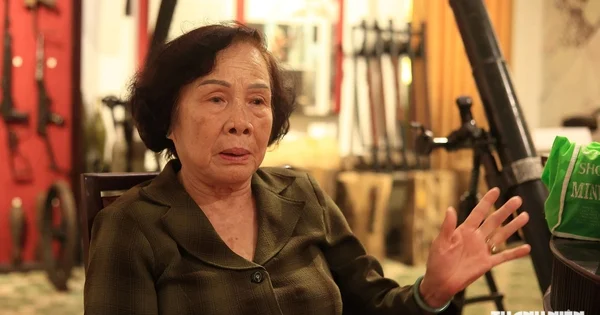
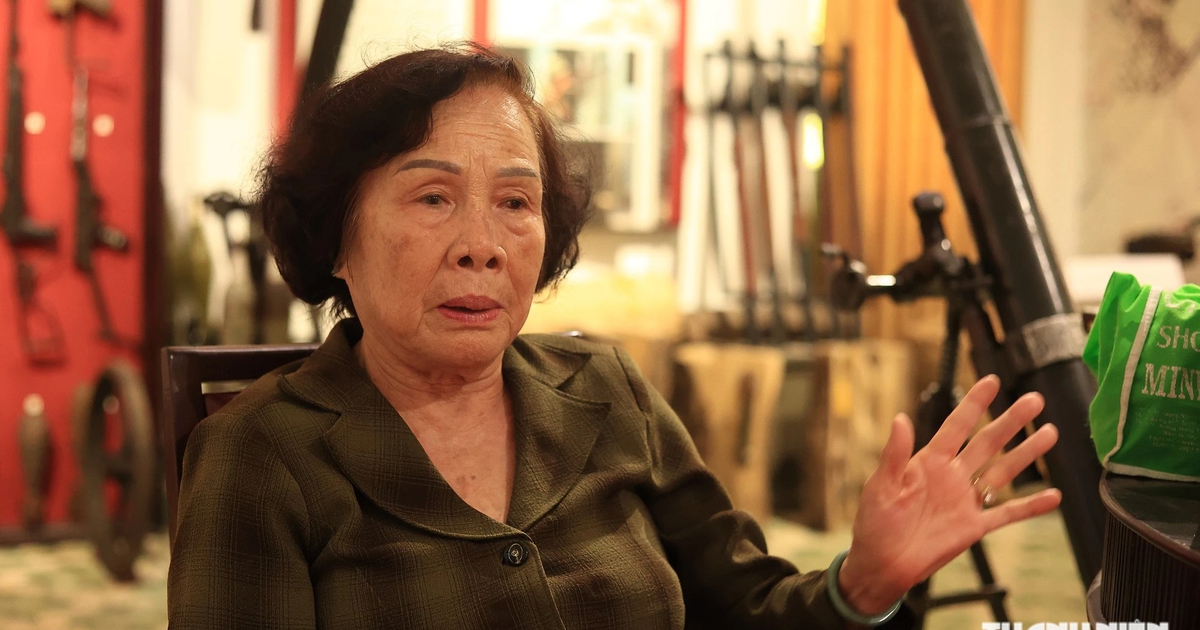
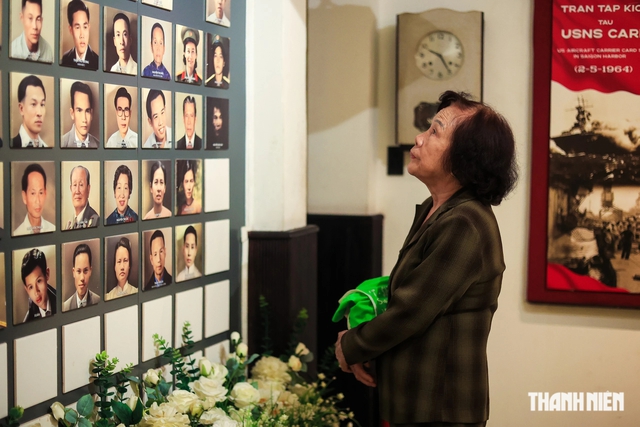
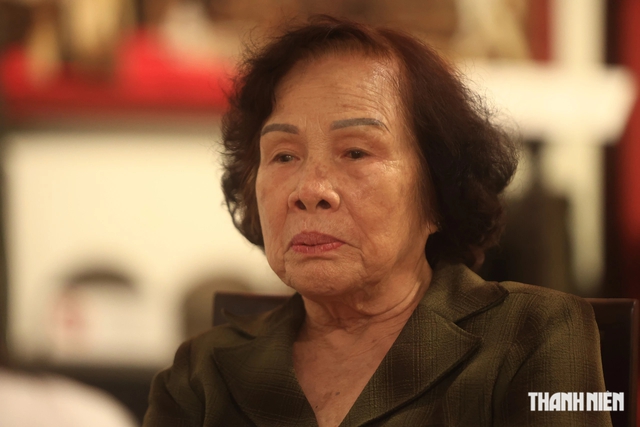
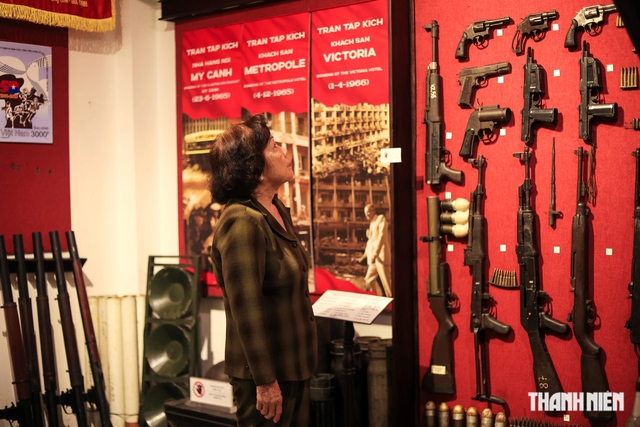
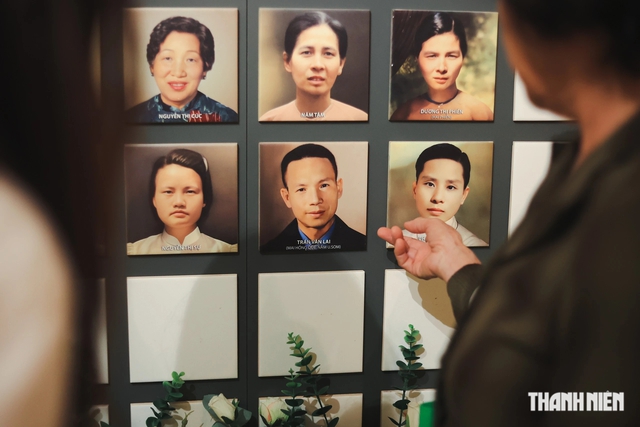
In the quiet halls of the Ho Chi Minh City Special Task Force Museum, 80-year-old Pham Thi Minh Nguyet stands before a wall of honor, her fingers tracing the names of fallen comrades she served with over half a century ago. A former medical nurse and liaison officer, Nguyet is a living testament to the clandestine operations that defined the Vietnam War. Her story—a harrowing blend of battlefield surgery under fire and high-stakes intelligence delivery—offers a rare window into the tactical ingenuity and personal sacrifice of the Special Task Force (Biet Dong Sai Gon) agents.
The history of the Special Task Force is intrinsically linked to the strategic shift of the late 1960s and early 1970s. These units were not traditional infantry; they were urban guerrilla specialists designed to operate within the enemy’s stronghold. Operating under deep cover, they facilitated the Tet Offensive in 1968 and the final Spring Offensive in 1975. Nguyet’s participation during these pivotal moments highlights the logistical backbone of these operations, which relied heavily on the ability to move medical supplies and encrypted intelligence through a landscape saturated with surveillance and heavy weaponry.
Early Life and Commitment to the Cause
Born into an era of upheaval, Nguyet joined the resistance movement in 1962 in the Long An province, an area that served as a critical corridor for northern supplies and personnel heading toward the southern urban centers. Her initial duties were multifaceted, ranging from local political organization and infrastructure support—such as canal digging—to administrative roles. However, the escalation of conflict in 1963 led to a critical shortage of medical personnel. Nguyet was redirected to medical training, a pivot that would define her wartime service.
Her training was rudimentary by modern standards, necessitated by the extreme conditions of the jungle base. Medical supplies were scarce, and the task of caring for wounded soldiers often involved extreme ingenuity. Nguyet recalls the process of sterilizing bandages: they would collect soiled gauze from the wounded, boil it in metal cans over open fires, wash and dry it under the harsh sun, and finally re-sterilize it. This grueling, repetitive cycle was the only way to ensure the survival of those who had been evacuated from the front lines. She often drew strength from the resilience of the soldiers she treated, noting that despite their severe injuries and lack of painkillers, many would stoically tell her to focus on the next patient, insisting they were not in pain.
The Crucible of the 1968 Tet Offensive
The Tet Offensive of 1968 remains the most haunting chapter of Nguyet’s service. The intensity of the fighting in the outskirts of Saigon created a logistical nightmare. As the Special Task Force launched coordinated strikes on key government and military installations, the casualty rates soared. Nguyet’s responsibility was to transport these wounded fighters from the front lines back to the secure base in the Mekong Delta region.
The transit across the Vam Co Dong River was particularly perilous. To evade capture and bombardment, the wounded were laid on small sampans or rafts, paddled silently across the water under the cover of night. In late May 1968, Nguyet faced one of her most harrowing experiences. Returning from a successful evacuation mission, she and her colleagues sensed a change in the atmosphere. Their experience in the field had given them an instinct for danger; they knew the tell-tale silence of the night air often preceded a B-52 strike.
She instructed her fellow soldiers to prepare for an incoming bombardment. Knowing that their medical supplies—the lifeblood of their unit—could be destroyed, she packed the remaining vials and medical tools into a plastic bag, sealing it with rubber bands. As they rowed, the roar of B-52 engines shattered the night. Bombs fell in the water, rocking their small boat. Nguyet clung to the plastic bag, using it as an improvised floatation device as she jumped into the river to evade the blast. They survived by sheer chance, drifting with the current and lying flat against the mud banks, waiting for the strikes to subside.
Intelligence Operations: The 1975 Infiltration
As the war neared its climax in 1975, the nature of the Special Task Force’s operations shifted toward intelligence gathering and the final preparations for the collapse of the Saigon regime. In February 1975, Nguyet was formally integrated into the V16 unit of the 195th Regiment. Her mission was clear: facilitate the movement of senior personnel and, crucially, transport sensitive documents from the rural bases into the heart of Saigon.
By this time, the city was under extreme surveillance. Checkpoints were ubiquitous, and soldiers were trained to search for any signs of insurgent activity. It was here that Nguyet employed a strategy of profound personal risk. Accompanied by her five-year-old son, she traveled through the city’s defensive perimeters. She had painstakingly folded sensitive intelligence documents and hidden them beneath the insoles of her son’s shoes.
The psychological burden of this operation was immense. Every checkpoint was a potential death sentence. She recalls the soldiers rifling through their belongings, probing their bags, and questioning their motives, yet no one thought to check the shoes of a young child. Her son’s presence provided the perfect, albeit dangerous, cover. By maintaining a facade of a civilian mother and child navigating the city, she bypassed layers of security that would have surely detected a lone adult carrying such materials. This successful delivery of intelligence proved vital in coordinating the final movements of the liberation forces.
Legacy and Humanitarian Work
Following the conclusion of the war in 1975, Nguyet transitioned away from the clandestine life. She continued her service in the medical field, working in the Ben Luc region and later in Tay Ninh, until her retirement in 2002. However, the ethos of service that defined her youth did not end with her retirement. For the past two decades, she has been an active member of the Red Cross of Ho Chi Minh City.
Her current work involves leading medical missions to underserved rural areas in Vietnam, Laos, and Cambodia. These missions provide free medical checkups and medicine to thousands of people who otherwise lack access to basic healthcare. This transition from a wartime medic to a humanitarian volunteer is consistent with the values she championed throughout her life.
Historical Context and Broader Impact
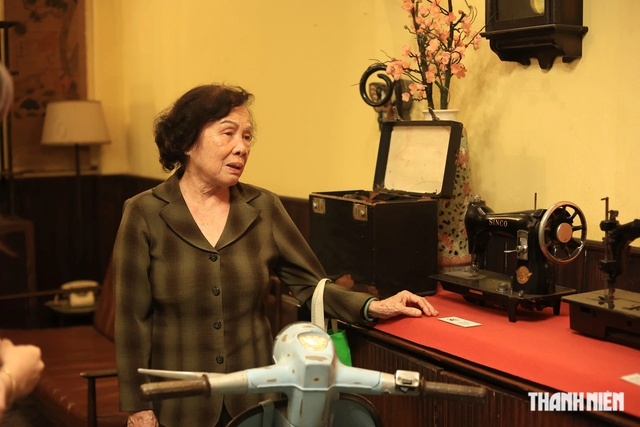
The story of individuals like Pham Thi Minh Nguyet provides essential context to the broader history of the Vietnam War. While military historians often focus on troop movements, ballistic capabilities, and high-level political decisions, the survival of these forces relied on the "shadow logistics" performed by individuals like Nguyet. The ability to maintain medical health and intelligence flow within the enemy’s capital required a level of discipline and personal sacrifice that is often overlooked in traditional military accounts.
The use of urban warfare by the Special Task Force forced the opposing forces to divert significant resources to internal security, effectively creating a "war within a war." This strategy proved to be a decisive factor in the eventual outcome of the conflict, as it destabilized the administrative and military cohesion of the South.
As Nguyet looks back on her life, she remains modest about her contributions. She views her actions not as heroic, but as a necessary response to the circumstances of her generation. Her story serves as a reminder of the human cost of the conflict and the profound impact that individual determination can have on the trajectory of national history. Through the preservation of these stories in museums like the one in Ho Chi Minh City, future generations are offered a deeper, more nuanced understanding of the war—one that recognizes the bravery of the nameless soldiers who fought, bled, and sacrificed in the shadows.