The strategic capture of the port city of Mocha and surrounding islands marks a critical escalation in the Yemen conflict, providing the Houthi movement with a stranglehold over the Bab al-Mandab Strait. This development, confirmed by local officials and military analysts, signifies a major shift in the maritime security landscape of the Red Sea, a vital artery for global trade connecting Asia and Europe via the Suez Canal.
On September 10, Houthi fighters advanced into the strategic port city of Mocha. Military sources on the ground described a coordinated offensive that saw government forces—backed by an international coalition and Saudi Arabia—retreating under heavy pressure. By the following day, local authorities confirmed that Houthi units had established a foothold on Mayyun Island (also known as Perim), situated at the narrowest point of the Bab al-Mandab Strait. A local official stated, "The Houthis have effectively completed their control over the Bab al-Mandab area and Mayyun Island, which sits directly in the center of the strait."
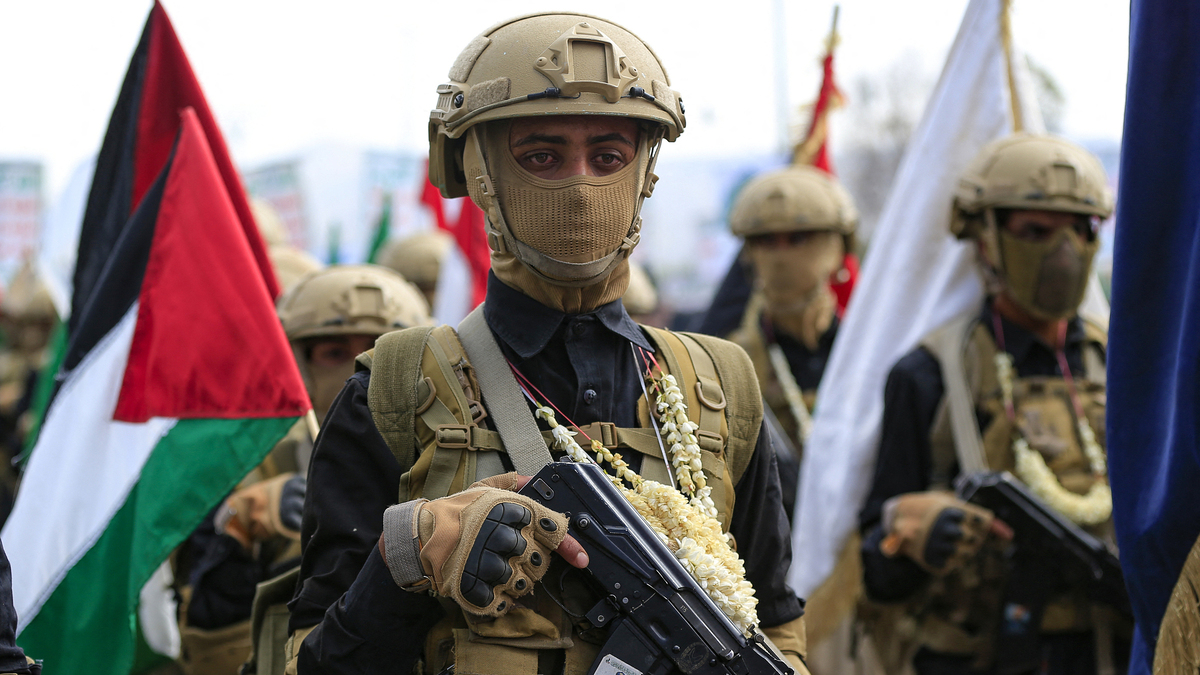
Video footage released shortly after the operation shows Houthi militants present within Mocha and at the city’s airport, where they reportedly seized large caches of weapons and military equipment. Tarek Saleh, leader of the National Resistance Forces and a prominent figure within the internationally recognized Yemeni government, acknowledged the loss, describing the retreat from Mocha as a significant setback for government-aligned forces.
A Chronology of Escalation
The offensive began in earnest on September 3, when Houthi forces applied simultaneous pressure on three distinct fronts: the western outskirts of Taiz, the area south of Hodeidah, and the coastal hub of Mocha. This multi-pronged approach was designed to stretch the defensive capabilities of the Yemeni government, which has struggled to maintain its line of defense against the increasingly sophisticated tactics of the Houthi movement.
The timeline of the current conflict in Yemen has seen a marked resurgence since July, following a period of relative calm initiated by a 2022 ceasefire agreement. The Houthi decision to break this stalemate by targeting maritime infrastructure and government positions indicates a shift toward a more aggressive, offensive posture, likely intended to project power and gain leverage in potential future negotiations.

Strategic Importance of the Bab al-Mandab Strait
The Bab al-Mandab Strait is one of the world’s most critical maritime chokepoints. Roughly 12% of global trade and a significant portion of the world’s oil supply pass through this narrow passage annually. Control over Mocha and nearby islands allows the Houthi movement to transition from simple harassment of vessels to a more formal blockade.
Before the seizure of Mocha, the Houthis had already demonstrated their capability to target commercial and military vessels using Unmanned Aerial Vehicles (UAVs) and anti-ship cruise missiles. However, the occupation of these specific coastal positions significantly lowers the threshold for such attacks. By stationing surveillance equipment, anti-ship batteries, and Unmanned Surface Vessels (USVs) at these points, the Houthis can now monitor and intercept traffic with far greater precision.
Howard Altman, an editor for the defense-focused outlet The War Zone, notes that the Houthis are among the vanguard of non-state actors integrating these types of asymmetric weapons into their core strategy. "Mocha will be a new potential location for the Houthis to monitor, as well as to deploy sea mines, UAVs, and USVs," Altman stated.

Supporting Data and Maritime Impact
Data from Lloyd’s List Intelligence indicates that the flow of vessels through the Bab al-Mandab Strait has already been adversely affected. In the period between July 27 and August 23, the average number of ships transiting the strait was 273 per week. In contrast, before the Houthis ramped up their maritime blockade efforts in late July, the average was 319 vessels per week, representing a 15% decline in traffic.
The economic consequences are already being felt globally. Saudi Arabia has been shipping millions of barrels of oil through pipelines to the Red Sea port of Yanbu to mitigate potential shortages caused by the Middle Eastern instability. However, the increased threat to maritime traffic has forced many shipping companies to divert vessels around the Cape of Good Hope, significantly increasing shipping costs, insurance premiums, and transit times.
International and Regional Reactions
The regional implications of this Houthi advancement are profound. Saudi Arabia, which has been a primary backer of the Yemeni government, finds its energy infrastructure under renewed threat. Recent attacks by the Houthis on Aramco facilities in Jazan—a port city on the Red Sea—have highlighted the vulnerability of critical regional energy assets.

While international powers, including the United States, have remained cautious, the persistent nature of these attacks has reignited debates regarding a more robust international intervention. Military experts suggest that the U.S. Navy and other coalition forces, currently strained by months of continuous deployment in the region, are facing a "too much, too soon" scenario. The prospect of having to mount a dedicated, large-scale counter-offensive against Houthi coastal positions is a diplomatic and military challenge that many in the international community are currently trying to avoid.
Analysis of Future Implications
The fall of Mocha represents what many analysts believe to be a potential turning point in the Yemeni conflict. Wolfgang Pusztai, a defense expert, stated, "Mocha was the last remaining port city held by the Yemeni government. Its fall could lead to the complete dissolution of government forces in southern Yemen."
The Houthi strategy appears to be a replication of the Iranian model used in the Strait of Hormuz. By controlling territory on both sides of the strait—or at least having the ability to strike from multiple islands like Perim and Zuqar—they can effectively dictate the terms of passage for international shipping.
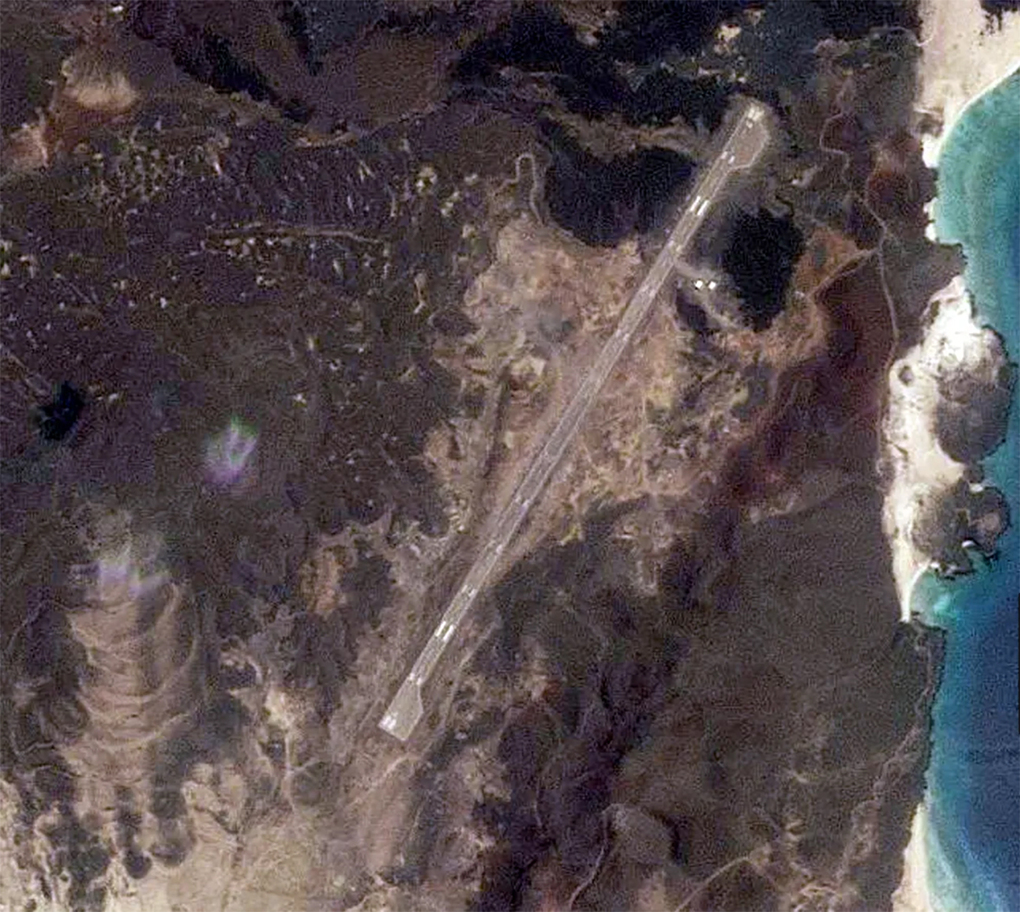
The island of Zuqar, which has been under the control of the Yemeni government since 1998, has also been a focus of recent satellite imagery analysis. Reports suggest that infrastructure, including a runway, may have been constructed there. While it remains unconfirmed who is responsible for the construction, the presence of such assets in the hands of the Houthis would further solidify their dominance over the northern approaches to the Red Sea.
As the situation unfolds, the international community faces a difficult balancing act. The Houthi movement has effectively turned the tide of the conflict by prioritizing the control of maritime chokepoints. This shift not only challenges the sovereignty of the recognized Yemeni government but also forces the global shipping industry to adapt to a new, more dangerous reality in the Red Sea. Whether the current international coalition can reverse these gains or if they will be forced to negotiate with a more empowered Houthi leadership remains the central question for the coming months.
With the conflict intensifying, the focus now shifts to the diplomatic front and whether global powers will choose to increase their military presence to protect the vital lanes or seek a new, more comprehensive ceasefire that accounts for the changed military reality on the ground. For the time being, the "yết hầu" (yết-hầu) or "chokepoint" of the Red Sea remains firmly under the influence of those who hold the keys to the coast.