Why Ho Chi Minh City Proposes Up to 20 Million VND Monthly Subsidy for Rotating Doctors at Grassroots Health Stations


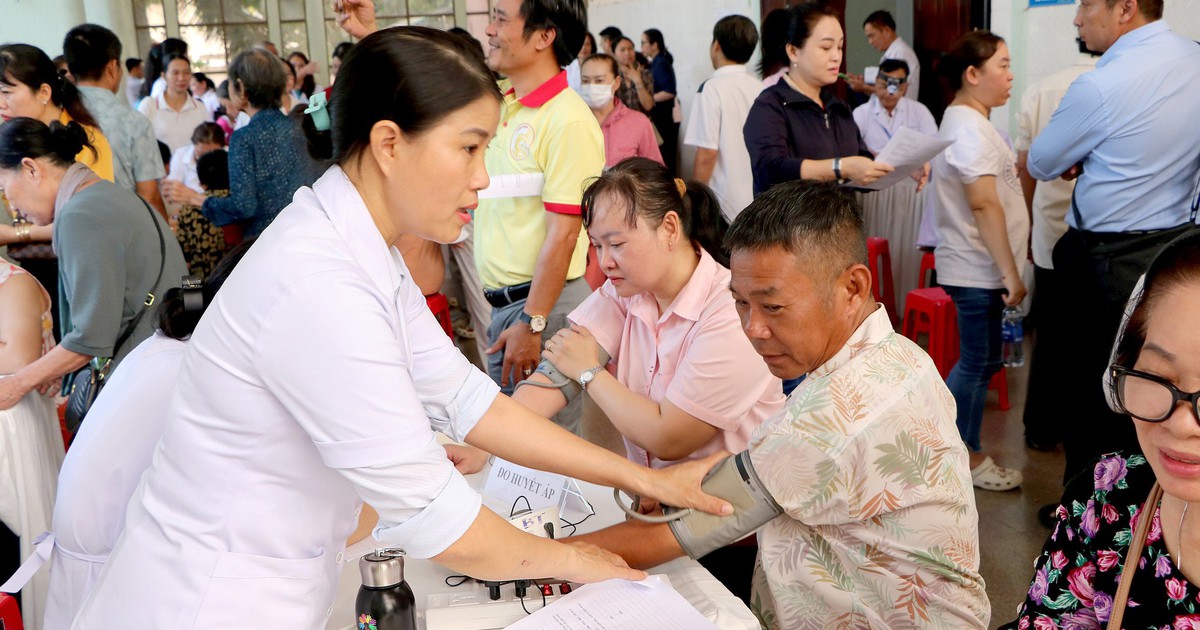
Ho Chi Minh City is taking aggressive steps to bridge the healthcare gap between major metropolitan medical centers and grassroots facilities by proposing a substantial financial incentive program. Under a newly drafted resolution submitted by the Ho Chi Minh City Department of Health, medical professionals participating in the mandatory or voluntary rotation system to public primary care clinics, regional general clinics, and communal health stations will receive unprecedented monthly allowances reaching as high as 20 million Vietnamese đồng (VND). This strategic fiscal initiative aims to revitalize community-level healthcare, ease the burden on overcrowded upper-tier hospitals, and ensure that residents in outlying, suburban, and island districts receive equitable, high-quality medical services.
The Growing Strain on Grassroots Healthcare Infrastructure
The necessity for this robust financial intervention stems from a combination of administrative restructuring, expanding urban populations, and an evolving healthcare landscape within Vietnam’s southern economic hub. Following recent adjustments to administrative boundaries across Ho Chi Minh City, the operational jurisdiction and population density managed by local health stations have grown exponentially. Consequently, the daily workload and clinical expectations placed upon primary care practitioners have intensified.
Data compiled by the Ho Chi Minh City Department of Health illustrates the sheer scale of the challenge. Approximately 168 community health stations currently oversee the health and medical records of roughly 14.5 million residents. While these facilities host around 1,415 practicing doctors—of whom 1,073 hold formal practice licenses—comprehensive assessments reveal a pressing deficit. To effectively fulfill operational requirements, the city requires an estimated 1,046 doctor rotations to support specialized clinical workflows. This shortage is not merely quantitative; it extends deep into professional specialization, directly undermining the grassroots-level capability to implement full clinical technical portfolios.
Furthermore, community health stations are tasked with multifaceted responsibilities. Beyond managing chronic conditions, preventive medicine, and basic public health programs under the national health insurance scheme, they serve as the first line of defense in community well-being. Asking medical personnel to temporarily leave established urban workplaces, adapt to new regional environments, and relocate away from their families for extended periods has historically created retention and recruitment hurdles. The new resolution directly targets these personal and professional sacrifices through targeted economic compensation.
Detailed Breakdown of the Proposed Financial Subsidies
To offset the hardships associated with geographic displacement, altered living conditions, and separation from family networks, the draft resolution outlines a tiered allowance structure categorized by professional titles, academic degrees, and specific working environments.
Under the proposed guidelines, the monthly financial support is categorized as follows:
- 20 million VND per person per month for medical doctors holding professorial titles (Professors, Associate Professors), doctoral degrees (Ph.D.), or Level II specialist medical degrees.
- 17 million VND per person per month for resident doctors, Level I specialist doctors, or equivalent specialized medical certifications recognized by current legal frameworks.
- 12 million VND per person per month for general practitioners and other medical doctors not falling under the aforementioned categories.
- 10 million VND per person per month for nurses, midwives, medical technicians, and pharmacists holding university degrees or higher.
- 8 million VND per person per month for nursing, midwifery, technical, and pharmaceutical personnel holding associate or college degrees.
Recognizing the exceptional challenges posed by extreme geographic isolation, harsh commuting conditions, and higher costs of living in remote island communes, the Ho Chi Minh City Department of Health has incorporated regional multiplier coefficients into the policy. Doctors and healthcare staff who complete their rotation duties in Thạnh An island commune will receive 1.2 times the standard baseline allowance. Meanwhile, those deployed to the historic and geographically isolated Côn Đảo district will receive 1.5 times the standard baseline rate.
Budgetary Allocation and Financial Projections
Implementing a structural reform of this magnitude requires significant public sector investment. According to financial estimates outlined in the administrative proposal, the maximum annual state budget allocation required to fully execute this subsidy policy is projected to be approximately 108.3 billion VND. However, officials emphasize that actual expenditures will fluctuate dynamically based on the exact number of mobilized medical personnel, their professional ranks, academic qualifications, length of service, and the specific geographic classification of the receiving healthcare facility.
City leadership maintains that this fiscal expenditure is a necessary investment in public infrastructure. By directly addressing the income discrepancies and logistical hardships faced by rotating staff, the municipal government expects to secure a steady, reliable pipeline of specialized medical talent willing to serve in areas that have traditionally struggled to attract qualified professionals.
Chronology of Grassroots Health Development in Ho Chi Minh City
The rollout of this resolution marks the latest milestone in a multi-year strategy by municipal authorities to fortify primary healthcare delivery.
In the years leading up to 2026, Ho Chi Minh City piloted various iterations of medical staff rotation programs, dispatching specialists from major municipal and district hospitals down to communal clinics on a rotational basis. While these early initiatives successfully transferred clinical knowledge and boosted local diagnostic capabilities, participation rates were occasionally hampered by a lack of standardized, long-term financial backing.
By late 2025 and early 2026, comprehensive health sector audits underscored that voluntary and administrative rotations required a formal, legally binding support mechanism to remain sustainable. This realization culminated in the current draft resolution formulated by the Department of Health and submitted for formal review by the Ho Chi Minh City People’s Committee. The policy aligns with broader national health directives emphasizing preventative medicine and universal health coverage, positioning grassroots stations as the cornerstone of public health management rather than mere administrative transit points.
Implications for Patient Care and the Broader Healthcare Ecosystem
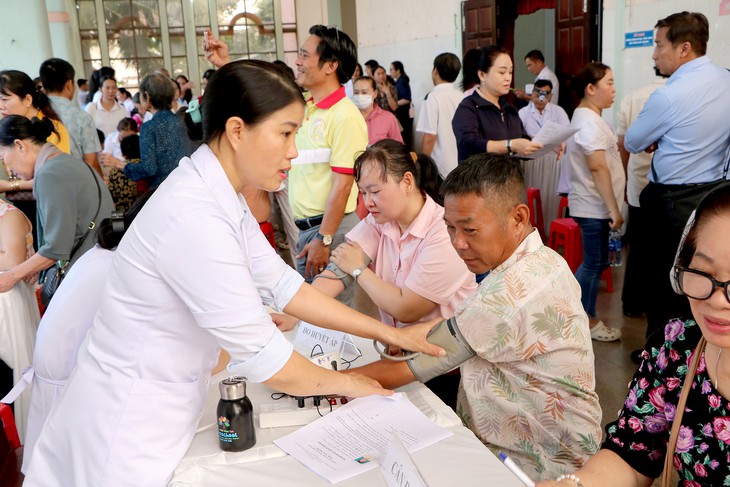
The implications of the proposed subsidy policy extend far beyond individual salary adjustments; they promise a fundamental structural shift in how healthcare is consumed and delivered across the southern metropolis.
For decades, urban residents and suburban communities alike have faced a common dilemma: minor ailments, routine check-ups, and chronic disease management frequently result in overcrowded conditions at central, upper-tier city hospitals. Patients often bypass local health stations due to perceived limitations in medical expertise, outdated diagnostic equipment, and a lack of specialized physicians.
By channeling highly qualified doctors, specialists, and clinical technicians into community health stations through the rotation framework, Ho Chi Minh City aims to reverse this trend. When residents can access specialized consultations, accurate diagnoses, and comprehensive treatment plans directly within their neighborhoods, the pressure on major institutions like Chợ Rẫy, Nhân dân Gia Định, and the University Medical Center will significantly decrease. This reduction in congestion allows central hospitals to focus on complex, high-acuity medical interventions and advanced surgical procedures.
Furthermore, the presence of experienced physicians at the grassroots level serves an invaluable educational purpose. Younger, locally based medical staff gain daily mentorship, working side-by-side with specialists holding advanced degrees. This hands-on knowledge transfer elevates the baseline competency of the entire community health station workforce, ensuring long-term institutional improvements that persist even after individual rotations conclude.
Next Steps in the Legislative Process
The draft resolution is currently undergoing rigorous review within municipal governing channels, where feedback from financial experts, public sector unions, and community representatives is being consolidated. Upon formal approval by the Ho Chi Minh City People’s Council and the People’s Committee, the policy is expected to be codified into official municipal law, unlocking the earmarked budgetary funds for immediate disbursement.
As Ho Chi Minh City continues to expand as a dynamic economic and demographic engine, ensuring equitable access to essential human services remains a top priority for local governance. Through this comprehensive financial support mechanism for rotating medical personnel, the city is signaling a proactive commitment to building a resilient, inclusive, and modern public healthcare system capable of meeting the needs of all its residents well into the future.