Financial Incentives and Sleep Hygiene: A New Study Reveals Cash Rewards Can Boost Rest and Improve Academic Performance Among University Students

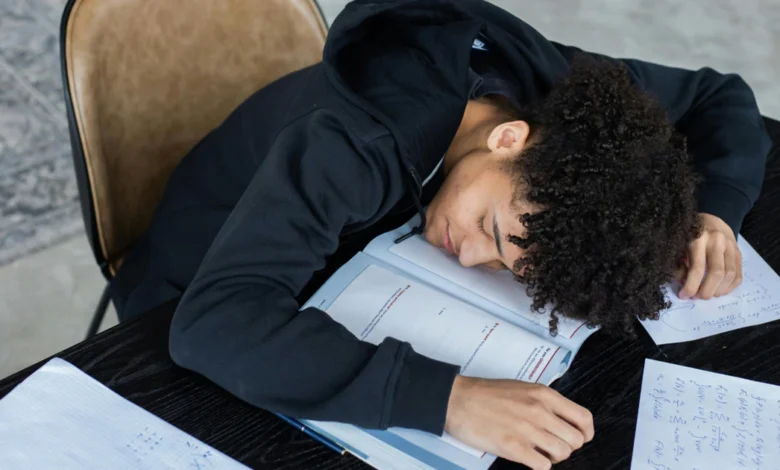
Recent scientific investigations into undergraduate health and productivity have brought to light a fascinating intersection between behavioral economics and physiological wellness. A comprehensive study tracking the daily routines of over 1,100 university students in the United States has demonstrated that offering a modest financial incentive—specifically, five dollars for each night of adequate sleep—does far more than simply encourage longer periods of rest. The findings reveal that this targeted behavioral nudge significantly increases the overall duration of nocturnal slumber and correlates with measurable gains in cumulative grade point averages at the conclusion of an academic term.
As modern society continues to grapple with widespread sleep deprivation, particularly within younger demographics, this research offers a novel perspective on how behavioral interventions, structural adjustments, and strategic positive reinforcement can mitigate a public health crisis that quietly undermines educational attainment and long-term cognitive vitality.
The Anatomy of the Study: Methodology and Participant Demographics
The research initiative, highlighted in academic and public forums, was conducted by tracking the sleeping patterns of approximately 1,100 undergraduate students at the University of Pittsburgh using advanced wearable technology. To ensure high compliance and continuous data collection, the researchers integrated the hardware with dedicated mobile applications designed to prompt participants with evening reminders, sleep hygiene tips, and daily morning feedback surveys.
From this broader cohort, a subset of 468 students with an average age of 19 was selected for a randomized controlled trial. These individuals were enrolled in a four-week program where they received roughly five dollars for each night they achieved a minimum of seven hours of continuous sleep. Objectively verified sleep duration data was gathered exclusively through the tamper-resistant metrics provided by their wearable devices, eliminating the common inaccuracies associated with self-reported sleep logs. A control group of 380 students participated in the data gathering without receiving financial rewards, allowing researchers to establish a clear comparative baseline.
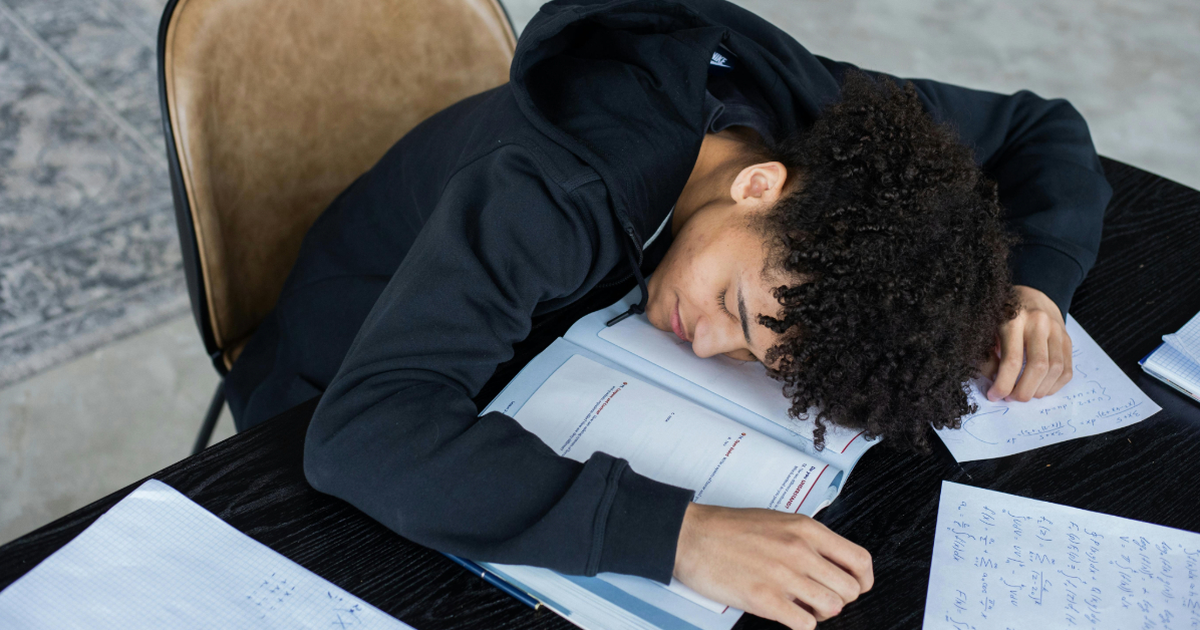
Prior to the commencement of the intervention, the baseline data revealed a troubling portrait of collegiate rest habits. Participants averaged only 6.6 hours of sleep per night. Approximately half of the cohort habitually retired to bed after 1:00 AM, with one-quarter pushing their bedtime past 2:00 AM. Furthermore, a striking disconnect existed between student perception and biological reality regarding rest: roughly two-thirds of the students believed they were consistently achieving the recommended seven hours of sleep, whereas objective wearable data proved that only about one-third actually reached this threshold on at least three out of five nights.
Behavioral Shifts and Academic Correlation
Following the introduction of the financial incentive structure, the behavioral transformation among the treatment group was immediate and measurable. The 468 students who received micro-incentives achieved a 26% higher frequency of nights meeting the seven-hour sleep threshold compared to the control group.
On average, the rewarded students slept approximately 19 minutes longer each academic night. While 19 minutes may appear modest at first glance, sleep specialists emphasize that cumulative minor adjustments in sleep architecture yield profound physiological dividends. In practical terms, this extra duration was equivalent to a student closing their laptop at 11:40 PM rather than pushing forward into the early hours of the morning.
The implications extended well beyond well-rested mornings and reduced daytime fatigue. Academic records analyzed at the conclusion of the semester revealed that the GPA of the incentivized group increased by approximately 0.08 points compared to their peers. While subtle, an increase of this magnitude within a single semester represents a meaningful shift in academic standing, underscoring the direct cognitive benefits of consistent, restorative rest on memory consolidation, complex problem-solving, and sustained focus during examinations.
Interestingly, the positive behavioral changes did not vanish instantaneously when the four-week funding program concluded. Even four weeks after the financial rewards stopped, the former treatment group continued to sleep roughly eight minutes longer per night than the control group for an additional three to four weeks. This lingering effect suggests that the short-term financial stimulus successfully catalyzed a partial, enduring habituation toward healthier bedtime routines.
The Crucial Role of Reinforcement Timing and Positive Feedback
Beyond the mere presence of financial rewards, the study uncovered vital insights regarding the delivery mechanism of such incentives. The timing and frequency of the payouts proved to be decisive factors in determining the intervention’s success.
When researchers distributed the monetary rewards incrementally on a daily basis—delivering positive reinforcement each morning following a successful night of rest—the impact on sleep duration was maximized. Conversely, when alternative testing models simulated lump-sum payments deferred to the end of the semester, the behavioral impact on daily sleep hygiene dropped by roughly one-third. Immediate gratification and consistent daily reinforcement effectively bridge the gap between abstract long-term goals (such as graduating with honors) and immediate nocturnal behaviors (such as turning off a smartphone).
Furthermore, the study evaluated the utility of non-financial reminders. Simply sending automated evening sleep prompts and morning feedback surveys without accompanying financial rewards yielded virtually no measurable change in sleep duration. While the overwhelming majority of students consciously desired to sleep more, they consistently struggled to translate that aspiration into an actionable, self-regulated daily routine without external support mechanisms.
Broader Public Health Implications and the Cost of Sleep Deprivation
The findings arrive against a backdrop of mounting concern regarding chronic sleep deprivation across modern industrialized societies. In the United States, approximately one-third of all adults routinely sleep less than seven hours per night. This deficit is even more acute among adolescents and young adults, where roughly two-thirds fail to meet minimum rest thresholds on a regular basis.
Sleep medicine professionals increasingly categorize chronic sleep deprivation as a high-risk, highly prevalent behavioral hazard. Unlike acute threats, the cumulative toll of inadequate rest operates insidiously, showing strong statistical correlations with a vast spectrum of severe physical health conditions. These include metabolic disorders such as obesity and type 2 diabetes, cardiovascular complications like hypertension and heart disease, and an elevated risk of stroke and immune system dysfunction.

Beyond physiological decline, sleep deprivation profoundly degrades cognitive architecture. Chronic deficits impair executive function, emotional regulation, risk assessment, and decision-making capabilities. In high-stakes environments such as university campuses, military installations, and corporate workplaces, tired individuals consistently demonstrate diminished reaction times and impaired creative output. The economic and societal costs associated with sleep-related errors and health complications amount to hundreds of billions of dollars annually.
Rethinking Institutional Responsibility in Higher Education
The study’s authors argue that addressing the collegiate sleep crisis requires more than individual lifestyle lecturing or short-term incentive programs. True progress necessitates a critical re-evaluation of institutional practices within higher education.
Modern universities frequently foster environments that inadvertently penalize healthy sleep habits. Late-night assignment deadlines, early morning lecture schedules, demanding extracurricular expectations, and high-pressure social cultures can combine to rob students of necessary rest. When academic institutions construct schedules that force constant exhaustion, individual attempts at sleep hygiene often prove insufficient.
Adjusting institutional factors—such as shifting earliest-morning class start times, restricting mandatory midnight submission windows, and promoting campus-wide wellness cultures—can incur far lower financial costs than remedial academic support programs. Furthermore, these systemic adjustments can be implemented harmoniously alongside targeted behavioral interventions.
The researchers advocate for a paradigm shift: academic institutions and students alike must begin to view sleep not as a dispensable luxury or a negotiable commodity traded for productivity, but as an essential capital investment in educational success and long-term health. As universities look for innovative, cost-effective ways to improve student retention, mental health, and academic performance, integrating evidence-based sleep promotion frameworks may prove to be one of the most powerful tools available to modern educators.