Casino Royale at 20: How the 2006 Masterpiece Reinvented James Bond and Redefined the Modern Action Blockbuster

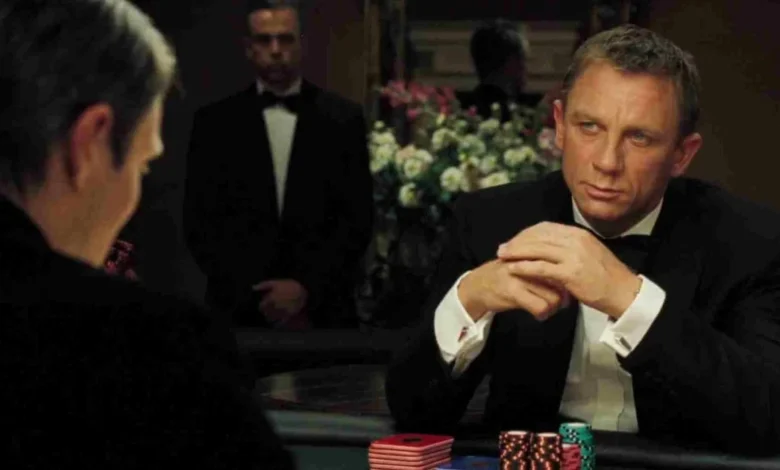
Two decades have passed since Martin Campbell’s Casino Royale hit international cinemas in November 2006, forever altering the trajectory of the world’s most famous fictional spy. Far more than a routine franchise installment, the film served as a high-stakes creative gamble that successfully transitioned the James Bond series away from the increasingly exhausted formulas of the past and into a gritty, emotionally grounded era. By introducing Daniel Craig as 007, the production team stripped away the bulletproof invincibility, gadgets, and quips that had come to define the character, returning Ian Fleming’s iconic creation to his literary roots as a flawed, brutal, and deeply human operative.
The mid-2000s marked a perilous transitional phase for the espionage genre. While Pierce Brosnan’s tenure had yielded significant box office revenue, his final outing, Die Another Day (2002), exposed the mounting creative limitations of the franchise’s traditional formula. The invisible Aston Martins and sci-fi weaponry felt increasingly antiquated when pitted against the hard-edged, grounded aesthetics of contemporary action cinema, exemplified by franchises like The Bourne Identity and the gritty realism introduced by Christopher Nolan’s Batman Begins. Audiences of the 2000s demanded characters who bled, suffered, and operated in a world constrained by real-world geopolitical consequences.
A Radical Reimagining of 007
Casino Royale signaled its departure from franchise tradition within its opening frames. The film famously opens with a brutal, black-and-white sequence depicting Bond earning his "license to kill" through a pair of ruthless, visceral executions in Prague. Gone was the glossy, triumphant fanfare traditionally associated with the character’s entrance; in its place stood a cold, kinetic atmosphere of violence and psychological strain.
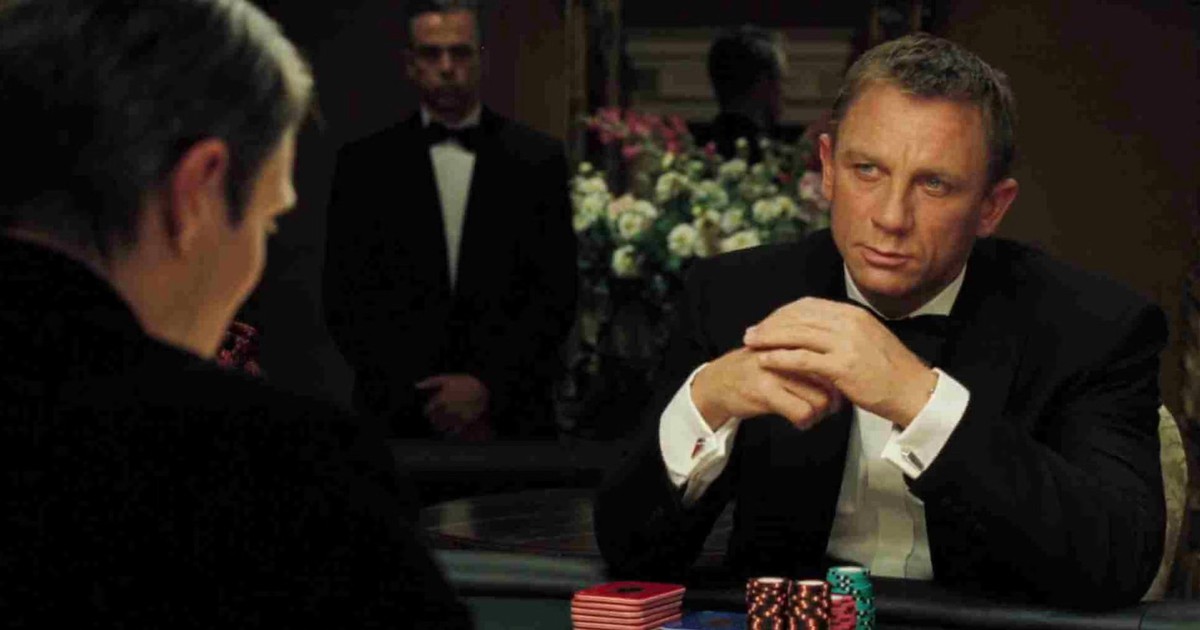
This transformation extended directly to the construction of the character itself. Craig’s portrayal maintained the sharp suits, aristocratic poise, and cutting remarks of a gentleman, but beneath the tailored exterior lay a psychologically vulnerable operative prone to tactical errors and emotional volatility. Rather than manufacturing an entirely new persona, the creative team pulled the character closer to Ian Fleming’s original 1953 literary texts—a space where audiences could genuinely empathize with a vulnerable, imperfect spy.
Yet, Casino Royale carefully preserved the essential escapist charm of the traditional espionage series. Bond still traversed an opulent international itinerary spanning the Bahamas, Montenegro, Lake Como, and Venice. The luxurious hotels, high-stakes casinos, high-performance sports cars, and impeccably tailored Tom Ford suits remained vital components of the 007 mythos. However, these elements were juxtaposed against an uncompromising sense of physical danger and raw kinetic energy.
The Evolution of Action: The Parkour Breakthrough
One of the most defining sequences of Casino Royale remains the explosive foot chase in Madagascar between Bond and bomb-maker Mollaka. Director Martin Campbell and stunt coordinator Gary Powell recruited world-renowned traceur Sébastien Foucan to portray Mollaka, introducing parkour to the mainstream global audience.
The ensuing chase sequence discarded traditional superhuman action tropes. Instead of effortlessly keeping pace, Craig’s Bond stumbles, crashes through drywall, breaks through building facades, and struggles to overcome environmental obstacles through sheer brute force and exhaustion. This stark contrast between Foucan’s fluid, gravity-defying acrobatics and Bond’s heavy, relentless determination elevated the sequence far beyond a standard cinematic pursuit. It demonstrated the franchise’s deliberate effort to reconcile its traditional grandeur with modern, visceral action choreography.
The Emotional Core: Vesper Lynd and Humanizing the Operative
If Casino Royale had merely updated its action choreography, its long-term cultural impact would likely have been limited. The true catalyst for the film’s enduring legacy lies in its emotional vulnerability, anchored by Daniel Craig’s performance and Eva Green’s portrayal of treasury liaison Vesper Lynd.
The relationship between Bond and Vesper defies the conventional, disposable romance tropes typical of earlier 007 films. Vesper challenges Bond intellectually and emotionally, compelling him to believe that he could abandon the brutal existence of a government operative and begin a civilian life. When that fragile trust shatters through betrayal, the resulting psychological collapse strips away the remaining veneer of the untouchable super-spy, leaving behind a cold, vengeful figure.
This emotional arc reaches its devastating climax in Venice, where Bond’s desperate attempt to save Vesper ends in tragedy. The final moments of the film—when Bond coldly dismisses inquiries from M with the iconic line, "The job’s done. The bitch is dead"—appear ruthless on the surface, yet they represent a profound psychological defense mechanism born out of genuine grief and absolute devastation.
Critical Reception, Box Office Impact, and Cultural Legacy

Upon its theatrical release in November 2006, Casino Royale achieved unprecedented critical and commercial success, grossing over $616 million worldwide against a production budget of $150 million. It surpassed all previous entries in the franchise to become the highest-grossing Bond film at the time, a record it held until the release of Quantum of Solace and later Skyfall.
Critics praised the film for its narrative intelligence, sharp screenplay written by Neal Purvis, Robert Wade, and Paul Haggis, and the raw intensity brought by Craig. The backlash that initially surrounded Craig’s casting—fueled by internet campaigns criticizing his blond hair and physical stature—evaporated almost immediately upon release, cementing his status among the definitive cinematic iterations of James Bond alongside Sean Connery.
Industry analysts note that Casino Royale effectively established a blueprint for the modern franchise reboot, influencing how studios approached legacy intellectual properties in the subsequent decade. By proving that a historic cinematic property could undergo a total tonal overhaul without alienating its core fanbase, the film redefined the commercial standards for action blockbusters.
Two Decades of Influence
Two decades after its premiere, Casino Royale stands as a masterclass in franchise reinvention. It proved that a legendary property does not have to choose between honoring its traditions and embracing contemporary narrative complexity; rather, enduring success depends on the delicate synthesis of both.

The film’s exploration of trauma, systemic violence, and emotional vulnerability continues to resonate with audiences, ensuring its place in cinematic history. As the James Bond franchise prepares for its next iteration, the shadow of Casino Royale remains omnipresent—a timeless benchmark for what can be achieved when a cinematic icon is willing to risk everything to rediscover its soul.
Related posts: