The Illusion of Matte Displays: Why Nano-Texture Glass Compromises Visual Fidelity Despite Its Anti-Glare Promise

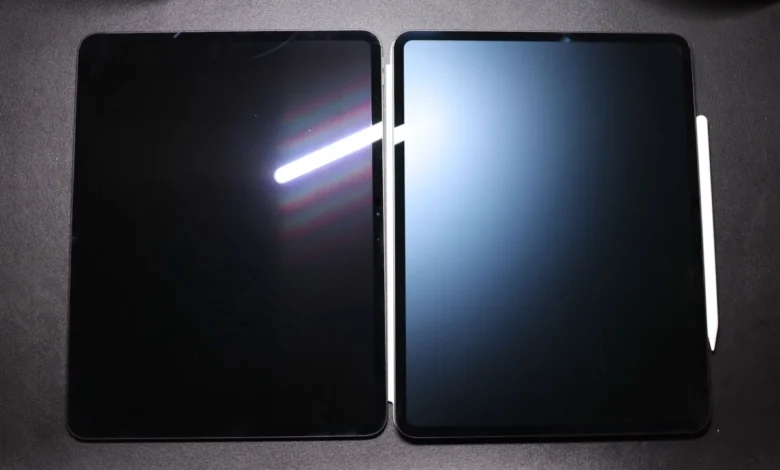
When Apple first introduced its nano-texture glass option for high-end professional displays, it was hailed as a revolutionary solution for creators battling harsh office lighting and outdoor glare. However, as adoption widens across devices like the iPad Pro and MacBook lines, a persistent debate has emerged regarding the inherent physical trade-offs of matte screen technology. While social media discussions often attribute screen haziness or light scattering to stage lighting conditions or camera angles, industry experts and display technologists emphasize that the phenomenon is a fundamental physical limitation of etched glass surfaces.
Understanding the Mechanics of Nano-Texture Glass
To comprehend why matte displays behave differently from traditional glossy glass, one must examine the microscopic structure of the screen surface. Standard high-resolution displays, such as Apple’s signature Super Retina XDR panels, feature pristine, polished glass that allows light to pass through with maximum clarity, preserving deep blacks, high native contrast ratios, and vibrant color accuracy.

In contrast, nano-texture glass is physically etched at a nanometer scale. This precise alteration diffuses incoming ambient light, scattering it in various directions to eliminate harsh mirror-like reflections. While this objective is successfully achieved, the diffusion process works both ways. When light from the display’s internal pixels travels outward through the etched surface, it is also scattered. Consequently, the display loses its characteristic deep, ink-like blacks, replacing them with a persistent, milky haze that resembles a microscopic layer of dust, particularly noticeable when the device is viewed from off-axis angles.
The Evolution of Anti-Glare Technology in Consumer Electronics
Anti-glare treatments are not entirely new to the consumer electronics market. For decades, matte screen protectors and chemically etched glass have been utilized in specialized industrial monitors, graphic tablets, and professional reference displays used in color-grading suites.
Timeline of Matte and Nano-Texture Adoption:

- Early 2000s: Matte plastic films dominate early laptop screens to combat fluorescent office lighting, sacrificing color vibrancy.
- 2011: Apple introduces an anti-glare matte display option for the high-end MacBook Pro line as a build-to-order upgrade.
- 2019: The ultra-premium Pro Display XDR launches with an optional nano-texture glass variant, targeted strictly at high-end post-production studios.
- 2024: Apple expands the nano-texture glass option to mainstream consumer-facing hardware, including the iPad Pro M4 and subsequent MacBook Pro models, bringing professional-grade anti-glare technology to portable devices.
This gradual transition from niche studio equipment to mobile consumer hardware has accelerated the debate over whether the compromise in visual fidelity is justified for the average user.
Weighing the Cost Against Real-World Visual Performance
The decision to opt for a nano-texture display involves a distinct financial and visual compromise. When configuring devices through official channels, consumers often pay a premium upgrade fee for the nano-texture glass treatment. Yet, this monetary investment yields a technical paradox: paying more to receive a display with reduced contrast and lower perceived color saturation compared to its glossy counterpart.
For professional photographers, field journalists, and digital nomads who frequently work under direct sunlight or beneath powerful studio spotlights, the reduction of blinding reflections is an essential ergonomic benefit that outweighs the loss of contrast. Without anti-glare measures, working outdoors can render standard glass panels entirely unusable due to mirrored reflections of the user’s face and environment.

Conversely, for the vast majority of mainstream consumers who utilize their devices in controlled indoor environments—such as homes, dimly lit offices, or cafes—the matte surface introduces unnecessary optical degradation. In these settings, where harsh glare is easily avoidable, the nano-texture glass continuously diffuses internal light, leading to washed-out blacks and a subtle graininess that diminishes the immersive quality of high-resolution media consumption.
Industry Implications and Future Consumer Choices
The ongoing debate surrounding nano-texture displays highlights a broader challenge in display engineering: the persistent tug-of-war between ergonomic comfort and optical purity. As display manufacturers continue to push the boundaries of peak brightness, OLED efficiency, and pixel density, managing ambient light interference remains a top priority.
Future iterations of anti-reflective technology may leverage multi-layer optical coatings rather than physical surface etching to reduce glare without compromising internal light transmission. Until such advancements become mainstream, consumers are advised to carefully evaluate their primary working environments before selecting build-to-order matte options. Ultimately, understanding that physics leaves no room for a free lunch ensures that buyers can align their hardware choices with their actual workflow requirements rather than marketing expectations.