Severe Landslides Threaten Dak Nong Communities in Lam Dong Province Amid Persistent Heavy Rains

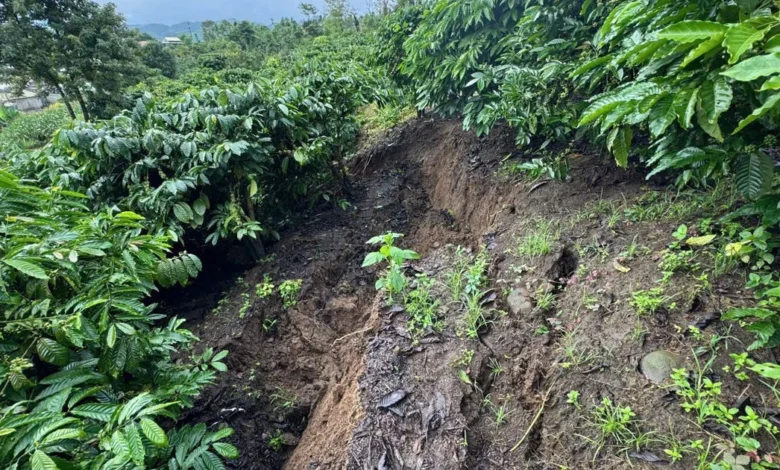
Prolonged and relentless rainfall has severely compromised geological structures and triggered alarming landslides across Dak Snao village, located within Quang Son commune in Lam Dong province, near the Dak Nong region. The ongoing weather catastrophe has created significant displacement risks, forcing local authorities to contemplate urgent evacuations for hundreds of residents whose homes sit precariously on shifting ground. The crisis highlights the growing vulnerability of highland communities to extreme weather events, driven by saturated soil conditions and altered hydrological dynamics.
Escalating Geological Instability in Dak Snao Village
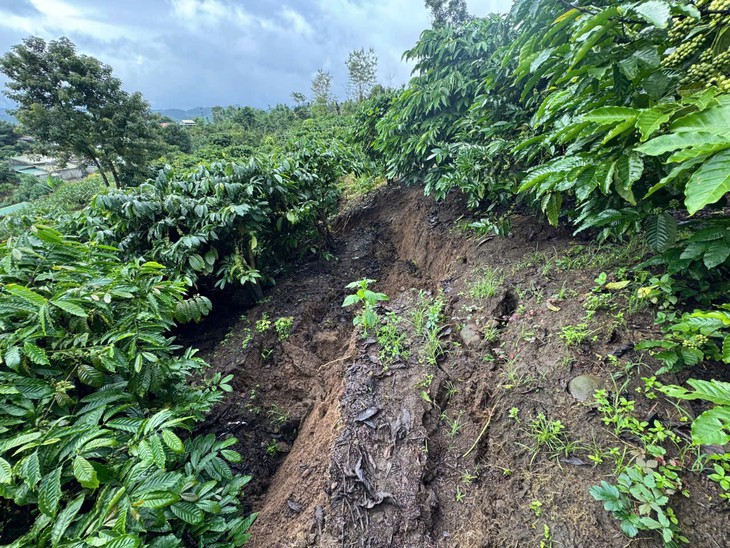
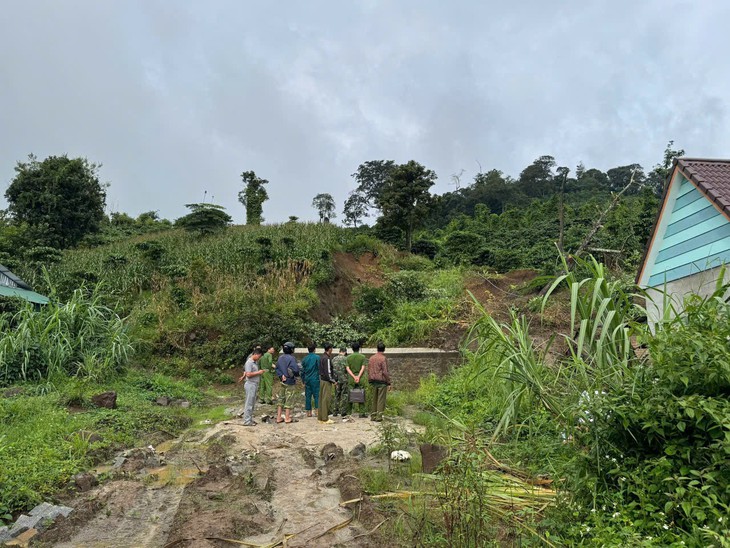
The crisis became acutely visible as continuous downpours inundated the Central Highlands, causing massive water accumulation in regional aquifers and subterranean strata. By mid-September, monitoring teams from the Quang Son commune civil defense command confirmed that expansive ground fissures and vertical displacements were ripping through hillsides and residential sectors in Dak Snao village.
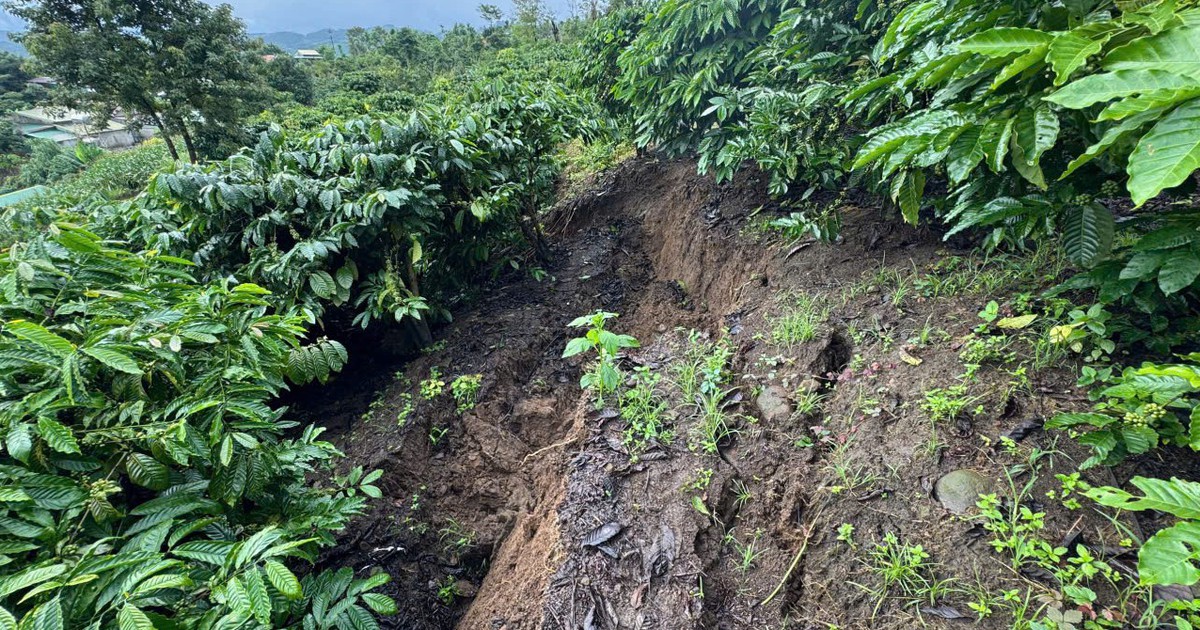
Current geological surveys indicate that land subsidence has created an average vertical drop of approximately 20 centimeters. Simultaneously, linear ground fractures stretching nearly 300 meters have torn across both agricultural slopes and residential land parcels. The dynamic nature of the event is particularly concerning; the width of these gaping earth cracks is rapidly expanding by 6 to 17 centimeters per day, with clear indications that the fissure network continues to widen. Authorities have mapped an active landslide zone spanning approximately 4 hectares, noting a severe and immediate threat of catastrophic slope failure if weather patterns do not improve.
Immediate Impact on Local Households and Infrastructure
The unfolding geological emergency directly threatens the lives, safety, and livelihoods of vulnerable residents in the area. According to administrative records from Quang Son commune, the active subsidence zone directly impacts 78 households, comprising roughly 450 inhabitants residing in Dak Snao village.
Local civil defense reports describe a harrowing reality for families living within the danger perimeter. Several houses have already sustained severe structural damage, marked by fractured foundations, tilted walls, and compromised utility connections. Many structures have been rendered structurally uninhabitable, with local engineers warning that continuous rainfall over the coming days could trigger the complete collapse of dozens of homes. Farmland, perennial crops, and rural access roads within the 4-hectare affected zone have also suffered extensive damage, disrupting local agricultural activities and daily commerce.
Emergency Response and Evacuation Efforts
Faced with an escalating crisis that exceeds routine municipal capabilities, the People’s Committee of Quang Son commune and the local civil defense command have mobilized an emergency response. Operating on a 24-hour basis, response teams have maintained a continuous presence at the disaster site, cordoning off dangerous zones, monitoring ground movement, and assisting residents in salvaging essential belongings.
Prioritizing human life above all else, local authorities initiated emergency evacuation protocols to relocate vulnerable populations out of harm’s way. Demonstrating remarkable community resilience, residents and local volunteers mobilized approximately 500 labor days to construct temporary emergency shelters. Utilizing bamboo poles and durable canvas sheeting, the community successfully erected temporary housing structures covering a total area of 3,000 square meters. These makeshift facilities have been designated to host elderly residents, women, and young children during the night, providing a safe refuge while permanent evacuation solutions are organized.
Regional Context and Historical Vulnerability in the Central Highlands
The disaster in Dak Snao village is not an isolated incident but rather part of a troubling pattern of climate-induced geological hazards affecting the Central Highlands of Vietnam. In recent years, regions spanning Lam Dong, Dak Nong, and surrounding provinces have experienced increasingly erratic weather patterns, characterized by shorter, more intense rainy seasons and heavier cumulative precipitation.
Deforestation, agricultural terracing, and rapid infrastructure development have altered natural drainage pathways, exacerbating soil saturation during prolonged storms. When heavy rains persist for days or weeks, water infiltrates weathered basaltic soils typical of the region, significantly reducing shear strength and increasing pore water pressure. This scientific mechanism transforms seemingly stable hillsides into fluid, unstable masses prone to sudden rotational slides and translational creep. Local meteorological agencies emphasize that climate change continues to amplify the frequency and severity of such hydro-meteorological extremes, demanding a paradigm shift in rural disaster preparedness and land-use planning.
Administrative Challenges and Calls for Higher-Level Intervention
The scale and complexity of the Dak Snao landslide have severely strained the financial and technical resources of the local administration. Commune-level authorities lack the heavy engineering equipment, geotechnical diagnostic tools, and substantial funding required to stabilize a 4-hectare moving slope or permanently relocate nearly 80 households.
Recognizing the limitations of local resources, the Quang Son commune leadership has formally submitted an urgent appeal to higher-level authorities in Lam Dong province and relevant national ministries. The petition requests immediate financial allocations for emergency disaster relief, deployment of specialized geotechnical survey teams to map subsurface hydrology, and the rapid establishment of a permanent resettlement zone equipped with essential infrastructure, including clean water, electricity, and sanitary facilities.
Socio-Economic Implications and Long-Term Mitigation Strategies
The displacement of farming families in Quang Son commune underscores broader socio-economic vulnerabilities tied to environmental degradation in Vietnam’s highland regions. Beyond the immediate humanitarian concern of shelter and food security, prolonged displacement threatens the economic stability of households whose primary source of income—coffee, pepper, and seasonal crop cultivation—has been disrupted or destroyed by land subsidence.
Experts stress that mitigating future disasters in Dak Nong and Lam Dong requires comprehensive, long-term strategies. Key recommendations include implementing rigorous geological zoning laws to restrict residential construction on steep slopes and ancient landslide scars, establishing automated early-warning systems for ground movement, and launching large-scale reforestation and watershed management programs to enhance soil retention. As climate change continues to test the resilience of local communities, the proactive management of geologic risks will remain paramount to safeguarding human lives and securing sustainable regional development.