Ministry of Industry and Trade Launches Specialized Anti-Money Laundering Inspections on Five Gold, Silver, Diamond, and Gemstone Businesses

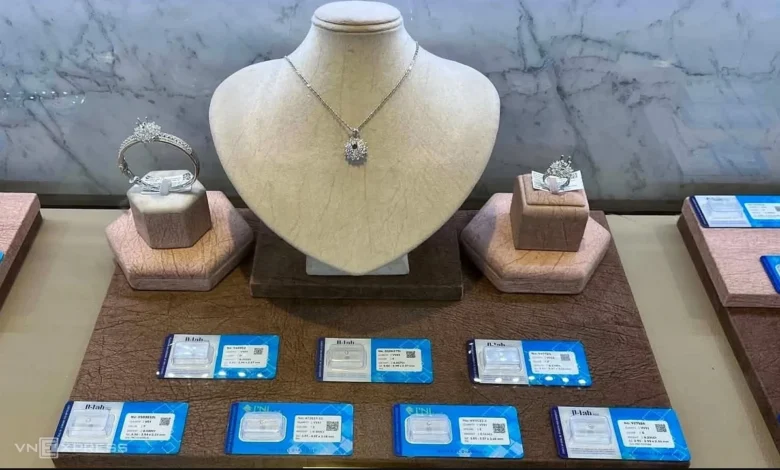
The Ministry of Industry and Trade (MoIT) has announced a significant initiative to combat financial crime, confirming that specialized inspections will be conducted on five businesses operating in the gold, silver, diamond, and gemstone sector in August. This move is a direct response to growing concerns over potential money laundering activities within the high-value goods market and underscores Vietnam’s commitment to strengthening its anti-money laundering (AML) framework.
The Regulatory Imperative: Combating Financial Crime
The decision to launch these targeted inspections stems from a formal request by the Anti-Money Laundering Department of the State Bank of Vietnam (SBV). As a sector dealing with easily convertible, high-value assets, the precious metals and gemstones market is inherently vulnerable to illicit financial flows, making it a critical area for regulatory oversight. Global bodies like the Financial Action Task Force (FATF) consistently highlight the risks associated with such industries, urging member countries to implement robust controls to prevent their misuse for money laundering and terrorist financing. Vietnam, as a FATF member, is committed to upholding these international standards, and these inspections represent a proactive step in fulfilling that obligation. The ultimate goal is to enhance transparency, deter illegal activities, and ensure the integrity of the nation’s financial system.
Mr. Tran Viet Hung, Head of the Market Management Research Department under the Department of Domestic Market Management and Development, a division within the Ministry of Industry and Trade, informed VnExpress that the specialized inspection plan for businesses trading in precious metals and gemstones was formally issued on July 15. This directive specifically targets entities involved in the acquisition, sale, crafting, processing, and distribution of gold jewelry, diamonds, and various other precious stones. The initial request from the Anti-Money Laundering Department mandated inspections of at least three such businesses. However, the Department of Domestic Market Management and Development subsequently expanded this scope, planning to inspect five businesses located in Hanoi during August, indicating a heightened focus on the capital’s market.
Scope and Methodology of the Inspections
Crucially, Mr. Hung clarified that these are "specialized inspections," distinct from sudden, unscheduled raids typically associated with suspected violations. This distinction implies a more systematic and preventative approach, designed to assess general compliance rather than respond to specific allegations against the selected businesses. To facilitate this process, all targeted enterprises will receive advance notice of the upcoming inspections. This allows them adequate time to prepare and organize the necessary documentation and materials for review by the inspection team. This pre-notification strategy aims to foster cooperation and ensure a thorough examination of operational practices, rather than catching businesses off-guard.
The inspection teams will meticulously focus on several key areas to ascertain regulatory compliance. Primary among these are adherence to regulations concerning invoices and receipts, which are vital for establishing legitimate transactions and combating illicit trade. The origin of goods will also be thoroughly scrutinized to prevent the sale of smuggled or illegally sourced items. Furthermore, product branding and labeling will be examined to ensure accuracy and prevent consumer deception. For intricate items such as jewelry embedded with precious stones, each product will undergo individual assessment to verify its stated characteristics and value, with any discrepancies handled according to established regulations. This comprehensive approach aims to ensure that businesses operate within the legal framework, maintaining fair trade practices and consumer trust.
Broader Context: Recent Crackdowns and Market Scrutiny
The intensified scrutiny of the precious metals and gemstones market comes amidst a backdrop of increasing public attention and a series of high-profile police investigations into diamond smuggling and related illicit activities. This sector has recently become a focal point for law enforcement, leading to significant disruptions and a cautious atmosphere among market participants. Following revelations of large-scale smuggling operations, many jewelry shops across Vietnam have either temporarily ceased operations or imposed severe restrictions on the repurchase of diamonds, reflecting a heightened awareness of legal risks and a desire to avoid entanglement in ongoing investigations.
One prominent case that has underscored the urgency of these inspections involves a transnational diamond smuggling ring. Recently, police in Thanh Hoa province announced the prosecution of four additional suspects in connection with a case linked to Saigon Gold, Silver, and Gemstone (SJC), a major player in the Vietnamese market. This development brought the total number of suspects in the ongoing investigation to a substantial figure, indicating the wide reach of the alleged illicit network. During these recent operations, investigative agencies seized an additional 354 diamonds of various types, estimated to be worth nearly 69 billion VND (approximately $2.7 million USD). This seizure adds to a growing tally of confiscated assets, highlighting the scale of the illegal trade.
According to the preliminary findings of the investigation, between 2022 and 2024, the implicated individuals allegedly smuggled approximately 3,400 diamonds from Hong Kong into Vietnam. The cumulative value of these illegally imported diamonds is estimated to exceed 500 billion VND (over $20 million USD). Investigators assert that these smuggled diamonds were subsequently "legitimized" through a sophisticated scheme. This involved creating fabricated purchase records from customers, effectively disguising the illicit origin of the stones. Following this, the diamonds were reportedly submitted to SJC’s appraisal unit for verification, a step that would grant them an appearance of legitimacy. Once appraised, they were then integrated into the company’s inventory before being distributed and sold through its extensive retail network. This complex laundering process demonstrates the intricate methods employed by criminal elements to exploit the precious metals market. The investigation remains active and is continually being expanded as authorities work to uncover the full extent of the network and prosecute all involved parties.
The Role of Key Institutions
The current wave of inspections and investigations reflects a multi-pronged effort by several key government institutions, each playing a crucial role in safeguarding market integrity and combating financial crime.
- Ministry of Industry and Trade (MoIT): As the primary regulator of domestic trade, MoIT is responsible for market management, consumer protection, and ensuring fair competition. Its involvement in these inspections is critical for upholding trade laws, verifying product authenticity, and ensuring businesses comply with operational standards.
- State Bank of Vietnam (SBV) Anti-Money Laundering Department: This department serves as Vietnam’s financial intelligence unit, tasked with monitoring suspicious financial transactions and developing policies to prevent money laundering and terrorist financing. Its request for these inspections highlights the high-risk nature of the precious metals and gemstone sector in the context of illicit financial flows.
- Police and Investigation Agencies: These bodies are at the forefront of law enforcement, responsible for investigating criminal activities, gathering evidence, and prosecuting offenders. Their continuous operations against smuggling rings underscore the punitive aspect of the state’s efforts to clean up the market.
Implications for the Precious Metals and Gemstone Sector
These specialized inspections carry significant implications for the entire precious metals and gemstone sector in Vietnam, estimated to be a multi-billion dollar market annually.
Firstly, they signal an era of increased transparency and accountability. Businesses can no longer operate with lax internal controls or ambiguous sourcing practices. The detailed scrutiny of invoices, origins, and product specifications will compel operators to maintain meticulous records and ensure verifiable supply chains.
Secondly, there is a strong likelihood of stricter compliance requirements. As authorities uncover vulnerabilities and illicit practices, new regulations or more rigorous enforcement of existing ones may follow. This could involve enhanced due diligence protocols for customer transactions, mandatory reporting thresholds, and more stringent requirements for gemstone certification.
Thirdly, the inspections will inevitably impact business operations and consumer confidence. While legitimate businesses may initially face increased administrative burdens, the long-term effect should be positive. A cleaner, more transparent market will foster greater trust among consumers, potentially leading to a healthier and more sustainable growth trajectory for the sector. Conversely, businesses found non-compliant could face severe penalties, including fines, operational suspensions, or even criminal charges, depending on the nature and severity of the violations.
Ultimately, these measures underscore the imperative for businesses to strengthen internal controls and due diligence. This includes implementing robust Know Your Customer (KYC) procedures, training staff on AML risks, and investing in systems that ensure the traceability and legality of all products. Industry associations are also expected to play a crucial role in disseminating best practices and helping members navigate the evolving regulatory landscape.
Vietnam’s Anti-Money Laundering Framework
Vietnam has made considerable strides in recent years to bolster its anti-money laundering and counter-terrorist financing (AML/CFT) framework. The enactment of the Law on Anti-Money Laundering in 2022, along with subsequent guiding decrees, established a comprehensive legal basis for identifying, preventing, and combating illicit financial activities. This framework places obligations not only on financial institutions but also on designated non-financial businesses and professions (DNFBPs), which explicitly include dealers in precious metals and precious stones.
Under this law, such businesses are considered "reporting entities" and are mandated to conduct customer due diligence, report suspicious transactions to the SBV’s Anti-Money Laundering Department, and maintain records for a specified period. The current specialized inspections by MoIT, initiated at the request of the SBV, demonstrate the coordinated effort across government agencies to operationalize this legal framework. By focusing on the compliance aspects related to transaction documentation and product origin, these inspections directly assess whether the reporting entities in this high-risk sector are fulfilling their statutory obligations to prevent their businesses from being exploited for money laundering purposes. This integrated approach is essential for Vietnam to demonstrate effectiveness in its fight against financial crime on both domestic and international fronts.
Looking Ahead: Enhancing Market Integrity
These inspections are not isolated events but rather part of a broader, sustained effort by Vietnamese authorities to enhance market integrity across various sectors susceptible to financial crime. The proactive stance of the Ministry of Industry and Trade, in collaboration with the State Bank of Vietnam, suggests that similar specialized reviews may become a regular feature of the regulatory landscape.
The long-term goal extends beyond merely penalizing wrongdoers; it aims to cultivate a business environment characterized by transparency, ethical practices, and strict adherence to national and international standards. This will involve continuous dialogue between regulators and industry stakeholders, potentially leading to clearer guidelines, capacity-building initiatives for businesses, and improved technological solutions for tracking and verifying transactions. A more robust and transparent market for precious metals and gemstones will not only protect consumers and legitimate businesses but also bolster Vietnam’s reputation as a responsible player in the global economy, committed to combating illicit financial flows. The ongoing nature of the fight against financial crime necessitates vigilance, adaptation, and a collective commitment from all parties involved.
In conclusion, the upcoming specialized inspections by the Ministry of Industry and Trade represent a crucial step in Vietnam’s intensified campaign against money laundering, particularly within the vulnerable precious metals and gemstone sector. Driven by a request from the State Bank’s Anti-Money Laundering Department and set against a backdrop of recent high-profile smuggling investigations, these inspections aim to enforce compliance with fundamental regulations regarding invoices, product origin, and branding. This proactive regulatory oversight is designed to foster greater transparency, strengthen consumer trust, and reinforce Vietnam’s commitment to building a robust framework against financial crime, ultimately contributing to a more legitimate and secure market environment.
Related posts: