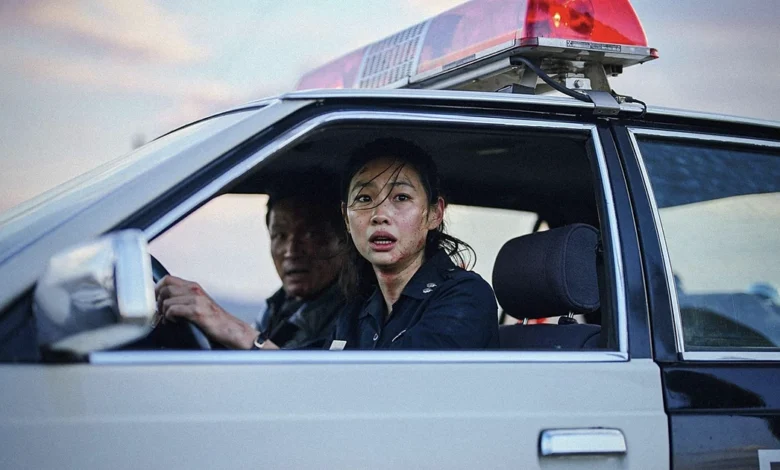
Before its theatrical release, the project was highly anticipated as the latest work from Na Hong Jin, a visionary filmmaker known for his meticulous approach to tension and genre-bending cinema. With a production budget estimated at 70 billion won (approximately $52 million USD), the film features an ensemble of top-tier talent from both South Korea and Hollywood. Set in the isolated, mist-shrouded town of Hope Harbor, located near the Demilitarized Zone (DMZ) between South and North Korea, the story follows a local police chief named Bum Seok, played by Hwang Jung Min, and a local hunter named Sung Ki, portrayed by Jo In Sung, as they investigate a series of gruesome, unexplained killings.
The Genesis of a High-Stakes Production
The production of Hope began with a clear intent to redefine the creature-feature genre within the context of the complex geopolitical landscape of the Korean Peninsula. Director Na Hong Jin, famous for his works like The Chaser and The Wailing, spent years developing the script, aiming to ground supernatural horror in the tangible, often claustrophobic reality of a border town.
The film’s development phase was marked by an extensive search for locations that could convey the necessary sense of dread. Production designers opted for remote coastal areas to mimic the atmosphere of Hope Harbor, using the natural fog and rugged topography to enhance the sense of entrapment. The investment of 70 billion won reflects the high production values, including cutting-edge practical effects and a score designed to be as disorienting as the plot itself.

Chronology of the Narrative
The film is structured into distinct phases, beginning with a 45-minute masterclass in suspense. The creature is not immediately revealed; instead, Na utilizes sound design, environmental indicators, and the psychological reactions of the townspeople to build an overwhelming sense of dread.
- The Discovery: Initial reports of violent deaths lead the authorities to suspect a wild animal roaming the outskirts of the DMZ.
- The Escalation: As the body count rises, the investigation shifts from a simple animal control mission to a high-stakes search for a highly intelligent, extraterrestrial entity.
- The Confrontation: The second act transitions into a series of high-octane sequences, including vehicular pursuits and tactical combat, as the protagonists attempt to neutralize the threat.
- The Climax: The narrative reaches its final act, where the film attempts to weave together themes of family trauma, political tension at the border, and environmental warnings, leading to a fragmented conclusion.
Technical Craftsmanship and Cinematography
One of the most notable aspects of the film is the cinematography led by Hong Kyung Pyo, whose previous work includes international hits such as Parasite and Snowpiercer. Hong’s approach to Hope relies heavily on close-ups, handheld camera work, and natural lighting. By intentionally restricting the audience’s field of vision, the film creates a sense of profound isolation.
Instead of relying on conventional jump scares, the film stretches the state of anticipation. The audience is forced to imagine the threat lingering just outside the frame, a technique that effectively places the viewer in the same state of uncertainty as the characters. The sound design complements this, with the sharp, jarring noises of the creature contrasted against the oppressive silence of the rural setting.
Performance Analysis
The cast brings depth to characters that might otherwise feel like tropes. Hwang Jung Min’s portrayal of Bum Seok captures the weariness of a man who has spent his career in a forgotten corner of the country, only to be faced with a threat that defies his experience. Jo In Sung’s transition into the role of the gritty hunter Sung Ki represents a departure from his usual romantic leads, and he effectively conveys a sense of tactical, albeit desperate, determination.
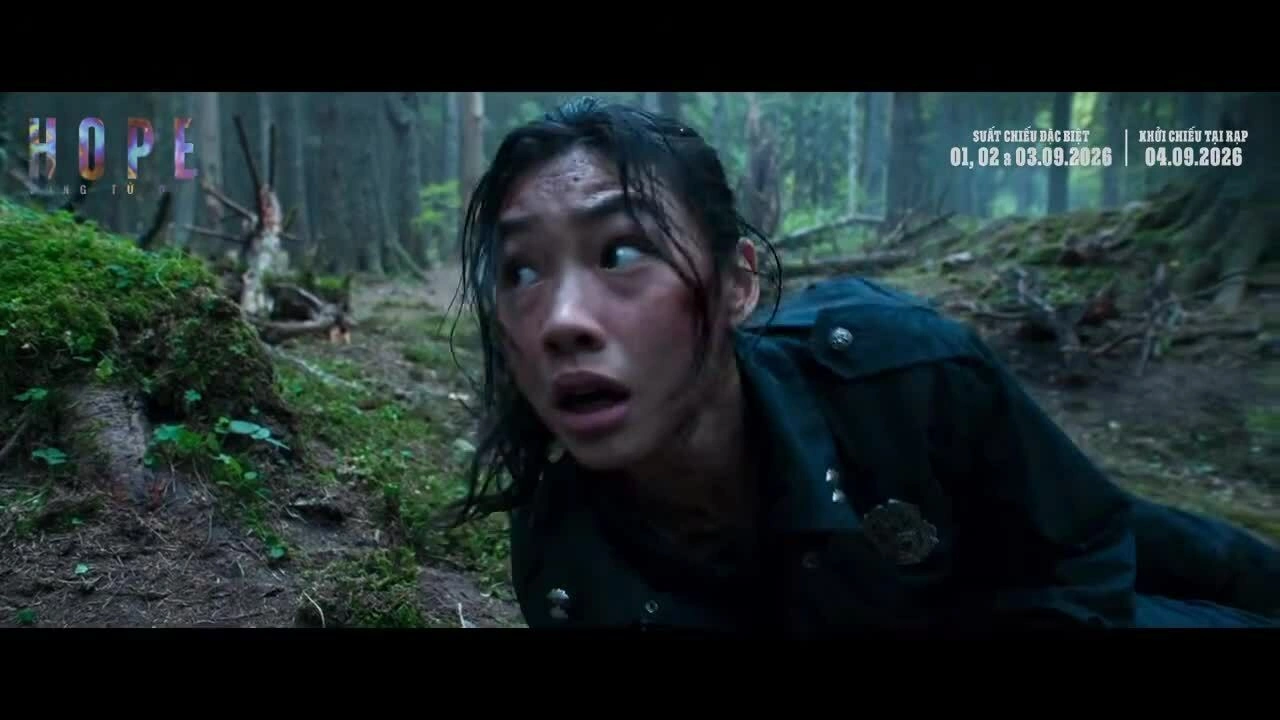
Jung Ho Yeon, playing police officer Sung Ae, provides a necessary grounding element. Her performance has been highlighted by critics for its balance of professional stoicism and emotional resolve, particularly in the later action sequences where her character must take a more active role in the confrontation.
Critical Reception and Box Office Performance
According to Box Office Vietnam, Hope grossed approximately 19 billion won within its first week of release. The film has been classified as 16+ due to its graphic depictions of violence and intense thematic elements. While the box office numbers suggest a strong commercial interest, the critical consensus has been more divided.
Major publications like TheWrap have praised the performances and the technical prowess of the production, but many have pointed to the film’s uneven pacing. The ambitious decision to merge sci-fi, horror, black comedy, and political drama creates a unique visual experience but leaves the narrative feeling scattered.
Broader Implications and Genre Fusion
The primary critique directed at the film is its lack of focus in the latter half. The introduction of too many plot lines—ranging from military intervention to environmental subtext—detracts from the central mystery. By the time the film reaches its 157-minute mark, many of the emotional threads and the specific motivations of the extraterrestrial entity remain underdeveloped.
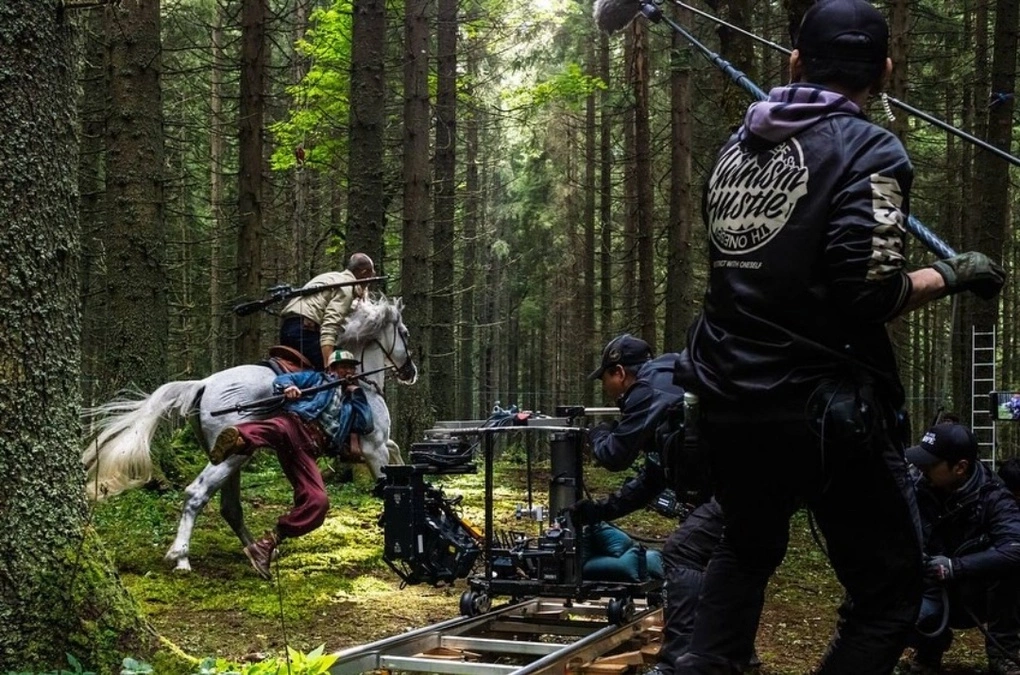
However, the film’s attempt to challenge the traditional "hero" archetype in creature features is noteworthy. Bum Seok and Sung Ki are not invincible; they are flawed, frightened individuals who often make mistakes under pressure. This humanization of the protagonists, combined with the film’s biting commentary on the bureaucratic failures inherent in small-town governance, offers a layer of intellectual engagement that transcends the typical popcorn thriller.
Conclusion: A Bold but Flawed Experiment
Hope stands as a testament to Na Hong Jin’s willingness to experiment with the boundaries of genre. While the film achieves moments of profound cinematic excellence—particularly in its sound and camera work—it ultimately struggles under the weight of its own narrative ambition. By attempting to cover so much thematic ground, the script misses the opportunity to provide a cohesive resolution, leaving the audience with an experience that is as visually stunning as it is narratively disjointed.
As the industry continues to look toward South Korean cinema for innovation, Hope serves as a case study in the risks of over-complication. Nevertheless, for fans of atmospheric horror and those interested in the evolution of modern genre filmmaking, the work remains a significant, if flawed, contribution to the canon of 2026.