China Considers Strict Regulations on Giant Touchscreens, Zero-Gravity Seats, and Voice Controls Amid Growing Safety Concerns

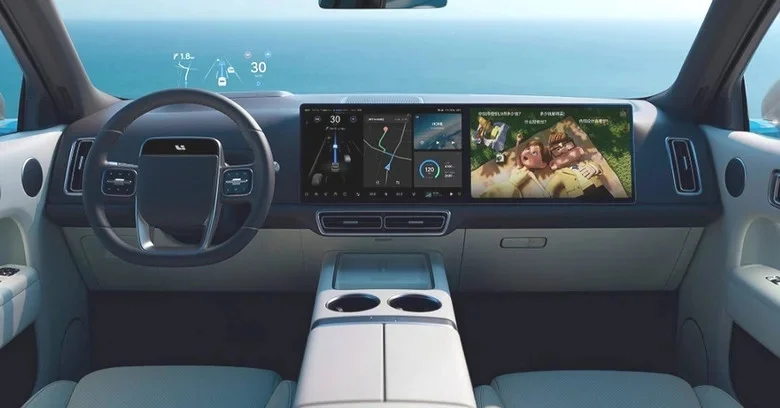
The landscape of modern automotive interior design is undergoing a profound philosophical shift, led primarily by regulatory scrutiny in the world’s largest car market. Following earlier regulatory measures targeting electronic door handles, Chinese authorities are now setting their sights on an even more ubiquitous feature of contemporary vehicle cabins: massive touchscreens, ultra-reconfigured seating layouts, and voice-command-only operational systems. According to reports from automotive publications such as Carscoops, China’s Ministry of Industry and Information Technology (MIIT) is actively reviewing comprehensive new regulations governing interior automotive technology and equipment. This regulatory push comes in direct response to an escalating industry-wide race among automakers to digitize every aspect of the driving experience, often at the expense of ergonomic safety and driver concentration.
The proposed guidelines, which are currently circulating for industry feedback, would subject infotainment screens, head-up displays (HUDs), and various auxiliary digital panels to rigorous safety assessments. Before these technologies can be approved for commercial production and integration into consumer vehicles, manufacturers would need to prove that their display designs do not induce excessive driver distraction, that they can withstand severe physical impacts, and that they maintain high reliability under harsh operational conditions.
A Crackdown on Digital Overload and Interior Distractions
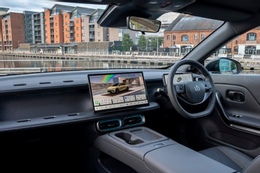
For years, the global automotive industry has trended toward minimalist dashboards dominated by sprawling, centralized touchscreens that house climate controls, entertainment systems, navigation, and even vehicle settings. While this design philosophy reduces manufacturing costs and offers a sleek, futuristic aesthetic, it has increasingly drawn the ire of safety advocates, regulatory bodies, and consumers alike.
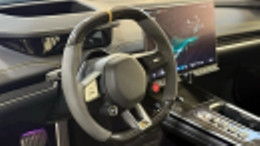
Under the MIIT’s proposed evaluation framework, screen designs that are found to cause excessive visual distraction or cognitive overload risk being completely barred from production. Regulators are even exploring the feasibility of prohibiting touchscreen-only control interfaces entirely, ensuring that drivers retain tactile, physical feedback mechanisms for essential vehicle functions. Although no currently available mass-market vehicle features touchscreens on the steering wheel itself, the inclusion of such concepts in recent design studies has triggered preemptive concern from safety officials.
In addition to digital displays, the regulatory microscope is expanding to encompass advanced interior comfort features, most notably "zero-gravity" seats. These highly articulated seats, which allow occupants to recline into a near-horizontal position and often integrate leg rests, have become a staple of luxury electric vehicles (EVs) designed to offer relaxation during charging stops or autonomous driving phases. However, the MIIT is seriously considering restricting the use of these deep-recline configurations while the vehicle is actively in motion due to fundamental safety concerns regarding occupant positioning during a collision. Traditional seatbelt and airbag geometry are heavily optimized for an upright or slightly angled seating posture; a fully reclined occupant faces significantly higher risks of submarining or severe spinal injury in the event of a frontal crash.
Reining in Voice Commands and Exterior Lighting Trends
The crackdown does not stop at interior touchscreens and seating arrangements. Other high-profile proposals under review include tightening regulations on daytime running lights (DRLs) that feature potentially hazardous or blinding illumination designs. Furthermore, regulators are looking to curb the industry’s heavy reliance on voice-recognition systems for critical vehicle operations.
Under the proposed rules, automakers may soon be barred from forcing drivers to rely exclusively on voice commands for vital driving functions such as activating high-beam headlights, opening doors, or popping the front hood (frunk). Safety experts and regulators argue that voice-recognition software, while advanced, remains susceptible to misinterpretation, environmental noise interference, and lag—factors that could prove catastrophic if a driver needs to quickly adjust exterior lighting or ventilation during an emergency.
This sweeping regulatory shift underscores a growing consensus that the digitalization of automobiles has, in some instances, crossed the line from innovation to hazard. Prior to this current review of touchscreens and seats, China had already moved to regulate flush-mounted electronic door handles, which have become standard on many modern EVs but have repeatedly raised safety concerns regarding rescue operations during power failures following accidents.
Implementation Timeline and Market Implications
Should the proposed regulations be formally adopted, they will carry significant compliance deadlines for the automotive industry. Draft guidelines indicate that the new standards would be slated to apply to all newly manufactured vehicles starting January 1, 2027. For automotive models already in production and currently present on the retail market, manufacturers would be given a strict transition window to complete necessary software updates, hardware retrofits, or interior redesigns by July 1, 2027.
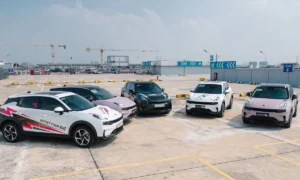
According to regional reports from outlets like CNEVPost, vehicles that fail to meet these statutory requirements could face severe administrative penalties, including mandatory safety recalls or immediate cessation of production and sales. Given the sheer size and strategic importance of the Chinese automotive market—where domestic giants like BYD, Geely, Chery, and Changan command over half of total sales alongside dozens of competing independent and joint-venture brands—these potential rules will force both domestic and international automakers to rapidly recalibrate their interior design strategies.
The implications of China’s regulatory review extend far beyond its domestic borders. As Chinese automakers aggressively expand their footprint into international markets, particularly Europe, Southeast Asia, and Latin America, vehicles engineered to comply with stricter Chinese interior safety standards are likely to influence global manufacturing platforms.
The Broader Global Context of Screen Fatigue and Distraction
China’s regulatory actions align with an escalating global pushback against digital clutter in modern vehicle cabins. In recent years, independent safety organizations, most notably the European New Car Assessment Programme (Euro NCAP), have stepped up their warnings regarding the overuse of touchscreens. Euro NCAP announced that starting in 2026, vehicles seeking its highest safety ratings will be penalized if they require drivers to use touchscreens for basic, fundamental controls such as indicators, hazard lights, windshield wipers, horn, and primary driver-assistance settings.
The rationale behind these global warnings is rooted in extensive human-factors research. While physical buttons provide tactile feedback—allowing a driver to operate a control via muscle memory while keeping their eyes fixed on the road—touchscreens demand visual attention. Glancing away from the road for even two seconds at highway speeds translates to hundreds of feet of unguided travel, vastly multiplying collision risks.
Furthermore, the concentration of the Chinese automotive market among a handful of major conglomerates means that regulatory compliance will shape vehicle design trends industry-wide. With fierce competition driving brands to constantly out-innovate one another, the temptation to introduce flashy, screen-heavy interfaces has historically been high. However, the prospect of facing vehicle recalls, production halts, or marketing bans for non-compliance will undoubtedly force designers to pivot back toward ergonomic sensibility, physical switches, and driver-centric safety architectures.

As the deadline for the potential 2027 mandates approaches, the global automotive supply chain is bracing for a wave of redesigns. The era of the all-digital, screen-dominated, voice-controlled interior may be reaching its regulatory peak, paving the way for a more balanced approach to human-machine interaction in the vehicles of tomorrow.