Vung Tau authorities set October deadline to resolve decade-long property handover dispute involving house at 6 Tran Hung Dao

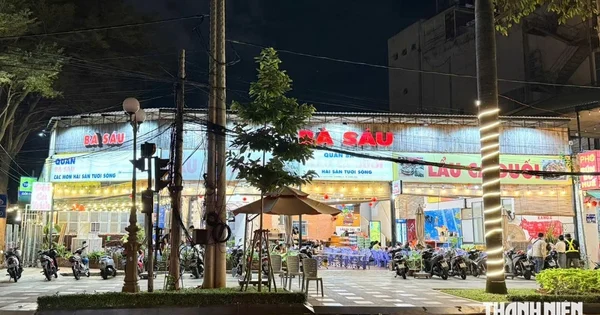
The People’s Committee of Vung Tau Ward, Ho Chi Minh City, has officially convened a multi-departmental meeting to finalize the administrative procedures required for the handover of the property located at 6 Tran Hung Dao Street to Mr. Pham Ngoc Hien. This long-standing legal battle, which has persisted for over a decade, reached a critical turning point on September 18, when local officials established a firm deadline of October 2026 to resolve the impasse and return the asset to its rightful owner.
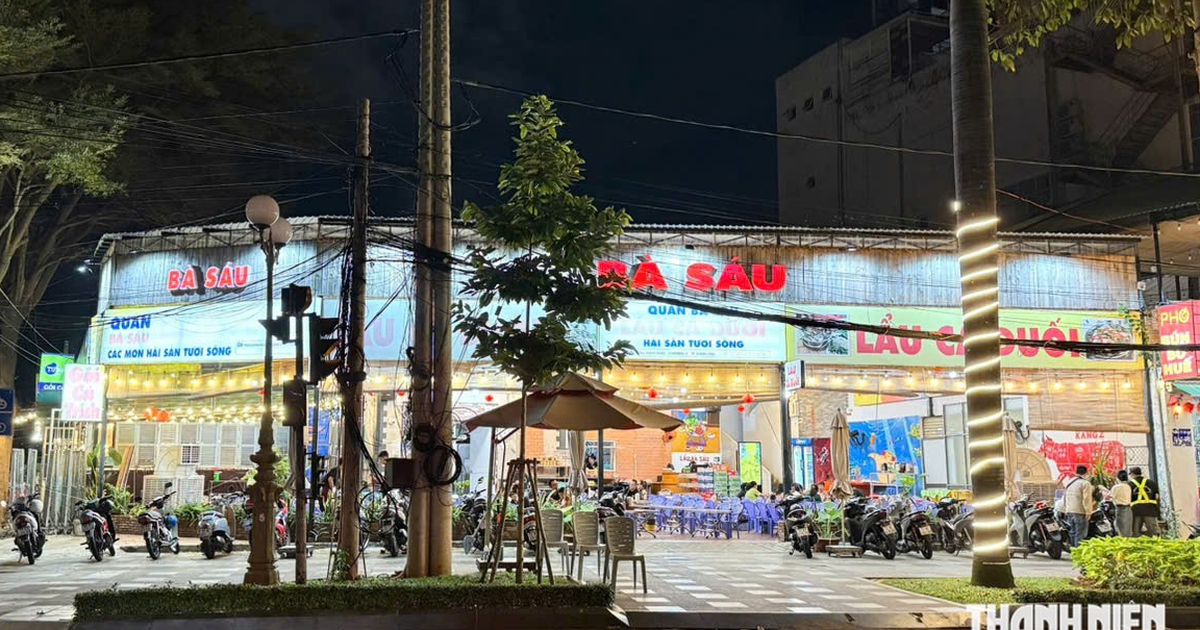
The case, which centers on a property currently utilized for commercial dining services, has become a hallmark example of the bureaucratic complexities involved in restitution claims. The inter-agency meeting, attended by representatives from the Department of Construction, the Department of Finance, and the Department of Agriculture and Rural Development, sought to untangle the web of overlapping claims and administrative hurdles that have prevented Mr. Hien from regaining possession of his private property for more than ten years.
A Chronology of a Protracted Legal Struggle
The origins of the dispute date back to 1984, a period marked by significant shifts in property management policies. At that time, Mr. Pham Ngoc Hien, preparing to travel abroad, submitted a formal request to the Vung Tau-Con Dao Special Zone authorities to allow the state to use his residence for public interest purposes. The agreement was explicitly intended as a temporary loan, with the authorities acknowledging the owner’s right to reclaim the property upon his return.
However, the path to reclamation proved far more difficult than anticipated. The timeline of the dispute illustrates the evolution of the property’s status through several administrative layers:
- 1997: The Ba Ria-Vung Tau Land Administration Office signed a lease agreement with a local joint-stock investment service company, granting the firm use of 850 square meters of land at 6 Tran Hung Dao for 50 years to serve as office space.
- 2001: The state-owned enterprise underwent privatization, transitioning into a joint-stock company.
- 2004: The Ba Ria-Vung Tau Provincial People’s Committee issued a land use rights certificate to the company, effectively cementing its hold on the property.
- 2006: Upon his return to Vietnam and subsequent registration of permanent residence in Ho Chi Minh City, Mr. Hien began the arduous process of reclaiming his home.
- 2013: The Ba Ria-Vung Tau Provincial People’s Committee issued Decision 985, formally ordering the return of the property to Mr. Hien. Despite this legal mandate, the decision remained unimplemented on the ground.
- 2022: The Judicial Council of the Supreme People’s Court issued Cassation Judgment No. 42, which affirmed the legality of Decision 985, explicitly recognizing Mr. Hien’s right to the property.
- 2024: Following further litigation by the company, the High People’s Court in Ho Chi Minh City dismissed the company’s appeals in September. By December 2024, the Provincial People’s Committee reaffirmed the decision to return the house.
Navigating the Bureaucratic Labyrinth
During the recent meeting, officials clarified the legal status of the land, emphasizing that it does not constitute public state property but rather private property belonging to a citizen. Mr. Nguyen Van Thach, Deputy Head of the Specialized Inspection Division at the Ho Chi Minh City Department of Construction, stated that the responsibility for managing and executing the handover lies primarily with local authorities. The Department of Construction is tasked with monitoring the process to ensure full compliance with judicial rulings.
A significant hurdle in the process involves the financial compensation for the current occupants. The Department of Agriculture and Rural Development has requested that the Department of Finance expedite the valuation of the assets on the land to ensure fair compensation to the joint-stock company, in accordance with previously established government decrees. Furthermore, the Department of Agriculture and Rural Development is tasked with the revocation and cancellation of the land use rights certificate issued in 2004, alongside the formal termination of the existing land lease contract.
Official Directives and the October Deadline
Vo Hong Thuan, Chairperson of the Vung Tau Ward People’s Committee, has taken a firm stance on the matter, insisting that all involved departments must coordinate effectively to achieve a definitive resolution by October 2026. The committee has outlined a strict division of labor:
- Department of Finance: Responsible for the professional valuation of the enterprise’s assets and the execution of procedures to revoke the business license associated with the address at 6 Tran Hung Dao.
- Department of Agriculture and Rural Development: Mandated to complete the cancellation of the land use certificate and finalize the liquidation of the land lease agreement.
- Department of Construction: Tasked with overseeing the enforcement of the court judgment and ensuring that all administrative actions align with the directives of the Ho Chi Minh City People’s Committee.
- Civil Judgment Enforcement Agency: Charged with the direct execution of Judgment No. 977 (2024).
The ward authorities have provided a performance guarantee: once the administrative files are complete, the local government has committed to completing the handover and issuing the new land use certificate to Mr. Hien within 20 working days of receiving a complete and valid application.
Implications for Property Rights and Public Trust
The case of 6 Tran Hung Dao is not merely an isolated dispute over a single piece of real estate; it reflects broader systemic challenges in the transition from state-managed property to private ownership. The persistence of this case for over a decade underscores the friction that occurs when administrative decisions, court judgments, and commercial interests collide.
Legal analysts point out that the inability of a citizen to reclaim property despite a Supreme Court-validated decision highlights a critical gap in the enforcement mechanism of the Vietnamese legal system. The fact that a provincial committee’s decision (Decision 985) remained in a state of "suspended animation" for over a decade suggests that bureaucratic inertia and the protection of business interests often override individual property rights in practice.
However, the coordinated intervention of the Ho Chi Minh City departments signals a shift toward stricter adherence to the rule of law. By setting a clear, time-bound roadmap for the handover, the authorities are attempting to restore public confidence in the administrative process. The resolution of this case could serve as a precedent for similar property restitution disputes across the region, demonstrating that while legal processes may be slow, they are ultimately intended to be binding.
For Mr. Hien, the October 2026 target represents the light at the end of a long, exhausting tunnel. For the local administration, the successful execution of this mandate is essential to demonstrate the efficacy of their governance and their commitment to upholding the rights of the citizens they serve. As the deadline approaches, all eyes will be on the Vung Tau Ward authorities to see if they can finally close the chapter on this decade-long saga, effectively balancing the interests of the business entity with the fundamental property rights of the owner.