Driving at night: When are motorists legally required to switch from high beams to low beams?

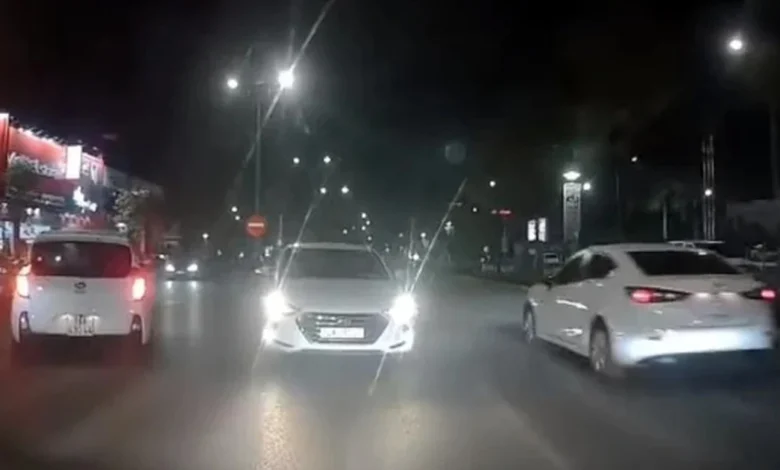
The use of high-beam headlights, colloquially known as "brights," is an essential component of nighttime driving safety, particularly on desolate, unlit rural roads where visibility is naturally constrained. However, the improper application of these powerful illumination tools in populated areas, near oncoming traffic, or at intersections creates a significant hazard for other road users. As road safety regulations become increasingly stringent to accommodate rising traffic density, understanding the legal and ethical requirements for headlight management is no longer merely a matter of courtesy—it is a critical obligation for every licensed operator.
Under the current legal framework, specifically Clause 2, Article 20 of the Law on Road Traffic, drivers are mandated to transition from high-beam (driving lights) to low-beam (dipped) headlights in four distinct scenarios. Failure to adhere to these requirements not only compromises the safety of other motorists and pedestrians but also subjects the driver to significant financial penalties under prevailing traffic administrative regulations.
The Legislative Framework and Mandatory Scenarios
Modern traffic legislation has evolved to address the risks posed by excessive glare, which can temporarily blind other road users and lead to catastrophic collisions. According to Decree 168/2024/ND-CP, the failure to switch to low beams when legally required is a punishable offense. The four primary scenarios necessitating this change are:
- Encountering Pedestrians: Many drivers mistakenly believe that high beams are only to be dimmed when facing another vehicle. However, the law explicitly requires a switch to low beams when pedestrians are present. High-intensity light can cause "dazzle" or temporary blindness, preventing a pedestrian from judging the speed and distance of an approaching vehicle accurately.
- Driving in Populated Areas with Street Lighting: A common misconception is that high beams are appropriate as long as it is dark. However, in residential or urban areas where the public lighting system is functional, drivers are required to use low beams. This regulation ensures that urban environments remain navigable without subjecting fellow commuters to unnecessary glare.
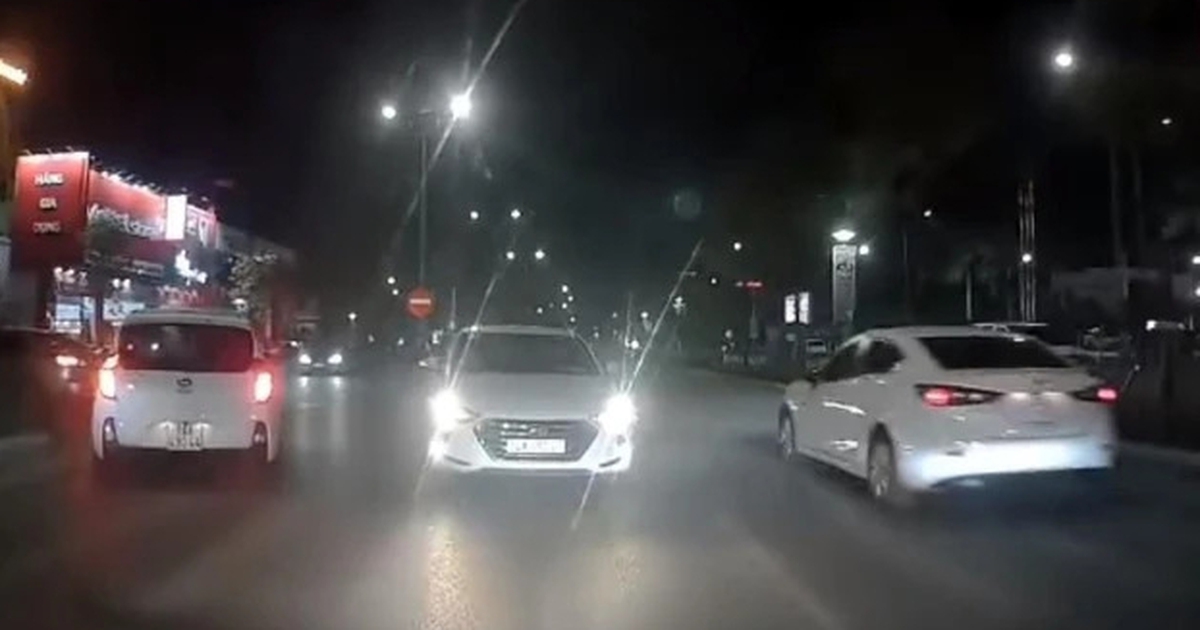
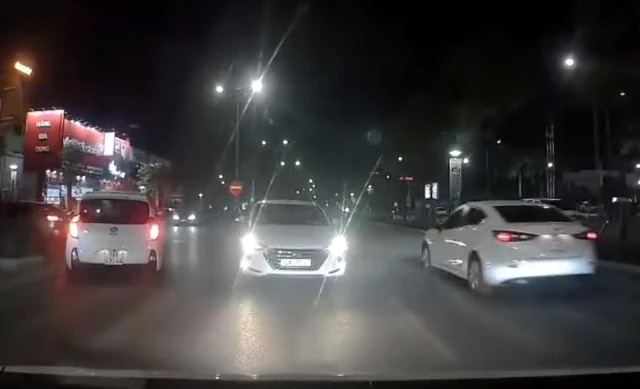
- Oncoming Traffic: When approaching another vehicle from the opposite direction, drivers must dim their lights. The only exception to this rule is if there is a physical median barrier designed to shield drivers from glare. On roads without such infrastructure, the requirement is absolute, as the direct projection of light into the cabin of an oncoming car can effectively blind the driver for several seconds.
- Intersections and Turning: Drivers are required to switch to low beams when maneuvering at intersections. Because these areas involve complex traffic patterns, multiple crossing paths, and the presence of both pedestrians and cyclists, the use of high-beam lighting creates significant visual noise that can distract or obscure the movements of others.
Historical Context and Safety Evolution
The evolution of headlight technology—from the early days of acetylene lamps to the modern era of LED and Laser lighting—has necessitated a proportional increase in the complexity of traffic laws. In the early 20th century, headlight output was relatively low, and the primary concern was simply visibility. Today, modern automotive lighting systems are capable of producing thousands of lumens, significantly increasing the potential for dangerous glare.
Throughout the late 20th and early 21st centuries, global traffic safety authorities, including those in Vietnam, began to standardize the "dipped" vs. "main" beam terminology to ensure that safety protocols were universal. The implementation of Decree 168 represents the latest step in this evolution, reflecting an era where the density of personal vehicle ownership has rendered older, more casual habits regarding headlight use obsolete.
Financial and Safety Implications
The economic consequences of failing to dim headlights are clearly defined to act as a deterrent. Under Article 6 of Decree 168/2024/ND-CP, motorists found in violation of these headlight management rules face administrative fines ranging from 800,000 VND to 1,000,000 VND. While the monetary fine is significant, the safety implications are far more severe.
Data from road safety organizations suggests that glare-induced accidents account for a measurable percentage of nighttime single-vehicle and multi-vehicle collisions. When a driver is blinded by an oncoming vehicle’s high beams, their stopping distance increases effectively because the human eye requires time to re-acclimate to the ambient light levels after being exposed to high-intensity glare. At highway speeds, a three-second period of reduced vision can result in a vehicle traveling over 80 meters while effectively "blind."
Expert Analysis: The Psychology of Headlight Use
Traffic safety experts point out that many instances of improper high-beam usage stem from a "visibility bias." Drivers often feel safer when they can see further down the road, leading them to ignore the environmental context of the road. However, safety is a collective effort. By keeping high beams on in a city, a driver may increase their own field of vision by a few meters, but they simultaneously decrease the situational awareness of every driver in their immediate vicinity.
Furthermore, there is a distinct difference between "failing to use lights" and "improper use of lights." It is vital for drivers to distinguish between the requirement to have lights on between 18:00 and 06:00 (or during poor weather conditions) and the requirement to use the correct beam setting. Using high beams when they are not needed is not merely an "aggressive" driving habit; it is a fundamental violation of the duty of care that every driver owes to the public.
Recommendations for Responsible Night Driving
To ensure compliance and foster a safer driving culture, motorists should adopt the following best practices:
- Proactive Dimming: Do not wait until you are directly alongside an oncoming vehicle to switch to low beams. Experts recommend switching as soon as you see the headlights of an oncoming car, typically at a distance of 150 to 200 meters.
- Intersection Awareness: Make it a habit to switch to low beams as you approach any intersection, regardless of whether you see other cars. This clears your field of view and reduces the chance of startling a pedestrian or cyclist who may be crossing.
- Vehicle Maintenance: Regularly check that your headlights are properly aligned. Even low-beam lights, if aimed too high, can mimic the glare of high beams and cause discomfort to other drivers.
- Recognize Exceptions: Note that emergency vehicles on official duty may be exempt from certain lighting regulations. If you encounter an emergency vehicle, focus on yielding the right of way while maintaining your own safe lighting posture.
The Broader Impact on Traffic Culture
The enforcement of these regulations is not intended to hinder a driver’s ability to see, but to balance the individual’s need for illumination with the collective need for road safety. As traffic volume continues to grow, the reliance on automated systems—such as "automatic high-beam" technology found in newer luxury vehicles—may eventually reduce the human element of error. However, until such technology is ubiquitous across the entire fleet of vehicles on the road, the responsibility remains firmly with the human driver.
In conclusion, the legal requirement to switch from high beams to low beams is a cornerstone of modern traffic safety. By adhering to these regulations, drivers contribute to a more predictable and less stressful nighttime driving environment. The law is clear: in populated areas, near pedestrians, at intersections, and when facing oncoming traffic, the high beams must be extinguished. Respecting these rules is a fundamental sign of a professional and responsible driver, ultimately saving lives and reducing the prevalence of preventable nighttime accidents.
Related posts: