Vietnamese Legal Expert Addresses Concerns Over "The Last Empress" Historical Depiction

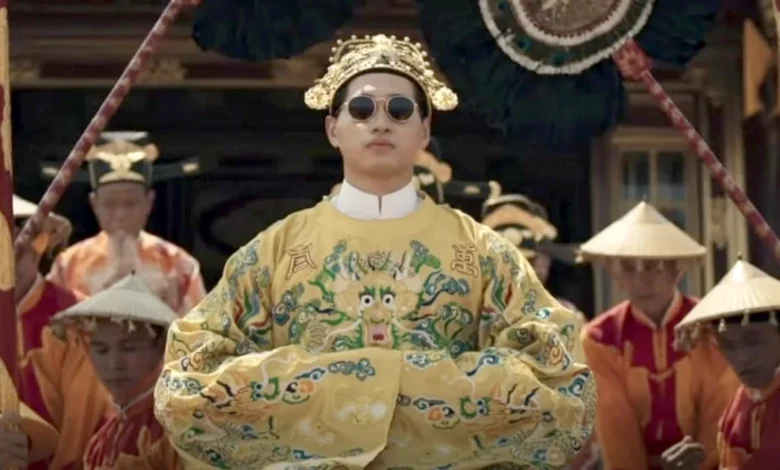
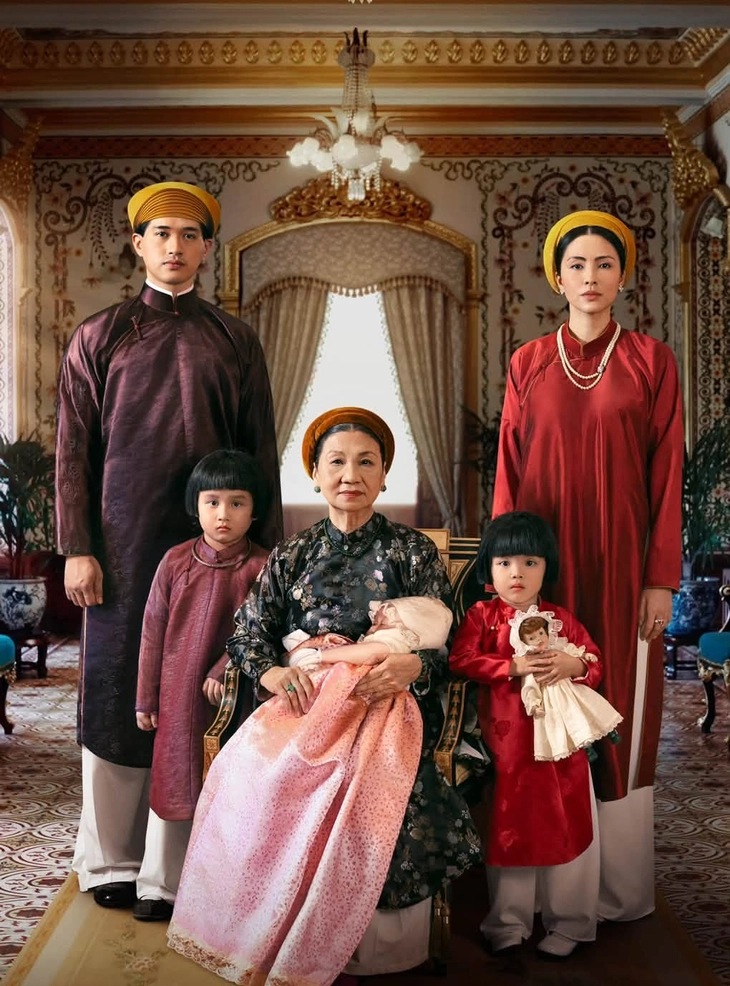
Concerns have been raised regarding the historical accuracy and potential defamation associated with the upcoming Vietnamese film "The Last Empress," with legal experts weighing in on the matter. Lawyer Hoang Ha, from Ho Chi Minh City’s Legal Department, has articulated a nuanced perspective, stating that while Vietnamese law protects individual and organizational rights, the right to freedom of expression in artistic creation is also a significant consideration. Ha’s comments came in response to the film’s teaser, which has ignited a debate about the portrayal of historical figures, including Emperor Bao Dai, Empress Nam Phuong, and Empress Dowager Tu Cung.
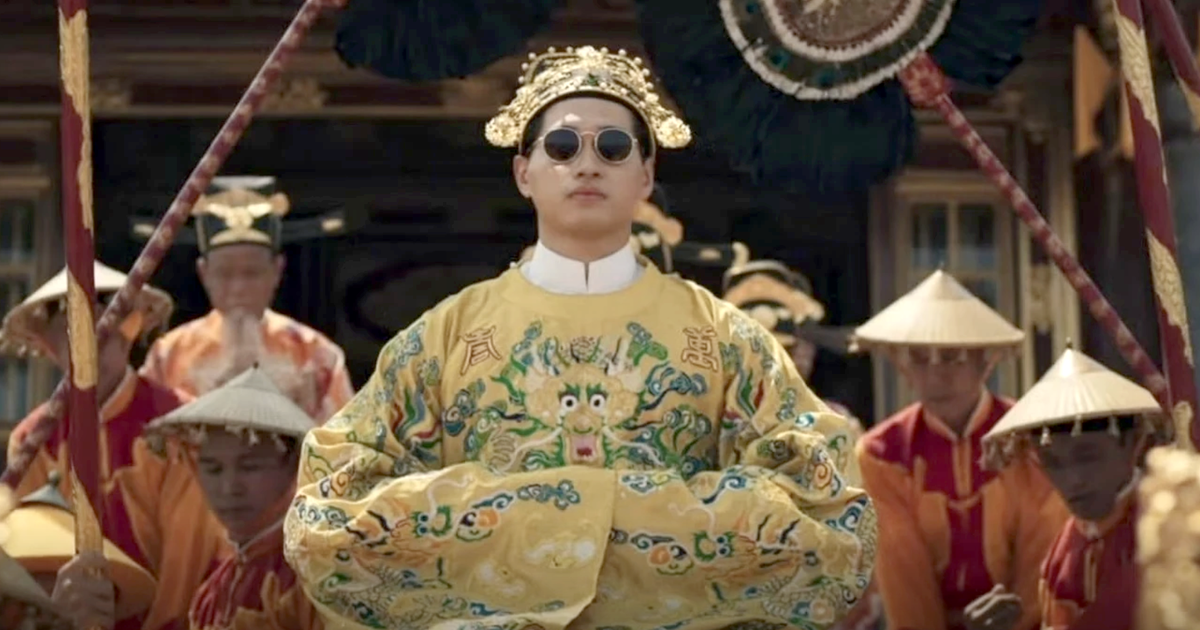
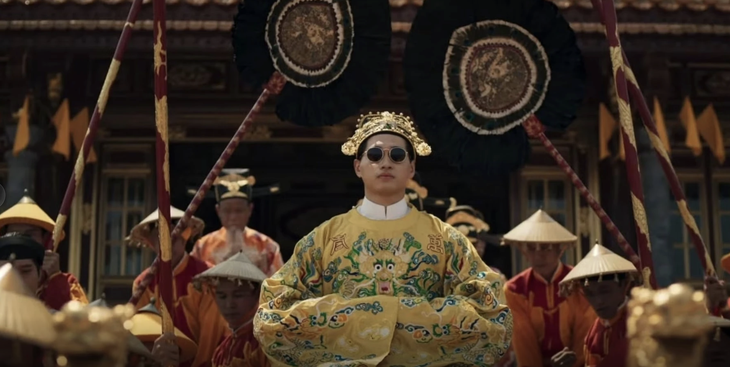
"The Last Empress" is set to explore the lives of these prominent historical figures, and the initial promotional materials have already sparked discussions about the creative liberties taken by the production team. The film, slated for release on March 5, 2027, features a cast including Tang Thanh Ha, Ma Ran Do, and Tram Anh. The production team has defended some of the creative choices, particularly regarding costume design and certain narrative elements depicted in the teaser, stating they aim to create a compelling cinematic experience while remaining respectful of the historical context. However, the legal framework governing the use of historical figures in media is complex, particularly in Vietnam.
Legal Framework and Artistic Freedom
Lawyer Hoang Ha emphasized that Vietnamese law does not require production companies to seek permission for using historical figures as characters in films. This is a crucial distinction, as it allows for a broader scope of artistic interpretation. However, this freedom is not absolute. Ha clarified that the production of films utilizing historical figures is not considered an infringement on personal rights or organizational rights, as long as it does not constitute defamation or insult.
"These individuals have already passed into history and their lives are documented through various public resources. The right to creative expression is not bound by the direct authorization of the descendants of historical figures," Ha explained. He further elaborated that the creative process does not inherently infringe upon the intellectual property rights of the "creator," a term he used to encompass the historical figures themselves or their immediate family members.
Navigating the Line Between Art and Defamation
The core of the legal discussion revolves around the potential for defamation and the impact on reputation. Vietnamese Civil Law, specifically Article 34, Clause 2 of the 2015 Civil Code, provides for the protection of personal dignity and reputation. This protection extends to deceased individuals, with their parents, spouse, or children having the right to request legal action if their loved one’s reputation is unjustly tarnished.
Ha pointed out that while the law protects the honor and reputation of individuals, the right to seek redress is typically reserved for the deceased’s immediate family or legal representatives. In cases where the deceased has no direct descendants or legally recognized representatives, the state may intervene to protect their historical legacy. This legal principle aims to strike a balance between honoring the past and allowing for contemporary interpretations of historical events.
The Case of "The Last Empress"
The film’s production team maintains that their depiction of the historical figures is based on publicly available information and aims to offer a fresh perspective on these influential personalities. They have stated that any creative choices made regarding costumes or specific plot points are intended to enhance the narrative and visual appeal of the film, rather than to deliberately misrepresent or defame the individuals involved.
However, the legal interpretation of what constitutes defamation in a historical drama can be subjective. Ha stressed that any claims of defamation would need to be substantiated by evidence proving that the film’s content is factually inaccurate and has caused demonstrable harm to the reputation of the historical figures or their families. The mere fact that a film presents a different interpretation of historical events or characters does not automatically equate to defamation.
Copyright and Image Rights in Historical Depictions
A point of contention that often arises in such discussions is the concept of image rights and copyright. Ha clarified that copyright protection typically applies to original works of authorship, such as literary works, musical compositions, or visual arts. In the context of historical figures, their inherent image and likeness are not subject to copyright in the same way.
The ownership of copyrighted material related to historical figures, such as photographs or biographies, rests with the creators or copyright holders of those specific works. The film’s creators are expected to obtain the necessary licenses or permissions for any copyrighted materials they incorporate into their production. However, the portrayal of the historical figures themselves, based on historical records and public knowledge, does not require such permissions.
The Role of Public Information and Creative Interpretation
Ha reiterated that historical figures are part of the public domain, and their lives are documented in numerous historical sources. These sources form the basis for creative interpretations in film and other media. The law recognizes the importance of historical documentation while also acknowledging the role of artistic license in bringing the past to life for contemporary audiences.
The key lies in distinguishing between factual representation and fictional embellishment. While films can take creative liberties with certain aspects of a historical narrative, they must avoid making outright false claims or presenting interpretations that are demonstrably harmful and unsubstantiated. The teaser for "The Last Empress" has, according to the production, aimed to spark interest and engagement, and the full film will provide a more complete picture of their creative vision.
Precedent and Future Implications
The case of "The Last Empress" is not the first instance of historical figures being depicted in Vietnamese cinema, and it is unlikely to be the last. Previous productions have navigated similar legal and ethical landscapes, often engaging in extensive research and consultation with historical experts to ensure a degree of accuracy.
The legal framework in Vietnam, as interpreted by experts like Hoang Ha, allows for a considerable degree of artistic freedom in portraying historical figures. However, this freedom is tempered by the fundamental principles of protecting reputation and preventing defamation. The production team of "The Last Empress" will need to remain mindful of these legal boundaries as they finalize and release their film.
The ongoing debate highlights the delicate balance between preserving historical integrity and fostering artistic innovation. As Vietnam’s film industry continues to mature, these discussions are crucial for shaping the legal and ethical standards that govern the portrayal of history on screen. The ultimate judgment of "The Last Empress" will likely depend on its ability to engage audiences with a compelling narrative while respecting the historical context and avoiding actions that could be construed as defamatory. The film’s reception will undoubtedly be influenced by how effectively it navigates these complex considerations, setting a precedent for future historical dramas in Vietnam. The public and legal scrutiny underscores the nation’s commitment to both its cultural heritage and the principles of justice and individual rights.