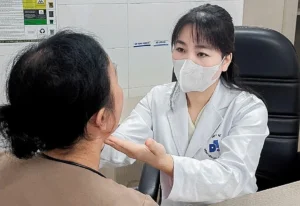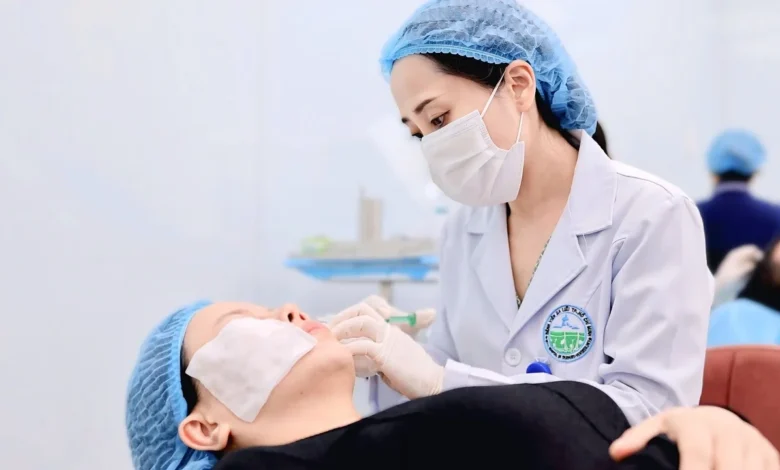
The management of acne vulgaris remains one of the most persistent challenges in modern dermatology, with recent data revealing that approximately 50% of patients fail to adhere to their prescribed treatment regimens. This lack of consistency, driven largely by fears of adverse side effects, slow clinical improvement, and the financial burden of long-term care, has created a significant hurdle for dermatologists aiming to control the condition and prevent recurrence.
Acne, a condition affecting the pilosebaceous unit of the skin, is not merely a transient adolescent grievance but a chronic inflammatory disease with profound psychosocial implications. According to clinical experts at the Ho Chi Minh City Hospital of Dermato-Venereology, the condition is the second most common reason for clinical visits, trailing only behind contact dermatitis. As the global medical community grapples with rising rates of adult-onset acne and treatment resistance, the intersection of patient psychology and pharmacological efficacy has come under intense scrutiny.
The Scope of the Crisis: A Global and Local Perspective
Medical research indicates that roughly 85% of individuals between the ages of 12 and 25 experience acne at some point in their lives. While traditionally categorized as a rite of passage for teenagers, the condition is increasingly prevalent among adults, often leading to significant social withdrawal, anxiety, and depression. When left untreated or managed improperly, acne can result in permanent physical scarring and long-term psychological distress.
Data from the Ho Chi Minh City Hospital of Dermato-Venereology provides a stark picture of the burden on the healthcare system. The institution receives over 110,000 visits annually for acne treatment alone, with adolescents comprising more than half of that volume. These figures represent a critical public health challenge, as the volume of patients often stretches clinical resources and limits the duration of patient-provider consultations, which are essential for explaining complex, multi-stage treatment plans.
Chronology and Recent Clinical Findings
During a recent scientific seminar hosted by the hospital in collaboration with industry partners on October 24, new research underscored the depth of the treatment adherence crisis. A longitudinal study conducted in 2026, which monitored 37,884 patients, found that 50% of participants struggled with maintaining their treatment, and 30% admitted to outright abandoning their prescribed regimens.
The timeline of these findings suggests that despite advancements in dermatological science, the "patient gap"—the disconnect between physician prescription and patient application—has not narrowed. Historically, acne treatments required simple topical applications; however, modern protocols often involve combinations of oral antibiotics, retinoids, and intensive skin barrier repair regimens. This complexity, while scientifically sound, appears to be inversely proportional to patient compliance.
The Barriers to Adherence: Side Effects and Misconceptions
The primary driver of treatment discontinuation, according to BS.CK1 Phan Son Long of the Hospital of Dermato-Venereology, is the initial "purge" or irritation phase. Many patients expect immediate results. When they encounter the standard side effects of high-efficacy medications—such as erythema (redness), xerosis (dryness), and desquamation (peeling)—they often misinterpret these as allergic reactions or signs that the medication is damaging their skin.
"The therapeutic lag is the greatest enemy of compliance," says Dr. Long. "Effective acne treatment typically requires several months to demonstrate visible results. During the first few weeks, the skin may appear worse as it adjusts to the active ingredients. When patients are not adequately prepared for this, they lose confidence in the treatment and the physician, leading them to self-discontinue or seek unverified alternative remedies."
Furthermore, the financial burden plays a significant role. Acne treatment is rarely a one-time expense. It is a long-term investment, and when patients do not see immediate aesthetic improvements, they become reluctant to continue funding prescriptions, leading to a cycle of intermittent treatment that prevents the skin from ever reaching a state of remission.
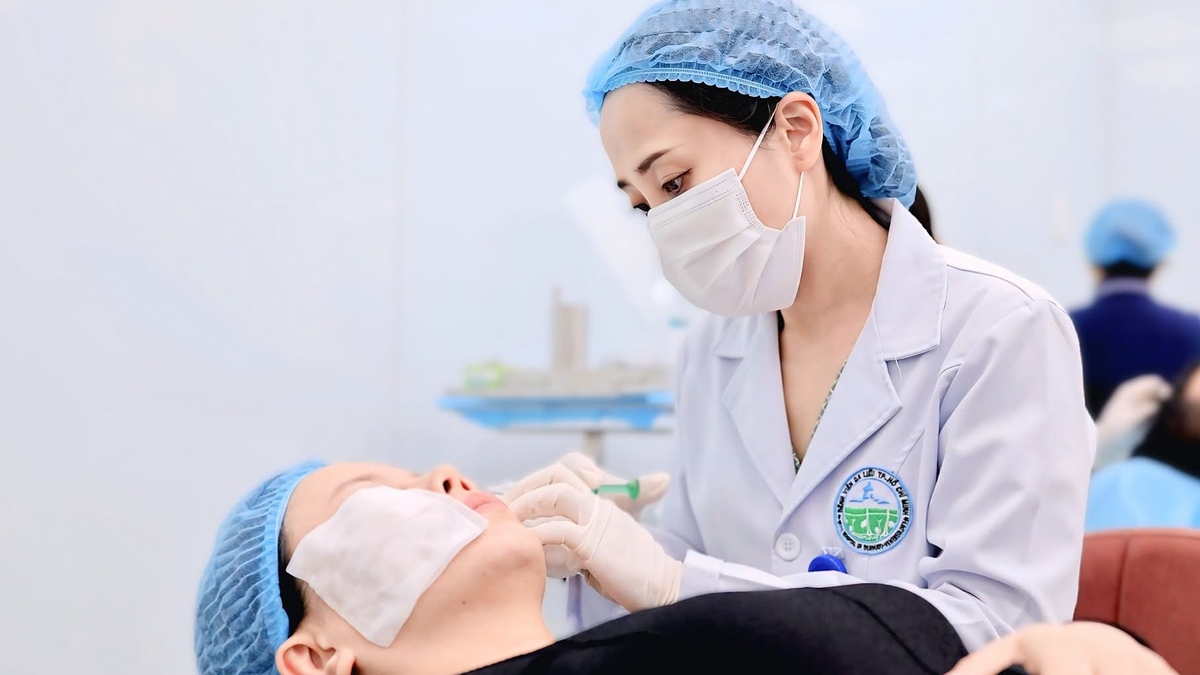
Strategic Shifts in Dermatological Care
In response to these challenges, dermatologists are shifting their approach toward a "patient-centered" model. This involves not only selecting the right molecule for the patient’s specific acne grade but also providing extensive education on skin barrier maintenance.
The integration of supportive skincare—such as non-comedogenic moisturizers and gentle cleansers—is now considered a mandatory component of acne therapy. These products are designed to mitigate the irritating effects of active medications like benzoyl peroxide or isotretinoin. By protecting the skin barrier, clinicians hope to reduce the physical discomfort that often prompts patients to quit their regimens.
There is also growing interest in botanical-based compounds as adjunct therapies. However, medical experts urge caution. While natural products are popular, their efficacy and safety profiles must be rigorously evaluated based on concentration, formulation, and individual skin type. "Not every natural product is suitable for every skin type," warns BS.CK2 Nguyen Vu Hoang, Deputy Director of the Hospital. "What works for one patient might exacerbate the inflammation in another, particularly in those with sensitive or compromised skin barriers."
Addressing the Threat of Antibiotic Resistance
A significant public health implication of inconsistent treatment is the rise of antibiotic resistance. When patients use oral or topical antibiotics intermittently—stopping when they feel "better" and restarting when they experience a flare-up—they provide the bacteria Cutibacterium acnes with the opportunity to develop resistance.
Physicians are now emphasizing that treatment is not just about clearing existing lesions; it is about preventing the formation of new ones and maintaining the results once the skin has improved. This necessitates a tapering strategy rather than an abrupt cessation of medication. The medical consensus is clear: the path to clear skin is a marathon, not a sprint, and clinical supervision is the only way to navigate the side effects safely.
The Broader Impact on Public Health
The psychological burden of acne should not be underestimated. As patients suffer through cycles of recurrence, their quality of life diminishes. The healthcare system, in turn, faces a higher long-term cost as it deals with the complications of neglected acne, such as deep-seated nodules, cysts, and permanent scarring that may later require expensive, invasive surgical or laser interventions.
Medical institutions are currently advocating for better patient-provider communication, where the expectations of the treatment duration and the inevitability of temporary side effects are established at the very first visit. By shifting the focus from "quick fixes" to "long-term management," dermatologists hope to improve adherence rates and reduce the chronic nature of the condition.
Conclusion: A Path Forward
The data from 2026 serves as a wake-up call for the dermatological community. While the pharmacology of acne treatment has never been more advanced, the human element remains the most volatile variable. The consensus among leading specialists is that success in acne management requires a tripartite approach: rigorous clinical diagnosis, patient education regarding the realities of the treatment process, and a sustained, empathetic partnership between the doctor and the patient.
Patients are strongly advised to resist the urge to self-adjust their medication or combine products without professional guidance. If a treatment regimen results in severe discomfort, the solution is not to stop, but to consult a specialist who can adjust the concentration or formulation to suit the patient’s specific physiological needs. Through such adjustments, the medical community believes it can break the cycle of failure and help patients achieve the long-term, healthy skin they seek.