The global conversation surrounding dietary habits, metabolic health, and the physiological changes that accompany aging has taken center stage following recent revelations by legendary Indian actor Amitabh Bachchan. At 83 years old, the veteran icon publicly questioned whether eliminating white rice from his daily diet is a genuinely beneficial strategy for older adults. This inquiry touches upon a fundamental dietary staple for billions of people across Asia and beyond, raising critical questions about carbohydrate consumption, glycemic control, and the nutritional nuances of aging.
While the debate over white rice is hardly new, medical professionals and nutritionists emphasize that the relationship between staple foods and metabolic health is far more complex than simple exclusion. Understanding how white rice affects blood sugar requires a thorough examination of its chemical composition, the biological shifts that occur during the aging process, and the broader context of holistic nutritional planning.
Understanding White Rice and Glycemic Impact
White rice is classified as a refined carbohydrate, meaning it has undergone a milling and polishing process that strips away the fiber-rich outer bran and germ layers. This processing leaves behind the endosperm, which consists primarily of starch. Because the fiber has been removed, the body digests and absorbs white rice relatively quickly, converting it rapidly into glucose and releasing it into the bloodstream.
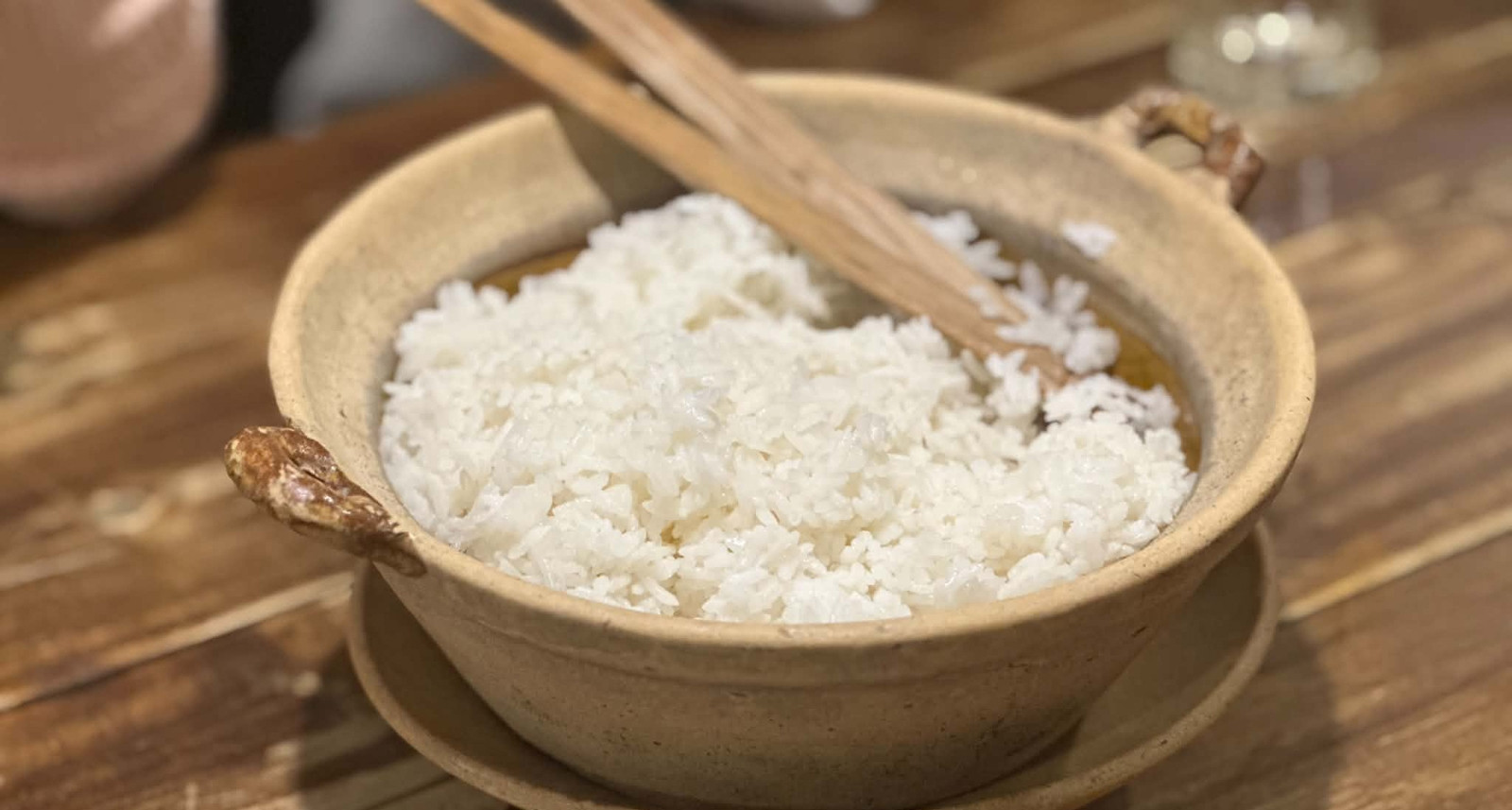
When consumed in large portions, particularly in the absence of protein, healthy fats, or dietary fiber, white rice can trigger a sharp and rapid spike in blood sugar levels. For individuals with impaired glucose tolerance, insulin resistance, or diabetes, this glycemic surge presents a distinct challenge.
Dr. Nishant Raizada, Head of Endocrinology at Amrita Hospital in India, notes that extensive scientific literature establishes a clear correlation between the chronic overconsumption of refined carbohydrates, such as white rice, and an elevated risk of developing type 2 diabetes. However, Dr. Raizada stresses that this correlation does not mean white rice is an inherently toxic food or a direct cause of diabetes in isolation. Rather, overall dietary patterns, portion sizes, physical activity levels, body weight, and individual metabolic health collectively dictate how a person’s body responds to carbohydrates.
The Aging Metabolism and Nutritional Needs
As individuals enter their later decades, the human body undergoes significant physiological transformations that fundamentally alter nutritional requirements. The aging process is frequently accompanied by a decrease in insulin sensitivity, meaning cells become less responsive to the hormone responsible for regulating blood glucose. Concurrently, natural appetite patterns shift, and many older adults experience a gradual, involuntary loss of muscle mass—a condition clinically known as sarcopenia.
If older adults abruptly eliminate staple foods like white rice without carefully planning alternative nutrient sources, they risk failing to meet their daily caloric and nutritional needs. This shortfall can accelerate malnutrition and exacerbate the progression of sarcopenia.
"When caloric intake is not adequately maintained, it contributes directly to malnutrition and accelerates muscle wasting, which is the progressive reduction of muscle mass and physical strength," Dr. Raizada explains.
Muscle mass plays a vital role in maintaining overall physical autonomy, balance, mobility, and metabolic health. According to medical specialists, the primary nutritional goal for individuals over the rule of 70 is to optimize metabolic control rather than impose rigid, restrictive bans on carbohydrates. While individuals managing obesity, prediabetes, or post-prandial hyperglycemia—elevated blood sugar following a meal—can certainly benefit from reducing their portions of white rice, complete elimination is rarely necessary or advisable.
Strategic Alternatives and Dietary Diversity
Dietary guidelines for older populations emphasize diversity and balance over exclusion. According to reports from health publications such as NDTV, white rice can be successfully alternated or replaced with minimally processed whole grains depending on individual nutritional needs and preferences.
Nutritional experts recommend incorporating options such as brown rice, red rice, millets, oats, and various unrefined ancient grains. These alternatives retain their fiber-rich outer layers, which slow down digestion, blunt the glycemic response, and promote sustained energy levels throughout the day.

Furthermore, the manner in which white rice is consumed is just as significant as the grain itself. Pairing a moderate portion of white rice with lean proteins—such as fish, eggs, poultry, or legumes—along with healthy fats and fiber-rich vegetables creates a balanced meal that significantly moderates the rate of glucose absorption compared to consuming a large, isolated bowl of rice.
For older adults, particularly within cultures where rice forms the cultural and dietary cornerstone of daily life, rigid restrictions often lead to poor adherence and nutritional deficiencies. Instead, dietary strategies that focus on portion control, food synergy, and variety tend to yield superior long-term health outcomes.
Professional Consensus on Healthy Eating for Seniors
Summarizing the current medical consensus, Dr. Raizada highlights that food choices must serve the dual purpose of sustaining muscle integrity and physical strength while simultaneously controlling blood sugar and metabolic health.
"By its very nature, rice is neither an essential food nor a dangerous one. A healthy diet is defined not by what is restricted most severely, but by what nourishes the body best," Dr. Raizada remarks. "The food we consume every day must help maintain muscle mass, preserve strength, and stabilize blood sugar and metabolic health concurrently."

For the elderly, the overarching nutritional objective is to eat sensibly and strategically to support longevity, maintain functional independence, and protect metabolic resilience. Rather than reacting to fleeting dietary trends or eliminating lifelong dietary staples out of fear, older adults are encouraged to consult with healthcare providers or clinical dietitians to craft personalized nutrition plans that honor their cultural preferences while meeting their changing physiological needs.