Cong 11 intersection in Dong Nai faces intense scrutiny following fatal traffic accident involving heavy machinery

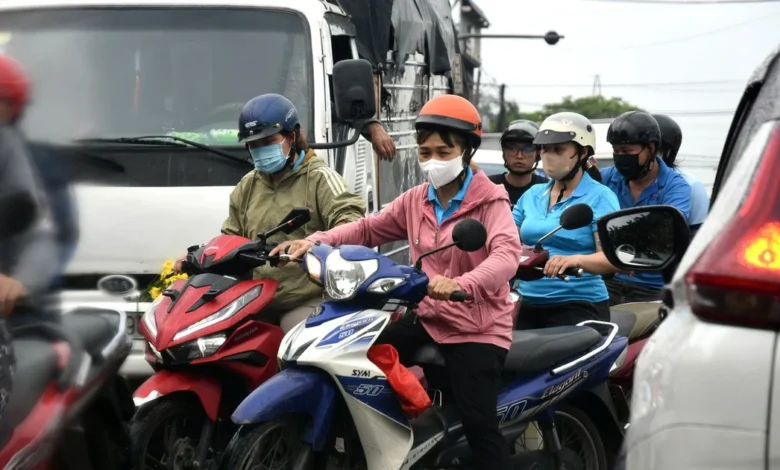
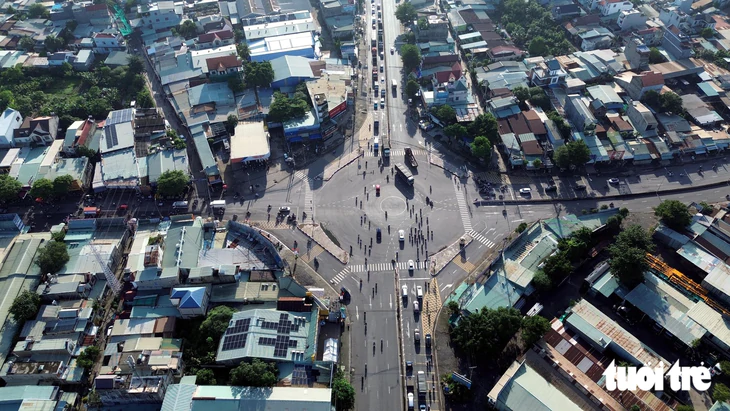
One day after a harrowing traffic collision that claimed the lives of three people in Dong Nai province, questions regarding the safety and operational efficiency of the Cong 11 intersection have intensified. The site, which serves as a critical junction connecting Vo Nguyen Giap Street—a bypass for National Highway 1—with Bui Van Hoa Street, has long been a flashpoint for traffic congestion and serious road accidents. As authorities move to investigate the circumstances of the latest tragedy, the public is calling for a long-term engineering solution to address what has become one of the most dangerous traffic bottlenecks in the region.
The Anatomy of the Accident
The incident, which occurred at approximately 8:20 a.m. on September 8, involved a heavy goods vehicle and a motorcycle. According to preliminary reports from local traffic police, a freight truck traveling on Bui Van Hoa Street from the Long Thanh direction toward Bien Hoa collided with a motorcycle operated by a 27-year-old woman. The motorcycle was carrying three children at the time.
The impact of the collision threw all four individuals onto the asphalt, where they were tragically caught beneath the truck’s chassis. The 27-year-old woman and two of the children succumbed to their injuries at the scene. A third child, a two-year-old girl, sustained injuries and was rushed to a local medical facility for emergency care. As of the latest update, the child’s condition has stabilized. Subsequent toxicological screenings performed on the truck driver confirmed that there was no presence of alcohol or narcotics in his system, shifting the focus of the investigation toward systemic infrastructure and traffic management issues at the intersection.
The Strategic Importance and Traffic Load of Cong 11
Cong 11 is not merely a local intersection; it is a vital artery for the industrial heartland of southern Vietnam. For years, Bui Van Hoa Street has functioned as a primary logistics corridor linking the center of Bien Hoa city to National Highway 51. The route passes through several major industrial parks, including Bien Hoa 2, Loteco, and Agtex Long Binh, as well as the ICD Tan Cang-Long Binh dry port.
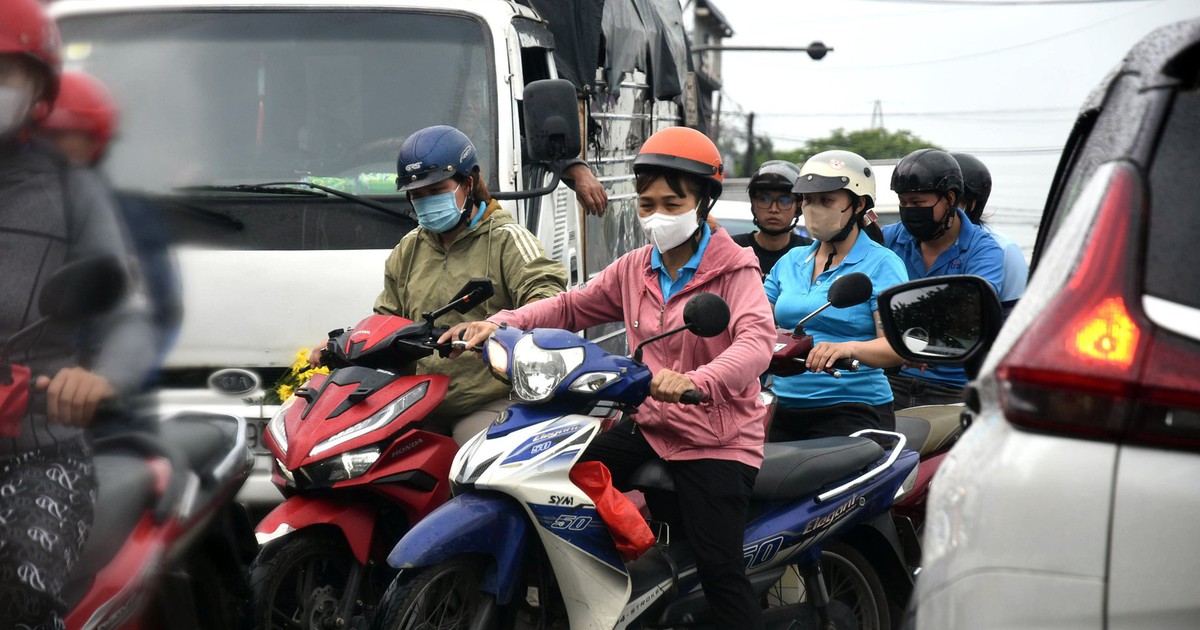
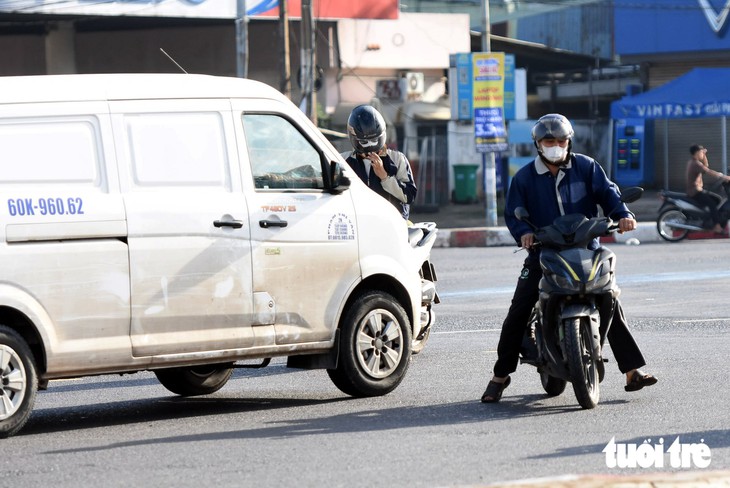
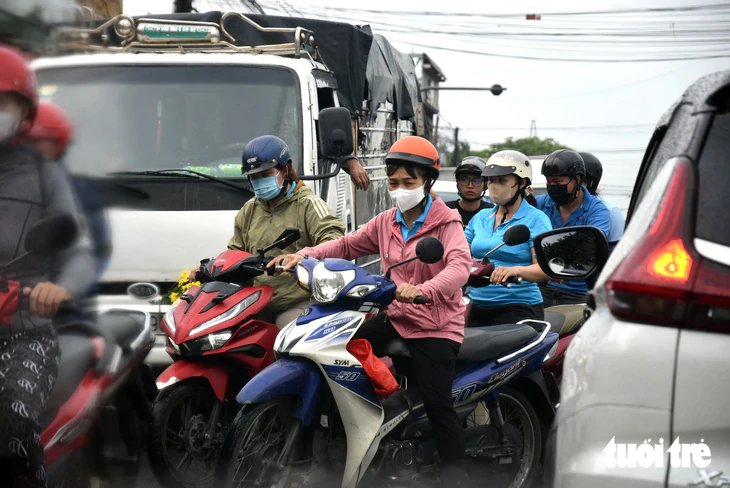
Because of this industrial concentration, the intersection experiences a relentless influx of heavy-duty vehicles, including tractor-trailers and container trucks, all attempting to access National Highway 51 to reach the Cai Mep-Thi Vai port complex. This heavy industrial traffic must share the road space with thousands of workers and students who rely on motorcycles and electric bicycles to commute during peak hours. The resulting friction between high-speed freight logistics and vulnerable commuters creates a volatile environment where even a minor miscalculation can lead to a catastrophic outcome.
A History of Engineering Adjustments
The recurring nature of "black spot" incidents at Cong 11 has prompted various government agencies to experiment with different traffic management configurations over the past decade. The intersection has undergone multiple redesigns, yet none have succeeded in fully mitigating the risks.
In 2016, two years after the opening of the Vo Nguyen Giap bypass, authorities reduced the radius of the central roundabout from 35 meters to 27 meters and installed signal lights to better control the flow of traffic. However, as the volume of freight continued to climb, further adjustments became necessary. By the end of 2023, the managing body of the project implemented a more complex system, including the installation of traffic signals at the roundabout, the creation of four dedicated turn lanes, and the extension of central medians to better separate opposing traffic flows.
By March 2024, the radius of the roundabout was further shrunk to a mere five meters to provide more maneuverable space for large vehicles. Finally, in August 2026, the roundabout structure was entirely removed in favor of a more expansive, signal-controlled configuration. Despite these frequent modifications, the fundamental conflict remains: the intersection is forced to accommodate a volume of traffic that far exceeds its current design capacity, leading to frequent congestion and dangerous weaving patterns as vehicles of different sizes and speeds compete for the same lane space.
The Proposed Long-Term Solution: Elevated Infrastructure
Recognizing that surface-level adjustments have hit a ceiling in terms of efficacy, the Dong Nai provincial government has approved a significant infrastructure project to address the bottleneck. In April 2026, the People’s Council of Dong Nai approved the investment policy for an elevated road project spanning approximately 6.2 kilometers along National Highway 51.
The project, which carries an estimated investment cost of more than 16,000 billion VND, includes a 4.6-kilometer elevated bridge section designed with six lanes of traffic. The existing surface-level road beneath the bridge will be upgraded and renovated into a four-lane road with two additional mixed-use lanes. Crucially, the Cong 11 intersection is a focal point of this project. Planners intend to integrate the intersection into the larger scheme of the Vo Nguyen Giap and the Bien Hoa-Vung Tau expressway connection. By shifting through-traffic onto an elevated structure, authorities aim to separate long-distance freight movement from local commuter traffic, thereby significantly reducing the pressure on the current ground-level junction.
Implications and Expert Perspectives
The tragedy of September 8 serves as a grim reminder of the human cost associated with lagging infrastructure in rapidly industrializing regions. While the long-term project for the elevated road is viewed by local planners as the definitive solution to the "black spot" at Cong 11, the timeline for completion leaves a precarious gap. In the interim, the combination of high-density industrial logistics and commuter traffic continues to pose a significant risk to public safety.
Urban planning experts argue that while engineering solutions such as roundabouts and signal lights are necessary, they are insufficient when the vehicle mix is so heavily skewed toward heavy freight. "When you have container trucks navigating a space that is also heavily utilized by school children on bicycles, you are essentially managing a high-stakes conflict of physics," noted a logistics analyst who requested anonymity. "Short-term solutions like lane stripping and signal timing can only do so much. The ultimate goal must be the total separation of traffic flows, which is why the elevated project is not just an improvement, but a necessity."
The Road Ahead
As the investigation into the latest fatal accident continues, the Dong Nai Department of Transport is under increased pressure to implement immediate, temporary safety measures. Suggestions from local advocacy groups include stricter enforcement of speed limits for freight vehicles near the intersection, the implementation of dedicated "safe zones" for motorcyclists at traffic signals, and potential restrictions on heavy vehicle movement during peak school-commuting hours.
However, the consensus among stakeholders remains that the structural redesign—the elevated expressway—is the only viable path to ending the cycle of tragedy at Cong 11. Until that infrastructure is realized, the intersection will likely remain a symbol of the challenges facing Vietnam’s transport sector: the struggle to balance economic development driven by international trade with the fundamental duty to ensure the safety of its citizens on the road. For the families of those lost on September 8, the transition from a dangerous, complex roundabout to a modernized, multi-level traffic hub cannot come soon enough.