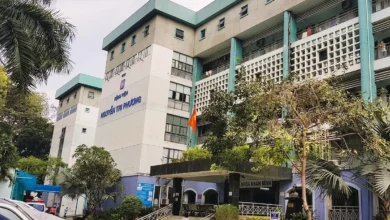
Nha Trang Authorities Fine Bakery Owner Following Mass Food Poisoning Outbreak Amid Regional Safety Concerns


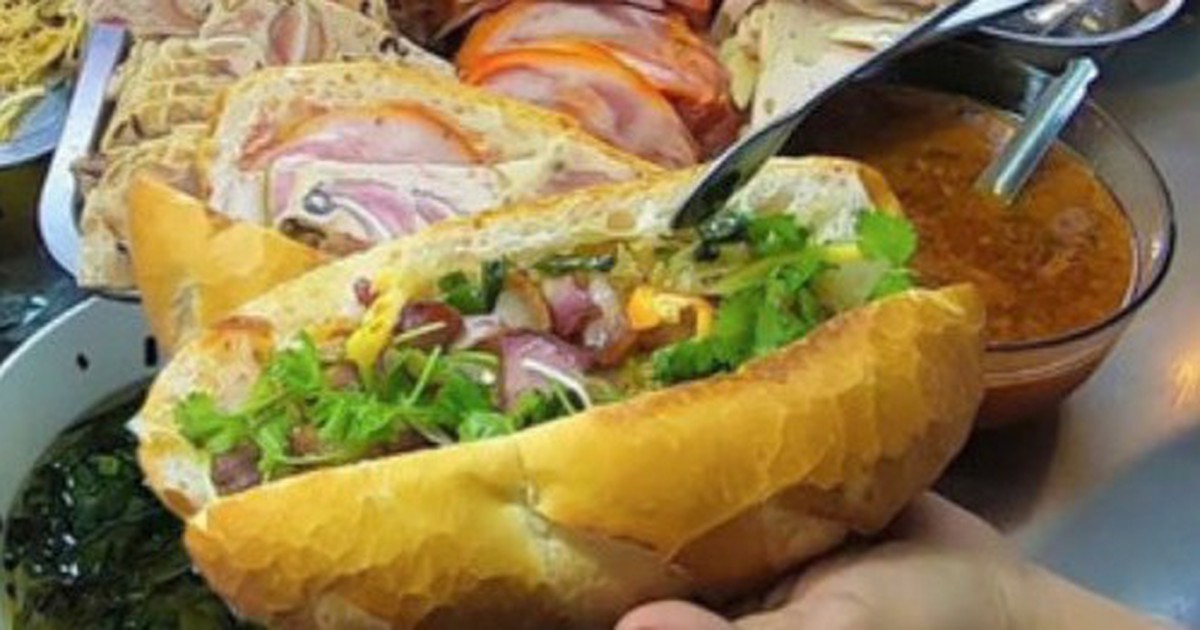
The People’s Committee of Nha Trang Ward, situated in the coastal tourism hub of Nha Trang within Khanh Hoa Province, has officially sanctioned a local business owner following a food poisoning incident that left multiple residents requiring medical intervention. On the evening of July 23, Mr. Huynh Quang Tu, Vice Chairman of the Nha Trang Ward People’s Committee, confirmed that an administrative fine of 14 million VND (approximately $550 USD) had been levied against Mr. L.T.H., a 26-year-old entrepreneur and the owner of the "Dong Man I" bakery. The penalty comes in the wake of an investigation that revealed several critical failures in food safety protocols, which authorities believe led to a localized outbreak of gastrointestinal illness among the bakery’s patrons.
Chronology of the Incident and Medical Response
The timeline of the outbreak began on the evening of July 19, when a significant number of local residents purchased bread and sandwiches from the Dong Man I establishment. According to victim reports and the subsequent investigation, the consumption of these products was followed by a brief incubation period. By the morning of July 20, several individuals began exhibiting classic symptoms of foodborne illness, including acute vomiting, severe abdominal pain, and persistent diarrhea.
In the initial stages of the illness, many of the affected individuals attempted to manage their symptoms through self-medication, purchasing over-the-counter treatments from local pharmacies. However, as the severity of the symptoms failed to subside and dehydration became a concern, the patients sought professional help at various local medical facilities. Clinical diagnoses at these institutions pointed toward suspected food poisoning, prompting the medical staff to notify local health authorities.
As of the latest updates from the Khanh Hoa health department, the condition of the hospitalized patients has stabilized. Most have been discharged or are in the final stages of recovery, though the incident has left a lingering sense of unease among the local community regarding the safety of street food and small-scale bakeries in the region.
Detailed Findings of the Health Inspection
Following the reports from medical facilities, an inspection team from the Nha Trang Ward People’s Committee conducted a comprehensive audit of the Dong Man I bakery. The findings of this inspection were instrumental in the decision to fine the owner, as they highlighted a systemic disregard for the "Law on Food Safety" and relevant governmental decrees.
The inspection team identified four major violations that served as the basis for the 14 million VND fine:
- Failure to Implement the Three-Step Food Inspection Process: In Vietnam, food business operators are required to follow a rigorous three-step check that involves inspecting the quality of raw materials upon entry, monitoring the processing environment, and verifying the safety of the finished product before sale. The Dong Man I bakery had no records or evidence of performing these checks.
- Negligence in Food Sample Storage: Regulations mandate that establishments must retain food samples for at least 24 hours to facilitate testing in the event of a suspected outbreak. The bakery failed to store samples of the products sold on July 19, significantly hindering the ability of laboratory technicians to identify the specific pathogen (such as Salmonella or E. coli) responsible for the poisoning.
- Lack of Personal Protective Equipment (PPE): During the processing and handling of food, staff members were found to be working without face masks. This violation increases the risk of droplet contamination, a primary vector for transmitting bacteria and viruses to ready-to-eat foods like bread and cold cuts.
- Substandard Waste Management: The processing area lacked regulated waste collection tools and containers. Improper waste disposal in a food preparation environment attracts pests and creates a breeding ground for cross-contamination.
Comparative Context: The Cam Ranh Outbreak
The incident in Nha Trang is not an isolated case in Khanh Hoa Province. The region has been on high alert following a much larger outbreak earlier in the month. On July 2 and 3, the Cam Ranh Regional General Hospital received nearly 50 patients presenting with symptoms of food poisoning. These patients had all consumed meals at the "Quynh Nga" chicken rice restaurant in Cam Ranh.
The investigation into the Quynh Nga case resulted in a 10 million VND fine for similar food safety violations. While the fine in the Nha Trang case is slightly higher, the frequency of these incidents within a single month has raised questions about the efficacy of current deterrents. Public health experts argue that for businesses generating high daily turnover, fines ranging from 10 to 14 million VND may be viewed merely as a "cost of doing business" rather than a significant motivation to overhaul hygiene standards.
The Broader Impact on Tourism and Public Trust
Nha Trang is a cornerstone of Vietnam’s tourism industry, attracting millions of domestic and international visitors annually. Food safety is not merely a public health issue in such a city; it is an economic one. Outbreaks of food poisoning, especially when reported in the media, can rapidly tarnish the reputation of a destination.
The "bread" (Banh Mi) culture is a significant draw for tourists seeking authentic Vietnamese culinary experiences. When prominent local bakeries are found to be operating under unsanitary conditions, it undermines the "Safe Destination" brand that the Khanh Hoa Department of Tourism has worked hard to build. Local authorities are now facing pressure to increase the frequency of unannounced inspections and to potentially implement a "naming and shaming" policy for repeat offenders to protect both the health of citizens and the local economy.
Analysis of Regulatory Frameworks
The administrative fines issued in these cases are governed by Decree 115/2018/ND-CP, which stipulates penalties for administrative violations concerning food safety. Under this decree, the failure to keep food samples or to follow the three-step inspection process is treated with varying levels of severity depending on the scale of the business.
However, legal analysts suggest that the province may need to look toward stricter measures. In cases where mass poisoning occurs, especially if it leads to long-term health complications or death, criminal charges can be brought under the Penal Code. While the current incidents did not result in fatalities, the "suspected" nature of the poisoning—often left unconfirmed because establishment owners failed to keep samples—highlights a loophole that prevents more rigorous prosecution.
Conclusion and Future Outlook
The 14 million VND fine against Mr. L.T.H. serves as a stern warning to small business owners in Nha Trang. The ward’s leadership has signaled that they will no longer tolerate the bypass of basic hygiene requirements, such as wearing masks and managing waste.
Moving forward, the Khanh Hoa Provincial People’s Committee is expected to coordinate with the Department of Health to launch a province-wide training campaign for food service workers. This initiative aims to educate owners on the "Three-Step Process" and the critical importance of sample archiving.
For the residents and tourists of Nha Trang, the incident serves as a reminder to remain vigilant. Health officials recommend that consumers patronize establishments that clearly display food safety certification and maintain visible standards of cleanliness. As the summer travel season continues, the pressure remains on the provincial government to ensure that the "flavor of Nha Trang" remains associated with its world-class seafood and street food, rather than the risk of hospital visits. The stabilization of the patients involved in the Dong Man I incident is a relief, but the systemic issues of food safety management in rapidly growing urban centers remain a challenge that requires more than just administrative fines to solve.