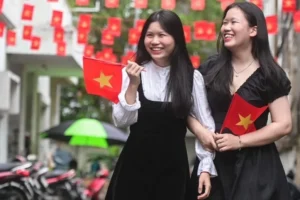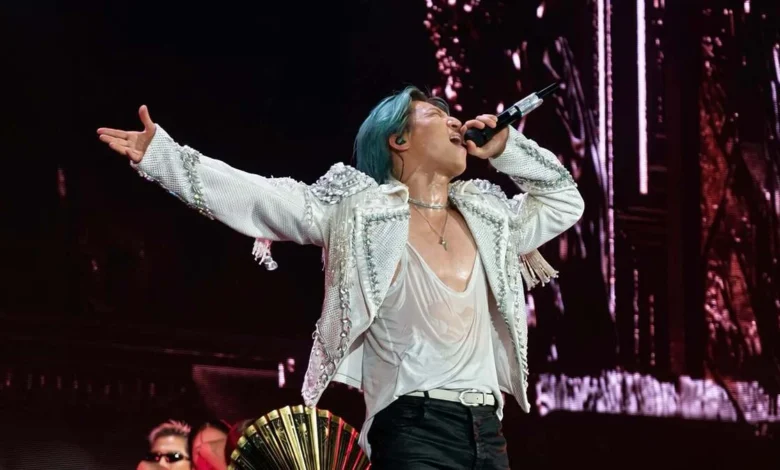
The two-night performance of the iconic South Korean boy band BigBang at Hanoi’s My Dinh National Stadium has set a new benchmark for the entertainment industry in Vietnam, drawing a record-breaking 90,000 attendees. This achievement surpasses the 67,000 spectators recorded during the Blackpink concert in 2023, signaling a significant shift in how international musical intellectual property (IP) can be leveraged to stimulate local economic growth and cultural infrastructure. Behind these performances lies a complex ecosystem of business strategies, spanning two decades of brand development, sophisticated ticketing logistics, and strategic partnerships with global entities.
The Phenomenon of the Nostalgia Economy
The success of the BigBang concert in Hanoi serves as a primary case study for the "nostalgia economy," a business model that capitalizes on the deep-rooted emotional connection between consumers and long-standing cultural products. BigBang, which rose to prominence in the late 2000s and early 2010s, captured the youth of a generation that now constitutes the primary spending demographic in Southeast Asia.
Many of the fans who attended the Hanoi concert were students during the group’s initial peak. Nearly two decades later, this cohort has entered the workforce, possessing stable incomes and the disposable capital to invest in experiences that serve as markers of their formative years. Songs such as "Haru Haru," "Lies," and "Fantastic Baby" function as more than mere musical compositions; they are catalysts for communal memory. For this demographic, purchasing a ticket is not merely an act of consumption but an investment in an emotional homecoming, providing a chance to reconnect with their idols and share a collective cultural space with a community of like-minded fans.
Chronology and Operational Logistics
The road to the Hanoi concert was marked by meticulous planning and a phased rollout strategy. The event was co-organized by YG Entertainment, the group’s management agency, in collaboration with AEG Presents Asia, Carpa, and VPBank, with support from Mastercard and the ticketing platform CTicket.
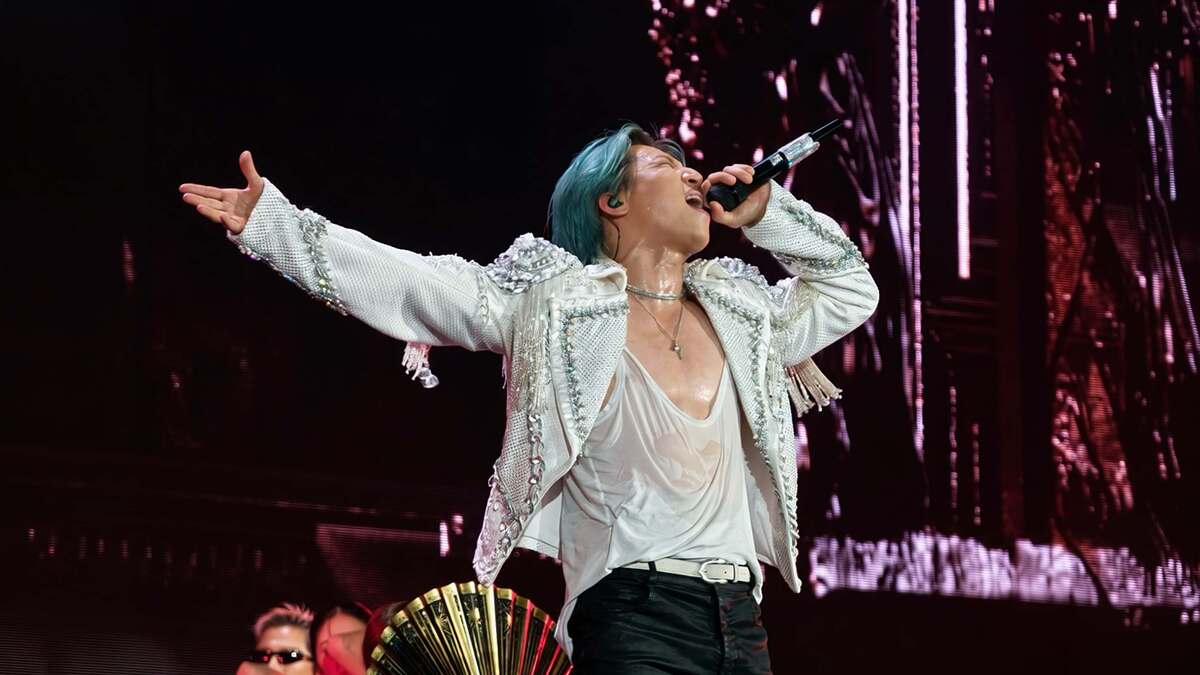
The ticket sales process reflected a sophisticated understanding of consumer behavior. On August 13, a presale for members saw approximately 60,000 fans queuing, followed by a secondary release for bank cardholders on August 14, which attracted 120,000 registration attempts. This tiered approach allowed organizers to gauge demand accurately and optimize marketing strategies.
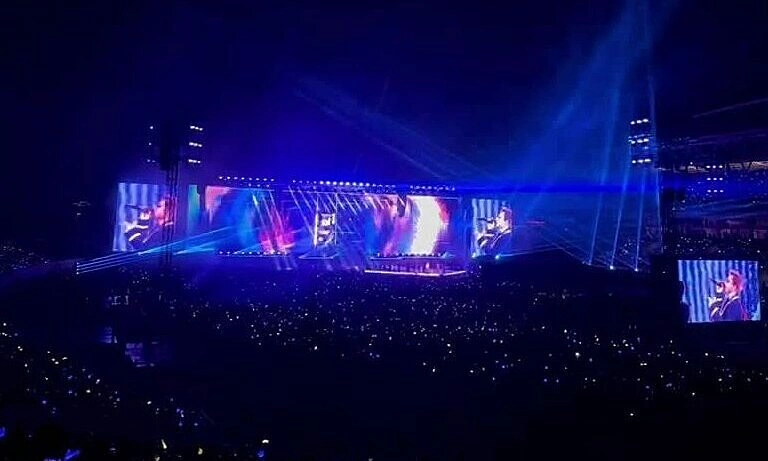
The stage production was equally ambitious. Spanning 64 meters, the stage at My Dinh was designed to mirror the production standards of the group’s world tour. A standout feature was the 23-ton movable diamond-shaped LED screen, which was programmed to shift and rotate according to the specific choreography of each track. The sound system was elevated on overhead trusses, ensuring consistent audio quality even for spectators in the furthest stands.
Economic Implications and Financial Scope
While official revenue figures remain undisclosed by the organizers, industry estimates suggest the financial impact of the two-night event is likely in the hundreds of billions of Vietnamese Dong. With 90,000 tickets sold at prices ranging from 1 million to 10.5 million VND (approximately 38 to 399 USD), and assuming an average ticket price of 4 to 5 million VND, the gross revenue from ticket sales alone could range between 360 and 450 billion VND.
However, the broader economic impact extends well beyond the stadium gates. Nguyen Tien Dat, Vice Chairman of the Hanoi Tourism Association and General Director of AZA Travel, suggests that total tourism revenue for Hanoi during the two days of the concert could reach between 650 and 800 billion VND. This figure accounts for the influx of visitors who require accommodation, transportation, and dining services. While this projection is consistent with the economic performance seen during the 2023 Blackpink tour, analysts caution that determining the exact net economic benefit requires isolating the expenditures specifically generated by the event from baseline local economic activity.
The Evolution of Intellectual Property Management
A key takeaway from the BigBang tour is the professionalization of music as a form of intellectual property. Unlike artists who may rely solely on touring, YG Entertainment has maintained the relevance of the BigBang brand through a multi-faceted approach. Prior to the tour, the group returned to the Coachella stage in April, released a new single titled "BiiiG" to coincide with their 20th anniversary on August 19, and hosted a hybrid exhibition titled "COSMOS," which utilized AI, holograms, and immersive reality.
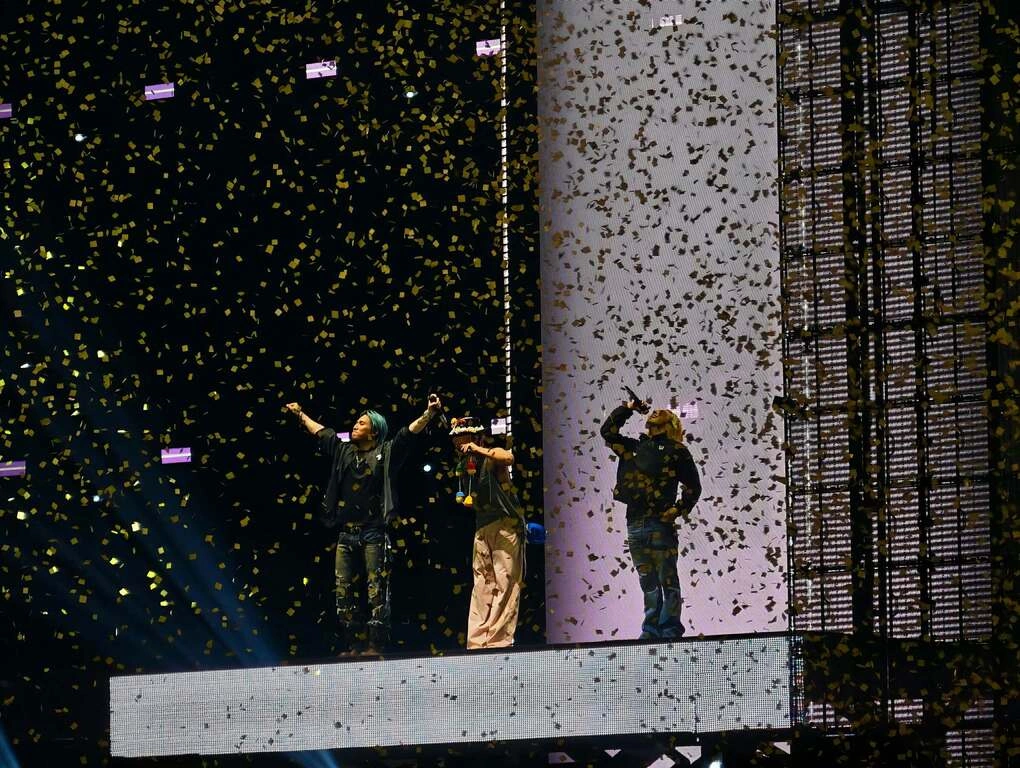
The "XX: COSMOS" tour encompassed 39 shows across 19 cities, exclusively utilizing stadium and arena venues. The sell-out of the opening three shows in Goyang, South Korea, in just 22 minutes, demonstrated the enduring global demand for the group, a factor that organizers in Vietnam successfully tapped into by aligning their local event with the broader international tour schedule.
Strategic Perspectives on the Creative Industry
The success of such large-scale events highlights both the potential and the limitations of the current Vietnamese entertainment market. According to media and brand expert Nguyen Trieu Thanh Tam, while the ability to sell out stadiums proves the strength of the domestic market, it does not necessarily represent the maturation of an entire performance industry.
"Selling out a concert proves the magnetism of an artist and an event, but it does not fully define the strength of the entire performance industry," says Tam. "To elevate its position in the value chain, Vietnam needs to develop capacity in content production, copyright management, and brand building, and successfully introduce locally created products to the international market, rather than simply acting as a host destination."
Tam emphasizes that the sustainability of the industry relies on shifting from a service-provider model to a creator-owner model. This involves investing in human resources, high-tech stage engineering, and artistic quality, as well as establishing a calendar of annual events that can create consistent, rather than sporadic, economic "pull" for tourist destinations.
Challenges and Future Outlook
The reliance on corporate sponsorship is another critical factor. Because the overhead for international-standard productions is immense—encompassing artist fees, logistics, stage equipment, security, and marketing—sponsorships are essential to bridge the gap between production costs and ticket revenue. These partnerships, such as those with financial institutions, allow organizers to offer early access to ticket holders, effectively turning financial products into gate-access tools.
However, the lack of transparency regarding production costs and profit-sharing makes it difficult to assess the true financial efficiency of such events for the local economy. The challenge for stakeholders moving forward will be to ensure that the infrastructure developed for these "mega-events" is utilized for local talent as well.
The rise of domestically produced programs such as "Anh Trai Say Hi" and "Anh Trai Vuot Ngan Chong Gai," which attract 25,000 to 30,000 attendees per night, demonstrates that there is a burgeoning market for local content. Yet, as experts point out, these programs must prove their longevity once the initial hype fades.
In conclusion, the BigBang concert at My Dinh Stadium serves as a powerful indicator of Vietnam’s growing capacity to participate in the global entertainment circuit. However, the path to a robust, self-sustaining industry requires more than just high-profile international tours. It necessitates a long-term strategy of investing in the "soft power" of cultural creation, the protection of intellectual property, and the cultivation of an ecosystem where local artists can reach the same heights of production and commercial success as their international counterparts. The true measure of success will not be the capacity of a stadium for a two-night show, but the ability to create jobs, original products, and lasting cultural impact over the coming decades.
Related posts: