Does Chronic High Blood Pressure Lead to Kidney Failure: Understanding the Silent Progression of Renal Damage

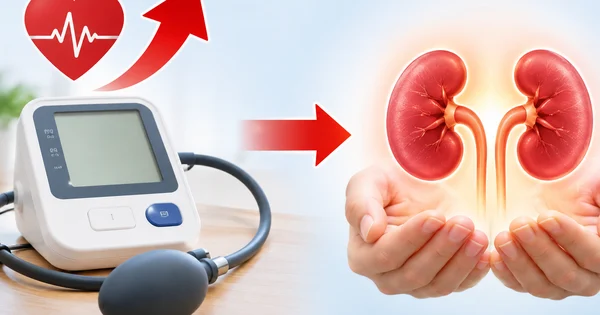
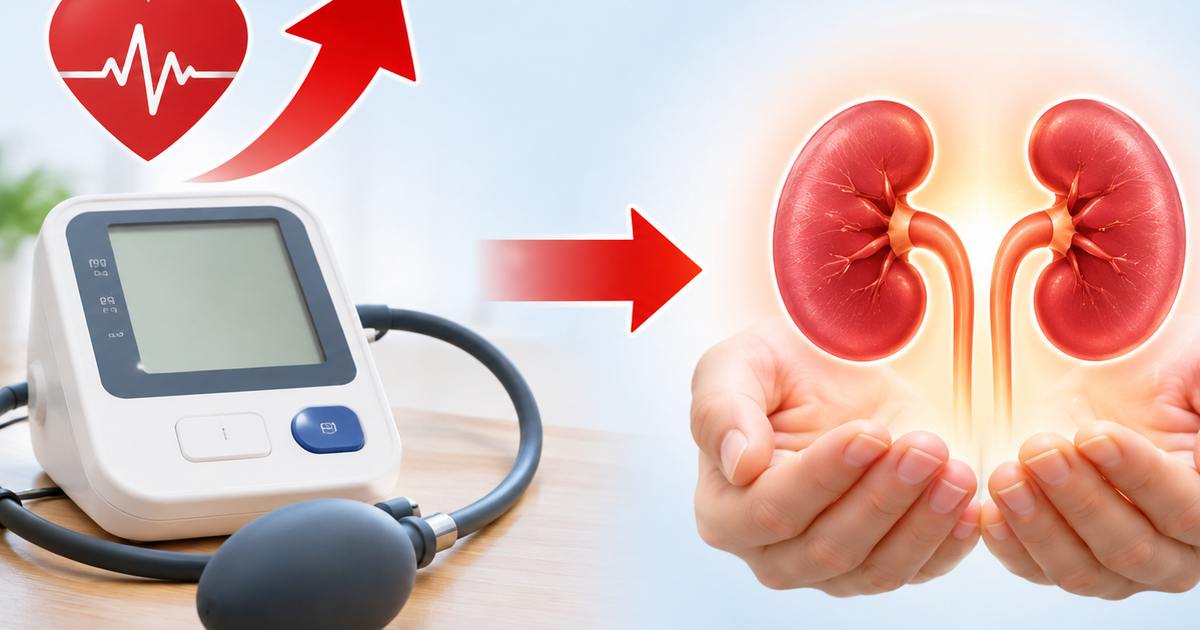
High blood pressure, clinically known as hypertension, stands as the second leading cause of chronic kidney disease (CKD) and end-stage renal disease (ESRD) globally, trailing only diabetes. While the connection between a consistently elevated blood pressure reading and renal decline is well-documented in medical literature, the insidious nature of this relationship often leaves patients unaware of the damage until irreversible physiological changes have occurred. According to recent expert consultations, the progression from hypertension to renal failure is not an overnight event but a long-term, cumulative process that demands proactive screening and rigorous management.
The physiological link between the cardiovascular system and renal health is intricate. The kidneys are not merely filtration units; they serve as sophisticated regulators of blood pressure, managing systemic salt and water balance through complex hormonal feedback loops. When systemic blood pressure remains chronically high, the internal environment of the kidney becomes a battleground of mechanical stress and biochemical dysfunction.
The Pathophysiology of Hypertension-Induced Renal Damage
To understand how hypertension triggers renal failure, one must look at the micro-architecture of the kidney. The kidneys contain millions of microscopic filtration units known as nephrons. Each nephron consists of a glomerulus—a tiny cluster of blood vessels that filters waste from the blood—and a tubule. Hypertension inflicts damage through four primary, interconnected mechanisms.
First, there is the direct impact on the intrarenal vasculature. Sustained high pressure causes the walls of these small arteries to thicken and harden, a process known as arteriolosclerosis. As the vessel walls thicken, the lumen—the space through which blood flows—narrows. This restricted blood flow deprives the renal tissue of essential oxygen and nutrients, leading to gradual ischemia and atrophy of the nephrons.
Second, the structural integrity of the glomerulus is compromised. Under normal conditions, the glomerulus acts as a selective barrier, allowing fluid and waste to pass while retaining vital proteins like albumin. When hypertensive pressure persists, the barometric strain causes the capillary walls to stretch and tear. This allows proteins to leak into the urine, a condition known as proteinuria. Protein, when leaked into the tubules, acts as a toxin, causing further inflammation and scarring, which eventually results in the permanent loss of the filtration unit.
Third, the reduction in the total number of functioning nephrons creates a cascade effect. As the filtration capacity of the kidney diminishes, the body struggles to maintain the delicate balance of fluid and electrolytes. This reduction in the glomerular filtration rate (GFR) serves as the clinical hallmark of advancing chronic kidney disease.
Finally, a dangerous feedback loop emerges. The damaged kidneys, sensing low perfusion due to narrowed vessels, may erroneously activate the renin-angiotensin-aldosterone system (RAAS). This system, intended to raise blood pressure to restore perfusion, actually exacerbates the hypertension, further damaging the renal vessels. This cycle of "hypertension causing kidney disease, and kidney disease worsening hypertension" is a primary driver of the rapid transition to end-stage renal failure.
Clinical Realities and the Silent Progression
A critical concern voiced by medical professionals is the asymptomatic nature of early-stage renal decline. Patients often feel entirely healthy during the initial phases of renal impairment. By the time a patient presents with symptoms such as fluid retention, fatigue, changes in urination patterns, or nausea, the kidney function may already be significantly compromised.
Historically, clinical data suggests that the duration of hypertension is just as critical as the severity of the blood pressure readings. A patient who has lived with uncontrolled hypertension for a decade is at a higher risk of irreversible damage than a patient who has recently developed a hypertensive spike. Furthermore, the presence of comorbidities—most notably diabetes mellitus, cardiovascular disease, or a pre-existing genetic predisposition to renal illness—acts as a force multiplier for damage.
Statistical Context and Public Health Impact
The burden of hypertensive nephropathy is immense. According to the World Health Organization (WHO) and various international renal health registries, approximately 20% to 25% of all new cases of end-stage renal disease are attributed primarily to hypertension. In regions with aging populations and increasing rates of metabolic syndrome, this percentage is projected to rise.
A retrospective analysis of patient cohorts indicates that individuals with systolic blood pressure consistently above 140 mmHg are nearly three times more likely to experience a decline in GFR compared to those with optimal blood pressure (below 120/80 mmHg). The data underscores the necessity of moving beyond reactive treatment—waiting for symptoms to appear—and adopting a model of aggressive, preventative blood pressure control.
Diagnostic Standards and Proactive Management
Because early-stage kidney disease lacks clear external symptoms, medical guidelines emphasize the importance of systematic screening for individuals with known hypertension. The standard diagnostic battery includes:
- Serum Creatinine and GFR Estimation: The most reliable way to assess current kidney function. A declining GFR is the most accurate predictor of CKD progression.
- Urinary Albumin-to-Creatinine Ratio (UACR): This test identifies the presence of albumin in the urine, acting as an "early warning system" for glomerular damage long before creatinine levels deviate from the normal range.
- Renal Ultrasound: Used to assess the physical size and texture of the kidneys, as chronic damage often leads to renal shrinking or scarring.
Experts advise that patients should not wait for visible changes in urine color or frequency before requesting a renal health evaluation. Routine screenings for hypertensive patients should be conducted at least annually, or more frequently if there are indicators of rapidly fluctuating blood pressure or the presence of secondary risk factors like obesity or high salt intake.
The Role of Lifestyle and Therapeutic Intervention
The management of hypertension to prevent renal failure is multifaceted. Pharmacological intervention, particularly the use of ACE inhibitors or Angiotensin II Receptor Blockers (ARBs), is often prioritized because these medications have been shown to provide "renoprotective" effects, helping to reduce the pressure within the glomeruli and lowering proteinuria.
However, medication alone is insufficient. Lifestyle modifications constitute the foundation of treatment:
- Sodium Restriction: High salt intake increases blood volume and elevates pressure, placing direct strain on the renal filtration system.
- Weight Management: Reducing body mass index (BMI) lowers the workload on the heart and reduces the risk of metabolic complications that impact the kidneys.
- Glycemic Control: For patients with comorbid diabetes, keeping blood glucose within a tight target range is essential to preventing the synergistic damage caused by both glucose and pressure.
Conclusion and Future Outlook
The trajectory from high blood pressure to kidney failure is not inevitable, provided that the condition is identified early and managed with scientific rigor. The medical consensus is clear: hypertension is a systemic disease that, if left unchecked, will eventually target the body’s most delicate filtration systems.
Public health initiatives must continue to focus on the "silent" nature of this progression, encouraging patients to view hypertension as a condition that requires long-term commitment rather than sporadic treatment. By shifting the focus from treating symptoms of renal failure to the active, consistent management of vascular pressure, the incidence of end-stage renal disease can be significantly reduced, preserving both the quality of life and the longevity of patients worldwide.
In summary, the correlation between persistent hypertension and renal failure is absolute. With early detection through serum and urine diagnostics, and a disciplined approach to both lifestyle and pharmacological management, the progression toward end-stage disease can be halted or significantly delayed, ensuring that the kidneys remain functional for a lifetime.
Related posts: