Ho Chi Minh City expands public transport capacity as university students return for the new academic year

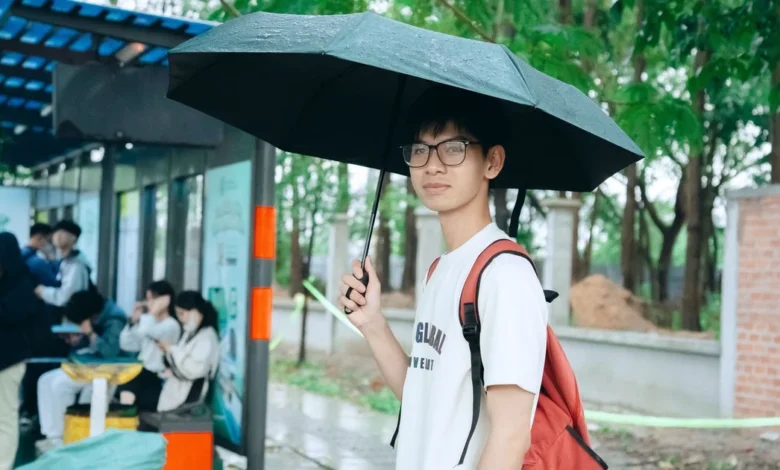
The start of a new academic year in Ho Chi Minh City has historically been synonymous with a sharp surge in transit demand, particularly around the Vietnam National University (VNU-HCM) complex. As tens of thousands of students return from their summer break to the expansive campus located in the city’s Thu Duc area, the municipal government and the Management Center of Public Transport have initiated a strategic expansion of bus services to mitigate the chronic congestion and long wait times that have long plagued the student population.
Effective September 10, the city has officially implemented a comprehensive plan to increase the frequency and capacity of key bus routes serving both Zone A and Zone B of the VNU-HCM dormitories. This move is a direct response to the recurring logistical bottlenecks that occur each September, as the influx of students creates an overwhelming demand that the previous public transport schedules were ill-equipped to handle.
The Scope of Service Adjustments
The primary focus of this transit overhaul centers on two specific lines: Route 8 and Route 170. According to the Management Center of Public Transport, the agency is actively reallocating additional vehicles to Route 8, which provides a critical link through the Zone B dormitory hub. This route is essential for students commuting between their residences and the various academic buildings and functional zones scattered across the massive VNU-HCM campus.
Furthermore, Route 170, which was introduced to the network in 2026 to provide more granular connectivity between the university’s internal departments and nearby districts, has undergone a significant adjustment. The scheduling of this route has been tightened to increase its frequency during the morning peak hours. By concentrating resources during the specific time windows when student attendance is at its highest, the city aims to reduce the "wait-time penalty" that often discourages students from relying on public transit.
Context: The Logistics of a Mega-Campus
The Vietnam National University in Ho Chi Minh City is one of the largest academic institutions in the country, functioning essentially as a self-contained city. The vast distance between dormitories and faculty buildings makes public transport not merely a convenience, but a necessity for student survival.
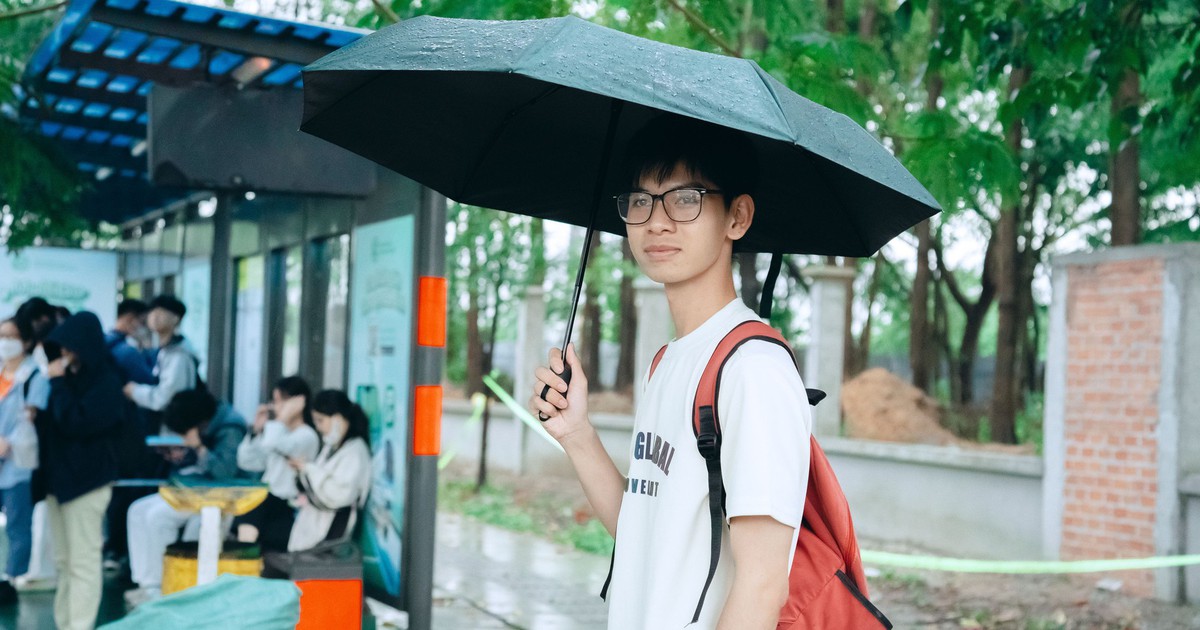
Historically, the beginning of the autumn semester is marked by scenes of students queuing for hours in the rain or under the intense sun, waiting for buses that are often at maximum capacity. The reliance on these specific bus lines is compounded by the fact that many students do not have private motorized vehicles, or they find the traffic surrounding the National Highway 1A and the campus gateways too hazardous to navigate independently.
In 2026, the introduction of specialized shuttle routes was intended to alleviate this pressure. However, the rapid growth in enrollment and the concentration of classes in the early morning hours quickly outpaced the initial service projections. The current decision to increase frequency is the latest attempt to bring supply into equilibrium with the evolving needs of the student body.
Student Perspectives and the Need for Sustainability
For students like Le Minh Quang, a first-year undergraduate at the University of Science (VNU-HCM), the reality of commuting is a major factor in his daily academic performance. "During the first few weeks of the school year, the volume of students is immense," Quang noted. "If there are more buses and increased frequency during peak hours, it will certainly make our commute much easier. My hope is that this isn’t just a temporary fix for the start of the semester, but a sustainable commitment to maintaining reliable transit schedules so we can plan our study hours around our commute."
Van Thanh, a student from the University of Social Sciences and Humanities, echoed these sentiments. He pointed out that the stress of arriving late to class due to transit delays is a common issue that affects morale. "Having more vehicles during the times when we are all heading to class or heading home after a long day is a very practical solution. It transforms the bus from a last-resort option into a reliable component of our daily routine."
Official Strategy and Future Monitoring
The Management Center of Public Transport has stated that the current deployment of resources is part of a flexible, adaptive strategy. The agency will be working in close collaboration with the VNU-HCM administration to monitor passenger flow and the performance of these routes in real-time.
This data-driven approach is intended to allow for rapid adjustments. If passenger volume continues to spike beyond current expectations, the center has confirmed it has reserve vehicles standing by. "We are prepared to make additional, targeted adjustments whenever we see a surge in demand," an official spokesperson stated. "Our objective is to ensure that the transport system remains responsive, particularly during the critical first month of the academic year when travel patterns are being established."

Broader Implications for Urban Mobility
The situation at VNU-HCM serves as a microcosm for the broader challenges of urban mobility in Ho Chi Minh City. The city is currently navigating the complexities of transitioning its youth population away from individual motorbike ownership toward a more integrated public transport network. Success in these high-density student areas is seen as a bellwether for the city’s wider transit goals.
If the city can successfully normalize the use of bus transport among university students, it is likely to create a lasting behavioral change. Students who become accustomed to the convenience and reliability of the bus network are more likely to utilize these systems after graduation, contributing to a long-term reduction in the number of private vehicles on the city’s already congested arterial roads.
However, the success of this program will depend on more than just the number of buses on the road. Infrastructure, such as improved bus shelters, clearer digital signage, and protected lanes, will be necessary to ensure that the increased frequency translates into a high-quality user experience.
Timeline of Transit Developments
The following timeline highlights the progression of transit efforts within the VNU-HCM zone:
- Pre-2026: Limited bus service with high overcrowding; heavy reliance on motorcycles and informal transport.
- Early 2026: Introduction of Route 170 to provide specialized connectivity between university zones.
- September 2026: First major assessment of student transit needs following the opening of new dormitory blocks.
- September 9, 2026: Announcement of the current expansion plan to address the start-of-semester crush.
- September 10, 2026: Official commencement of the increased frequency and vehicle reallocation.
Analysis of Service Efficiency
By focusing on peak hours, the Management Center is utilizing a "demand-responsive" model. This is fiscally responsible, as it avoids the inefficiency of running empty buses during low-traffic periods while ensuring that resources are maximized when the necessity is greatest.
Furthermore, the integration of student feedback into the scheduling process is a positive development in public administration. By allowing the end-users to highlight the most critical gaps in service, the transport authority is better positioned to optimize its limited fleet.

However, the effectiveness of this plan will ultimately be judged by the wait times recorded during the next two weeks. If the lines at the major terminals remain long despite the increased frequency, it may suggest that the current bus fleet is insufficient to handle the absolute volume of students, necessitating either an investment in more buses or the introduction of a high-capacity rapid transit solution.
Conclusion
The expansion of bus services for the students of VNU-HCM is a welcome and necessary intervention. It reflects a proactive approach to one of the most predictable pressure points in the city’s annual calendar. By prioritizing the mobility of students, the city is not only solving an immediate logistical problem but is also investing in the productivity and well-being of the next generation of professionals.
As the program moves into its second week of operation, the focus must remain on consistent monitoring and the willingness to pivot. The authorities have taken the right first step; the challenge now lies in the sustained execution of these services to ensure that the promise of a more efficient commute becomes a reality for every student in the system. As the academic year progresses, the data collected from these routes will provide invaluable insights for future planning, potentially serving as a model for other high-density education hubs across Vietnam.